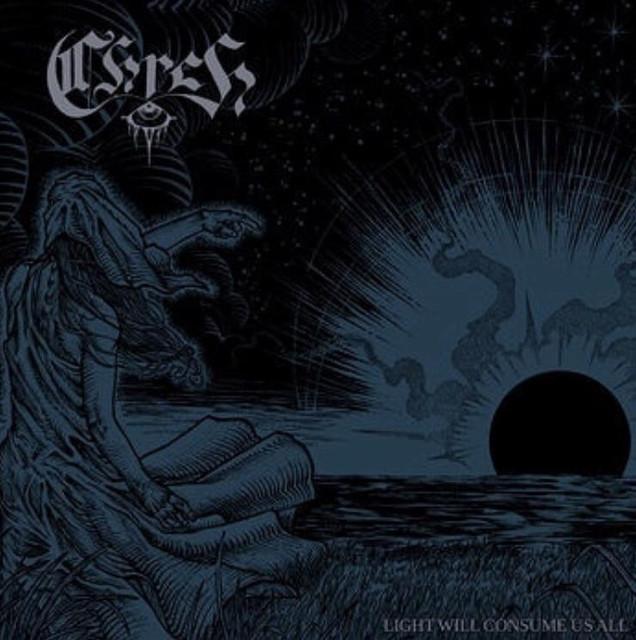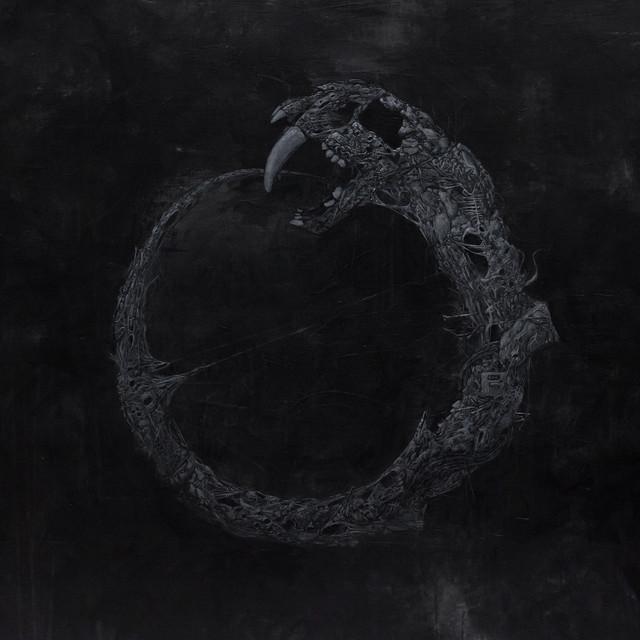
Coffinworm

Metal
Doom/Sludge Metal
Black Metal
 Viberate Rank: 286720
 Viberate Rank: 286720
 Monthly ListenersFollowers
 Subscribers
 Followers
 Followers
 FansTop Spotify Songs
| Track | 7-Day Streams | |
|---|---|---|
1 | 349 | |
2 | 231 | |
3 | 214 | |
4 | 128 | |
5 | 93 |
Top YouTube VideosMonthly ListenersFeatured in Playlists| Playlist | Followers | |
|---|---|---|
1 |  Ultimate Sludge Metal Loudwire | 30.11K |
2 |  The Sound of Sludge Metal The Sounds of Spotify | 7.44K |
3 |  The Heaviest Doom/Sludge/Drone Metal 𝕰𝖒𝖕𝖊𝖎𝖗í𝖆_𝕬𝖇𝖆𝖉𝖉𝖔𝖓 | 5.41K |
4 |  The Sound of Drone Metal The Sounds of Spotify | 4.21K |
5 |  Stoner, Sludge & Doom Metal blaatz0r | 4.21K |
Audience| City | Monthly Listeners | |
|---|---|---|
1 |  | 36 |
2 | | 33 |
3 | | 30 |
4 | | 26 |
5 | | 22 |
See full performance history, audience data, playlist activity, rankings, comparisons, and more in Viberate music analytics. Start with a free trial, then continue with a paid plan.
Coffinworm’s Spotify BioCoffinworm was formed under watchful eye of Choronzon in late 2007. The ‘Great Bringer of Night’ demo was recorded by Bob Fouts in late 2008/early 2009 and led to an alliance with Profound Lore Records shortly afterwards.
In December of 2009 the band entered Semaphore Studios, Chicago, to record the ‘When All Became None’ full-length with Sanford Parker (Unearthly Trance, Indian, Lord Mantis, Yob), released in April 2010.
Summer 2010 saw a lineup change with the departure of Tony McGuire, Carl Byers moving from drums to guitar, and longtime friend (and artist behind the ‘When All Became None’ album artwork) Josh Shrontz stepping in to complete the circle behind the drum kit. Late summer saw the vinyl release of ‘When All Became None’ on Seventh Rule Recordings.
In May 2012 an expanded version of ‘Great Bringer of Night’ was remastered by James Plotkin (Khanate, Sunn 0))), ILSA, Bongripper) and released on vinyl by Flenser Records. A split 7” with Ohio doom/sludge institution Fistula… followed, released in July 2012 on Hell Comes Home Records. September 2012 saw the band playing The Power of the Riff East festival in Brooklyn, NY alongside Repulsion, Winter, and Sunn 0))).
The band entered Earth Analog Studios in September 2013 to record their second album, ‘IV.I.VIII’, with Sanford Parker at the helm once again. The artwork/layout was created by Scott Shellhamer (Buried at Sea). ‘IV.I.VIII’ was released on CD by Profound Lore Records on March 18, 2014.
Viberate is a music analytics platform built for A&Rs, artist managers, labels, booking agents, marketers, and artists.
It helps music professionals track artist growth, analyze audience data, monitor playlist activity, compare artists, follow song performance, and identify opportunities across the music market.
Public artist pages provide a free preview of selected artist data. Paid plans provide access to deeper analytics, historical data, charts, comparisons, playlist tools, exports, alerts, reports, and additional professional features.
Yes. Public Viberate artist pages provide selected artist analytics and music data for free.
Viberate also offers a 7-day free trial of the full platform. A credit card is required to start the trial. The trial includes access to the complete product so users can test deeper artist analytics, historical views, playlist insights, comparisons, charts, exports, alerts, and reporting features before choosing a paid plan.
Viberate provides artist analytics across streaming, playlists, social media, video, radio airplay, songs, and audience markets.
Users can analyze Spotify performance, Spotify and Apple Music playlists, YouTube activity, TikTok and Instagram growth, radio spins, song performance, audience locations, demographics, rankings, and overall artist momentum.
Artist profiles also connect to music charts, similar artists, and comparison tools, helping users benchmark performance and evaluate artists in context.
Viberate updates key artist and track data daily.
For followed artists and tracks, selected data is refreshed multiple times per day. This helps teams monitor playlist changes, streaming movement, audience growth, releases, and campaign performance with more current data.
Update frequency can vary depending on the metric and data source.
Yes. Viberate lets users compare up to five artists side by side across streaming, social media, audience, and engagement metrics.
Users can compare fanbase growth, audience demographics, locations, Spotify performance, social metrics, and other artist data over selected time periods.
Artist comparison can be used for A&R scouting, benchmarking, booking decisions, campaign planning, and evaluating artists with similar audiences or market positions.