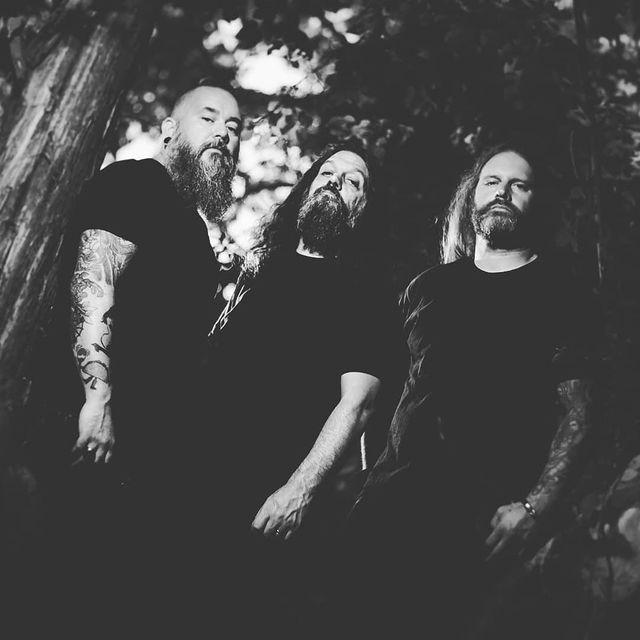
Warhorse

Metal
Doom/Sludge Metal
 Viberate Rank: 393141
 Viberate Rank: 393141
 Monthly ListenersFollowers
 Subscribers
 Followers
 Followers
 FansTop Spotify Songs
| Track | 7-Day Streams | |
|---|---|---|
1 | 471 | |
2 | 272 | |
3 | 210 | |
4 | 155 | |
5 | 106 |
Top YouTube VideosMonthly ListenersFeatured in Playlists| Playlist | Followers | |
|---|---|---|
1 |  Ultimate Sludge Metal Loudwire | 30.13K |
2 |  Stoner Metal The Brick | 21.41K |
3 |  The Heaviest Doom/Sludge/Drone Metal 𝕰𝖒𝖕𝖊𝖎𝖗í𝖆_𝕬𝖇𝖆𝖉𝖉𝖔𝖓 | 5.41K |
4 | Southern Lord | Doom southernlordrecords | 1.69K |
5 | Sludge and doom metal Custard | 1.42K |
Audience| City | Monthly Listeners | |
|---|---|---|
1 | | 34 |
2 | | 27 |
3 |  | 26 |
4 |  | 26 |
5 | | 23 |
See full performance history, audience data, playlist activity, rankings, comparisons, and more in Viberate music analytics. Start with a free trial, then continue with a paid plan.
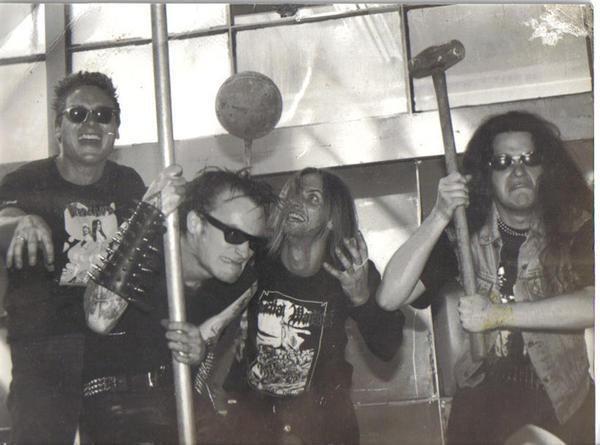
Warhorse’s Spotify BioHailing from Worcester, MA, Warhorse (not to be confused with the second-tier '70s supergroup featuring one-time Deep Purple bassist Nick Simper) was formed by Jerry Orne (bass/vocals) and Mike Hubbard (drums) in 1992. Having performed with a number of local death metal bands, the duo originally pursued a slower, more traditional style of heavy metal somewhere between Black Sabbath and sludge kings Crowbar. They soon found their calling in the doom metal scene, which by the mid-'90s had begun to coalesce around bands like Cathedral, Sleep, and Electric Wizard. Krista Van Guilder (guitars/vocals) joined the group in time for their self-financed 1998 self-titled debut, but was soon replaced by guitarist Todd Laskowski. After finding a home with the Southern Lord label, the trio returned to action in January 2001, releasing the grinding, doom metal masterpiece As Heaven Turns to Ash..., as serious a challenge to doom Gods Electric Wizard as the U.S. has managed to produce. ~ Eduardo… Rivadavia, Rovi
Viberate is a music analytics platform built for A&Rs, artist managers, labels, booking agents, marketers, and artists.
It helps music professionals track artist growth, analyze audience data, monitor playlist activity, compare artists, follow song performance, and identify opportunities across the music market.
Public artist pages provide a free preview of selected artist data. Paid plans provide access to deeper analytics, historical data, charts, comparisons, playlist tools, exports, alerts, reports, and additional professional features.
Yes. Public Viberate artist pages provide selected artist analytics and music data for free.
Viberate also offers a 7-day free trial of the full platform. A credit card is required to start the trial. The trial includes access to the complete product so users can test deeper artist analytics, historical views, playlist insights, comparisons, charts, exports, alerts, and reporting features before choosing a paid plan.
Viberate provides artist analytics across streaming, playlists, social media, video, radio airplay, songs, and audience markets.
Users can analyze Spotify performance, Spotify and Apple Music playlists, YouTube activity, TikTok and Instagram growth, radio spins, song performance, audience locations, demographics, rankings, and overall artist momentum.
Artist profiles also connect to music charts, similar artists, and comparison tools, helping users benchmark performance and evaluate artists in context.
Viberate updates key artist and track data daily.
For followed artists and tracks, selected data is refreshed multiple times per day. This helps teams monitor playlist changes, streaming movement, audience growth, releases, and campaign performance with more current data.
Update frequency can vary depending on the metric and data source.
Yes. Viberate lets users compare up to five artists side by side across streaming, social media, audience, and engagement metrics.
Users can compare fanbase growth, audience demographics, locations, Spotify performance, social metrics, and other artist data over selected time periods.
Artist comparison can be used for A&R scouting, benchmarking, booking decisions, campaign planning, and evaluating artists with similar audiences or market positions.