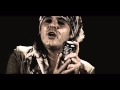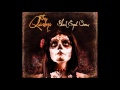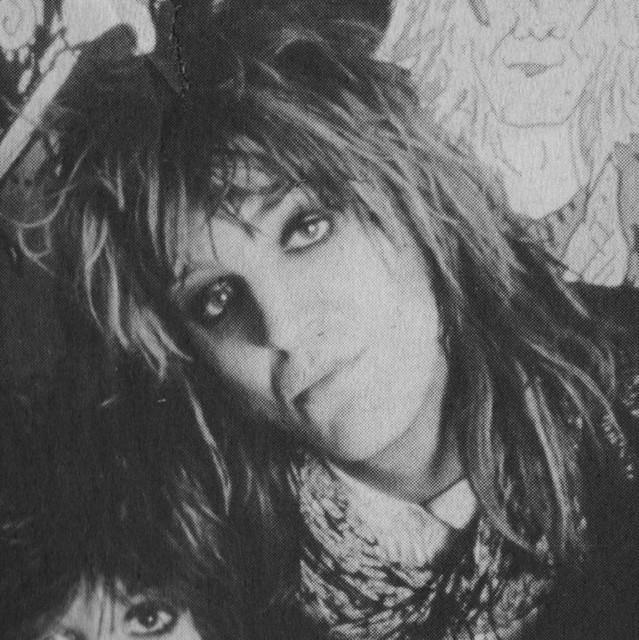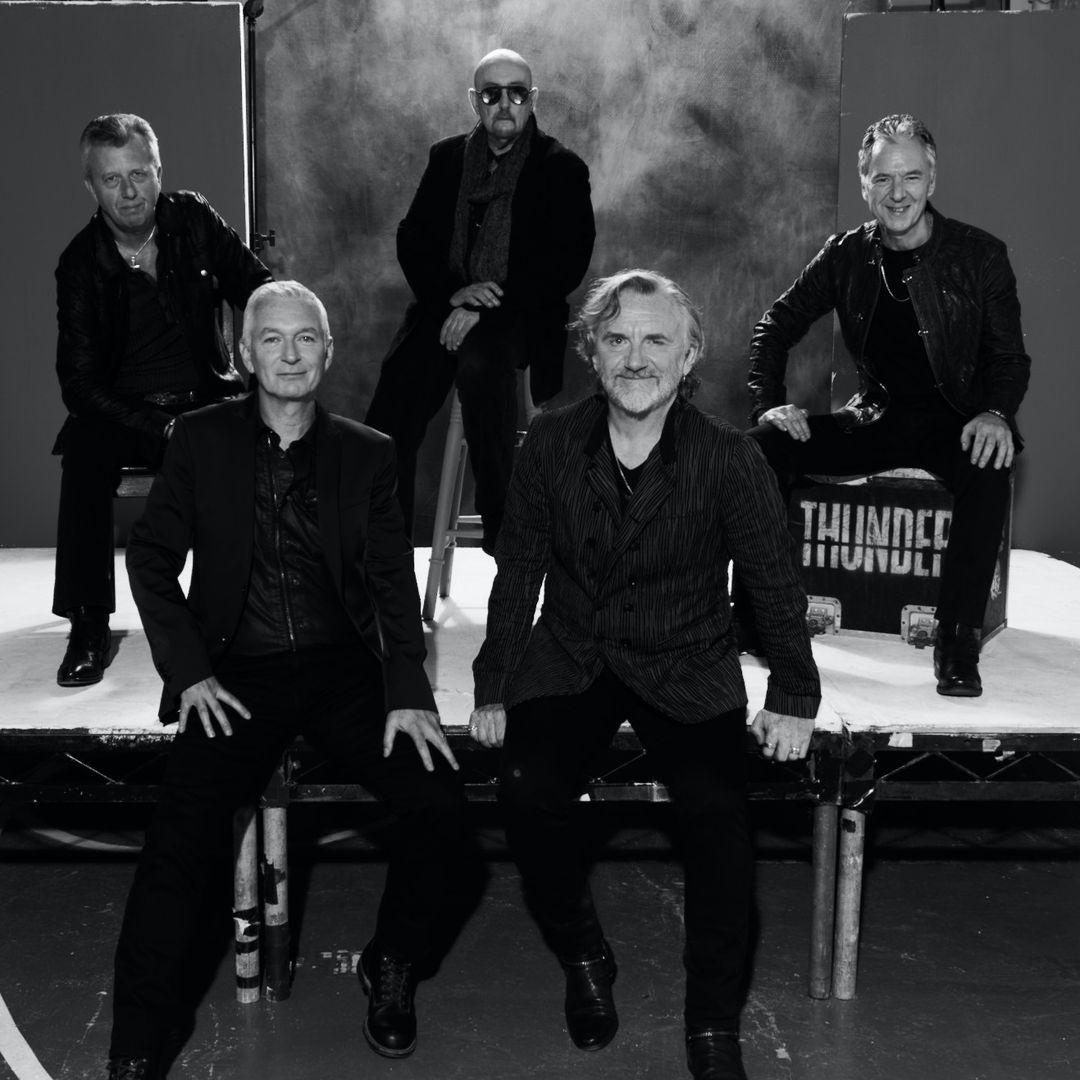
The Quireboys

Rock
Alternative Rock
Glam Metal
Blues Rock
 Viberate Rank: 89575
 Viberate Rank: 89575
 Monthly ListenersFollowers
 Subscribers
 Followers
 Followers
 FansTop Spotify Songs
| Track | 7-Day Streams | |
|---|---|---|
1 | 19.00K | |
2 | 12.67K | |
3 | 7.13K | |
4 | 3.33K | |
5 | 2.28K |
Top YouTube VideosMonthly ListenersFeatured in Playlists| Playlist | Followers | |
|---|---|---|
1 |  Peacemaker Official Playlist James Gunn | 220.24K |
2 |  Boogie Rock Spotify | 189.11K |
3 | GRUNGE zerubi | 80.90K |
4 |  Now 1 - 114 (1983 - 2023) Now That's What I Call Music 1 - 114 abundantmusic | 56.69K |
5 |  80’s Hair Metal & Rock halun1 | 40.35K |
Audience| City | Monthly Listeners | |
|---|---|---|
1 | | 1.77K |
2 |  | 1.40K |
3 | | 1.05K |
4 | | 1.04K |
5 |  | 990 |
See full performance history, audience data, playlist activity, rankings, comparisons, and more in Viberate music analytics. Start with a free trial, then continue with a paid plan.
The Quireboys’ Spotify BioEnglish rockers the Quireboys pair bluesy, glam-kissed hard rock with the raucous barroom swagger of the Faces and Rod Stewart. Emerging in the mid-'80s, the band operated under the controversy-baiting moniker the Queerboys before settling on the Quireboys and releasing their gold-selling debut, A Bit of What You Fancy, in 1990. The band ceased operations three years later but re-formed in 2001 with a re-tooled lineup and issued the LP This Is Rock'n'Roll. A post-millennial bump in popularity helped push subsequent efforts Black Eyed Sons (2014) and White Trash Blues (2017), onto the U.K. indie charts. the group splintered into two camps ahead of the release of their 13th full-length effort, The Band Rolls On…
Led by vocalist Spike Gray and guitarist Guy Bailey, the Queerboys [sic] were rounded out by bassist Nigel Mogg (the nephew of bassist Pete Way of UFO fame) and Paul Hornby on drums. Hornby quickly split to form future U.K. underground darlings the Dogs D'Amour with frontman Tyla.… By 1987, the Queerboys had changed their name to the more consumer-friendly Quireboys and had added keyboardist Chris Johnstone, guitarist Ginger, and a drummer by the name of Coze to the fold. In 1988, they recorded "Mayfair," an eventual live favorite, and "There She Goes Again" as a pair of singles for EMI's U.K. imprint Survival Records. By 1990, Ginger had been fired (he would go on to form the critically acclaimed the Wildhearts), and after bringing in new drummer Ian Wallace, the Quireboys signed to EMI proper and recorded a potent debut entitled A Bit of What You Fancy. The band made no bones about hiding their influences -- they didn't even try. The spirit of Rod Stewart, Ron Wood, and the Faces was well and alive on songs like "Sex Party," the gentle "Sweet Mary Ann," and especially the barroom rocker "7 O'clock."
Released to considerable worldwide success, A Bit of What You Fancy would yield four huge singles outside the U.S.: "Hey You," "7 O'clock," "I Don't Love You Anymore," and "There She Goes Again." When it came time for its stateside release, the band, who had by now become bona fide rock stars and media darlings back home, had their name tweaked to the London Quireboys by EMI's U.S. parent company Capitol. With powerhouse manager Sharon Osbourne on board, A Bit of What You Fancy initially met with an enthusiastic response in the States and things looked bright as the band embarked on their first U.S. tour. The onset of grunge and alternative music halted their commercial momentum, but the band powered through, releasing Bitter Sweet & Twisted, their sophomore effort, in 1993. Produced by Bob Rock, the album featured 14 tracks that, for the most part, lacked the spirit of the band's debut. Originally intended as a double album, many leftovers existed and remained in the vaults from these sessions. Having had the wind knocked out of them, the group disbanded after a bout of European touring. Post-breakup, 1994 saw the release of From Tooting to Barking, a Castle Communications collection of primitive Queerboys demos.
After the Quireboys' demise, the band's ex-members embarked on a seemingly endless parade of side projects starting with bass player Nigel Mogg and guitarist Guy Griffin, who joined forces on an L.A.-based side project by the name of Blood from a Stone. The band quickly splintered and Mogg moved to New York to help form the much-touted Nancy Boy, featuring Donovan Leitch on vocals. Signed by legendary music maven Seymour Stein, the act released a 1996 self-titled album on Elektra. As for Gray, the singer would eventually be offered the vocalist slot in Slash's Snakepit, but declined, choosing instead to form the short-lived God's Hotel.
After putting together a 1994 cassette-only blues effort with Darrell Bath (Take Out Some Insurance), the singer resurrected the Quireboys one more time for a 1995 live gig at the Newcastle Mayfair in tribute to his father, who had recently passed away. For the one-off, the shoes of Nigel Mogg and Guy Griffin were filled by various members of the Almighty and Honeycrack. In 2001, the band officially re-formed under Gray and Griffin, releasing the live album Lost in Space as well as their third LP, the well-received This Is Rock 'n' Roll. The album peaked just outside the Top 100 on the Billboard album chart. They followed with workmanlike Well Oiled (2004), Homewreckers & Heartbreakers (2008), and Halfpenny Dancer (2009). In 2010, the Quireboys joined Joe Elliott (Def Leppard) to record as Down 'n' Outz, touring with Paul Rodgers the following year.
Their seventh studio LP, Beautiful Curse, was issued in 2013. The album's arrival kicked off a steady schedule of releases, including the U.K.-charting Black Eyed Sons and White Trash Blues, carrying the Quireboys into 2017. The band's energetic 12th studio album, Amazing Disgrace, appeared in 2019 and included the streaming hit "Seven Deadly Sins." In 2022, the Quireboys announced that longtime frontman Spike Gray had been sacked. They elected to carry on with Guy Griffin behind the mike. Spike, who shares legal ownership of the Quireboys name, recruited original members Guy Bailey and Nigel Mogg to form his own Quireboys offshoot. The Spike-led iteration issued a holiday single ("Merry Christmas & A Happy New Year" and "Christmas Day) later that year, while Griffin's Quireboys released "Lie to Me" ahead of the arrival of the forthcoming full-length, The Band Rolls On… Spike and Bailey collaborated on new material before the latter's death on April 7, 2023. ~ John Franck & James Christopher Monger, Rovi
Viberate is a music analytics platform built for A&Rs, artist managers, labels, booking agents, marketers, and artists.
It helps music professionals track artist growth, analyze audience data, monitor playlist activity, compare artists, follow song performance, and identify opportunities across the music market.
Public artist pages provide a free preview of selected artist data. Paid plans provide access to deeper analytics, historical data, charts, comparisons, playlist tools, exports, alerts, reports, and additional professional features.
Yes. Public Viberate artist pages provide selected artist analytics and music data for free.
Viberate also offers a 7-day free trial of the full platform. A credit card is required to start the trial. The trial includes access to the complete product so users can test deeper artist analytics, historical views, playlist insights, comparisons, charts, exports, alerts, and reporting features before choosing a paid plan.
Viberate provides artist analytics across streaming, playlists, social media, video, radio airplay, songs, and audience markets.
Users can analyze Spotify performance, Spotify and Apple Music playlists, YouTube activity, TikTok and Instagram growth, radio spins, song performance, audience locations, demographics, rankings, and overall artist momentum.
Artist profiles also connect to music charts, similar artists, and comparison tools, helping users benchmark performance and evaluate artists in context.
Viberate updates key artist and track data daily.
For followed artists and tracks, selected data is refreshed multiple times per day. This helps teams monitor playlist changes, streaming movement, audience growth, releases, and campaign performance with more current data.
Update frequency can vary depending on the metric and data source.
Yes. Viberate lets users compare up to five artists side by side across streaming, social media, audience, and engagement metrics.
Users can compare fanbase growth, audience demographics, locations, Spotify performance, social metrics, and other artist data over selected time periods.
Artist comparison can be used for A&R scouting, benchmarking, booking decisions, campaign planning, and evaluating artists with similar audiences or market positions.