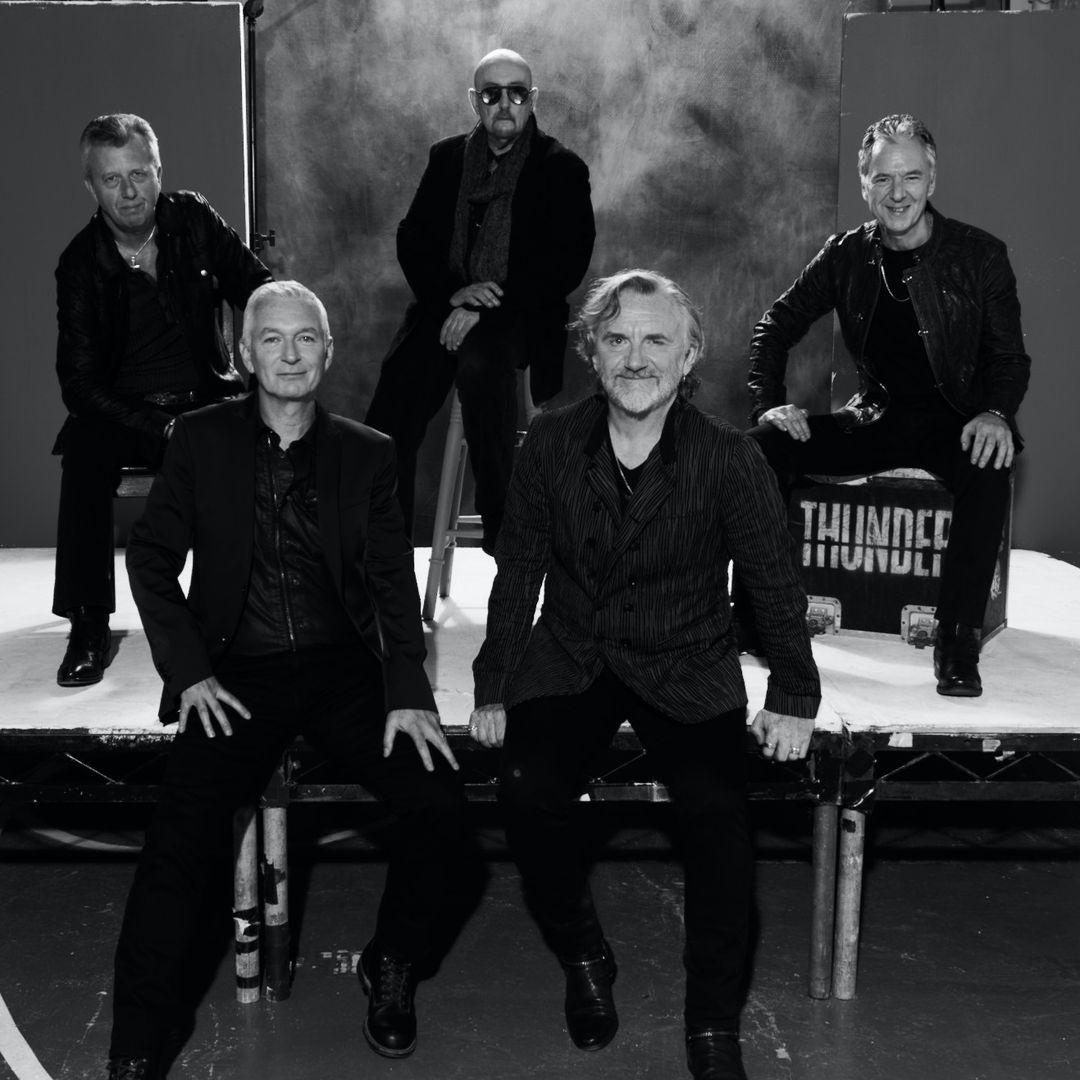
Thunder

Rock
Hard Rock
Glam Metal
 Viberate Rank: 50095
 Viberate Rank: 50095
 Monthly ListenersFollowers
 Subscribers
 Followers
 Followers
 FansTop Spotify Songs
| Track | 7-Day Streams | |
|---|---|---|
1 | 39.38K | |
2 | 11.02K | |
3 | 6.50K | |
4 | 6.26K | |
5 | 5.05K |
Top YouTube VideosMonthly ListenersFeatured in Playlists| Playlist | Followers | |
|---|---|---|
1 |  Rock Power Ballads Spotify | 1.25M |
2 |  80s Power Ballads Chris Brough | 126.83K |
3 | Top 100 Power Ballads Fredrik Svensson | 67.70K |
4 |  80's Hair Bands Greatest Hits Bob Sheridan | 64.07K |
5 |  Now 1 - 114 (1983 - 2023) Now That's What I Call Music 1 - 114 abundantmusic | 56.69K |
Audience| City | Monthly Listeners | |
|---|---|---|
1 | | 5.47K |
2 | | 3.99K |
3 | | 2.26K |
4 |  | 2.24K |
5 |  | 2.07K |
See full performance history, audience data, playlist activity, rankings, comparisons, and more in Viberate music analytics. Start with a free trial, then continue with a paid plan.
Thunder’s Spotify BioVocalist Danny Bowes and lead guitarist Luke Morley first played together when they were 15-year-old classmates in London. The two later formed the band Terraplane and released two albums but broke up in 1988. Bowes, Morley, and drummer Gary "Harry" James then formed Thunder, recruiting bassist Mark "Snake" Luckhurst and rhythm guitarist Ben Matthews.
The group's first two singles both hit the U.K. Top 40 and earned Thunder a support slot for Aerosmith and a gig at the 1990 Monsters of Rock Festival. Backstreet Symphony, released a year-and-a-half after the group's live debut, reached the U.K.'s Top 20 and was certified gold. The follow-up, Laughing on Judgement Day, appeared in 1992, followed three years later by Behind Closed Doors. Their fourth full-length album, the radio-ready Thrill of It All, arrived in 1996. A series of live recordings and compilations peppered the next five to seven years, followed by the arrival of 2003's Shooting at the Sun on Frontiers Records. The year 2005… saw the Frontiers label release Magnificent Seventh!, followed by Robert Johnson's Tombstone in 2006. The next year, Thunder embarked on their first European tour in 12 years, and in 2008 they issued their ninth studio long-player, Bang!
Citing "outside interests," Thunder disbanded in 2009, and the members became involved with various other projects. They reunited for a one-off live performance in 2011, and spent the ensuing years keeping the project going with the occasional live show. In 2014, the band announced the impending arrival of a new studio album. The resulting Wonder Days arrived in February of the next year. Thunder followed up the album with the release of All You Can Eat, which documented the story of Wonder Days with a short film and two live recordings (one of which was in-studio). In 2017, the group put out its 11th studio effort Rip It Up. While on tour in support of the album, Thunder recorded a live show at Cardiff's Motorpoint Arena. The result, Stage -- which featured tracks from their vast back catalog -- was issued in early 2018. The group returned in 2019 with their 12th album, Please Remain Seated. Inspired by their reworking of the single "Love Walked In" -- which was the B-side of their 2017 Christmas single -- the group took tracks from their back catalog and gave them a full overhaul, with some of the songs sounding radically different than their originals. Celebrating 30 years in the industry, the group also issued the career-spanning album Greatest Hits that same year. In March 2021, they released their 13th album, All the Right Noises. Pushed back six months by COVID-19, it saw a return to their classic, hard-driving sound. ~ John Bush, Rovi
Viberate is a music analytics platform built for A&Rs, artist managers, labels, booking agents, marketers, and artists.
It helps music professionals track artist growth, analyze audience data, monitor playlist activity, compare artists, follow song performance, and identify opportunities across the music market.
Public artist pages provide a free preview of selected artist data. Paid plans provide access to deeper analytics, historical data, charts, comparisons, playlist tools, exports, alerts, reports, and additional professional features.
Yes. Public Viberate artist pages provide selected artist analytics and music data for free.
Viberate also offers a 7-day free trial of the full platform. A credit card is required to start the trial. The trial includes access to the complete product so users can test deeper artist analytics, historical views, playlist insights, comparisons, charts, exports, alerts, and reporting features before choosing a paid plan.
Viberate provides artist analytics across streaming, playlists, social media, video, radio airplay, songs, and audience markets.
Users can analyze Spotify performance, Spotify and Apple Music playlists, YouTube activity, TikTok and Instagram growth, radio spins, song performance, audience locations, demographics, rankings, and overall artist momentum.
Artist profiles also connect to music charts, similar artists, and comparison tools, helping users benchmark performance and evaluate artists in context.
Viberate updates key artist and track data daily.
For followed artists and tracks, selected data is refreshed multiple times per day. This helps teams monitor playlist changes, streaming movement, audience growth, releases, and campaign performance with more current data.
Update frequency can vary depending on the metric and data source.
Yes. Viberate lets users compare up to five artists side by side across streaming, social media, audience, and engagement metrics.
Users can compare fanbase growth, audience demographics, locations, Spotify performance, social metrics, and other artist data over selected time periods.
Artist comparison can be used for A&R scouting, benchmarking, booking decisions, campaign planning, and evaluating artists with similar audiences or market positions.