Faster Pussycat

Rock
Hard Rock
Glam Metal
 Viberate Rank: 37792
 Viberate Rank: 37792
 Monthly ListenersFollowers
 Subscribers
 Followers
 Followers
 FansTop Spotify Songs
| Track | 7-Day Streams | |
|---|---|---|
1 | 82.55K | |
2 | 11.46K | |
3 | 11.21K | |
4 | 8.16K | |
5 | 7.39K |
Top YouTube Videos| Video | 7-Day Views | |
|---|---|---|
1 | 47.44K | |
2 | 4.92K | |
3 | 3.02K | |
4 | 2.87K | |
5 | 2.63K |
Monthly ListenersFeatured in Playlists| Playlist | Followers | |
|---|---|---|
1 |  80s Hard Rock Spotify | 2.35M |
2 |  Rock Power Ballads Spotify | 1.25M |
3 |  Supernatural Soundtrack [All Seasons] Solitude Collective | 507.85K |
4 |  Peacemaker Official Playlist James Gunn | 220.26K |
5 |  Dean Winchester's Impala Playlist Ekin | 161.83K |
Audience| City | Monthly Listeners | |
|---|---|---|
1 | | 3.73K |
2 | | 3.66K |
3 |  | 3.19K |
4 | | 2.85K |
5 |  | 2.78K |
See full performance history, audience data, playlist activity, rankings, comparisons, and more in Viberate music analytics. Start with a free trial, then continue with a paid plan.
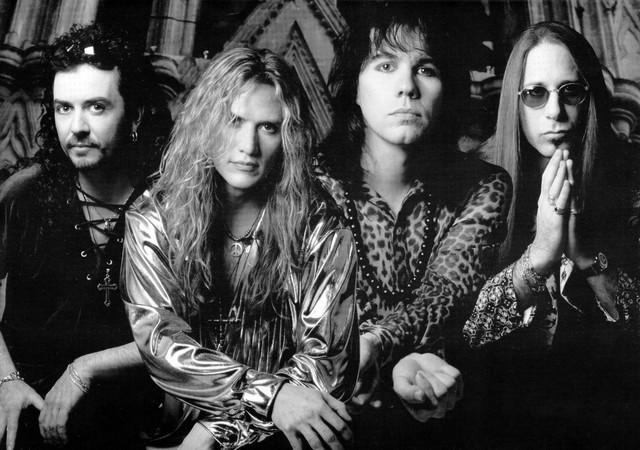
Faster Pussycat’s Spotify BioSleazy Hollywood metal band Faster Pussycat (whose name was lifted from a Russ Meyer flick) released their first album in 1987 and peaked commercially two years later with the gold album Wake Me When It's Over and the Top 40 single "House of Pain." Although their next album, 1992's Whipped, hit number 90 on the charts, it fell off quickly; with the alternative rock explosion, the hard rock audience had changed and had no patience for Faster Pussycat's trashy glam metal. After the group's split, singer Taime Downe formed the industrial-goth outfit the Newlydeads (along with a former member of another former L.A. glam pop outfit, Bang Tango's Kyle Kyle), issuing three albums -- 1997's self-titled debut, 1999's remix collection Re-Bound, and 2001's Dead End. With America experiencing a resurging interest in '80s glam pop by the early 21st century, Faster Pussycat reunited for a tour. But instead of an album of all new material coinciding with the tour, a collection of old tracks remade as… techno remixes was issued, entitled Between the Valley of the Ultra Pussy (Downe was the only member of the band to have any input with the project). The band's first ever live release, Front Row for the Donkey Show, arrived in 2009. ~ John Book & Greg Prato, Rovi
Viberate is a music analytics platform built for A&Rs, artist managers, labels, booking agents, marketers, and artists.
It helps music professionals track artist growth, analyze audience data, monitor playlist activity, compare artists, follow song performance, and identify opportunities across the music market.
Public artist pages provide a free preview of selected artist data. Paid plans provide access to deeper analytics, historical data, charts, comparisons, playlist tools, exports, alerts, reports, and additional professional features.
Yes. Public Viberate artist pages provide selected artist analytics and music data for free.
Viberate also offers a 7-day free trial of the full platform. A credit card is required to start the trial. The trial includes access to the complete product so users can test deeper artist analytics, historical views, playlist insights, comparisons, charts, exports, alerts, and reporting features before choosing a paid plan.
Viberate provides artist analytics across streaming, playlists, social media, video, radio airplay, songs, and audience markets.
Users can analyze Spotify performance, Spotify and Apple Music playlists, YouTube activity, TikTok and Instagram growth, radio spins, song performance, audience locations, demographics, rankings, and overall artist momentum.
Artist profiles also connect to music charts, similar artists, and comparison tools, helping users benchmark performance and evaluate artists in context.
Viberate updates key artist and track data daily.
For followed artists and tracks, selected data is refreshed multiple times per day. This helps teams monitor playlist changes, streaming movement, audience growth, releases, and campaign performance with more current data.
Update frequency can vary depending on the metric and data source.
Yes. Viberate lets users compare up to five artists side by side across streaming, social media, audience, and engagement metrics.
Users can compare fanbase growth, audience demographics, locations, Spotify performance, social metrics, and other artist data over selected time periods.
Artist comparison can be used for A&R scouting, benchmarking, booking decisions, campaign planning, and evaluating artists with similar audiences or market positions.