Pretty Boy Floyd

Rock
Hard Rock
Glam Metal
 Viberate Rank: 103954
 Viberate Rank: 103954
 Monthly ListenersFollowers
 Subscribers
 Followers
 Followers
 FansTop Spotify Songs
| Track | 7-Day Streams | |
|---|---|---|
1 | 5.90K | |
2 | 3.03K | |
3 | 2.28K | |
4 | 894 | |
5 | 855 |
Top YouTube Videos| Video | 7-Day Views | |
|---|---|---|
1 | 851 | |
2 | 6 | |
3 | 5 |
Monthly ListenersFeatured in Playlists| Playlist | Followers | |
|---|---|---|
1 |  Peacemaker Official Playlist James Gunn | 220.24K |
2 |  80's Hair Bands Greatest Hits Bob Sheridan | 64.07K |
3 | Glam Rock Hits of the 8O's Mats Mazze Wallin | 62.24K |
4 | 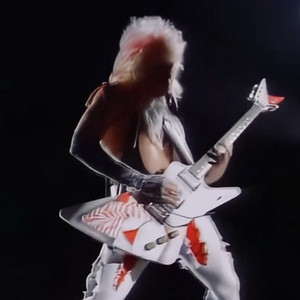 80’s Hair Metal & Rock halun1 | 40.35K |
5 |  Peacemaker Season 2 Soundtrack 2025 Sebastián Galaviz | 30.62K |
Audience| City | Monthly Listeners | |
|---|---|---|
1 |  | 419 |
2 |  | 308 |
3 | | 294 |
4 |  | 279 |
5 |  | 252 |
See full performance history, audience data, playlist activity, rankings, comparisons, and more in Viberate music analytics. Start with a free trial, then continue with a paid plan.
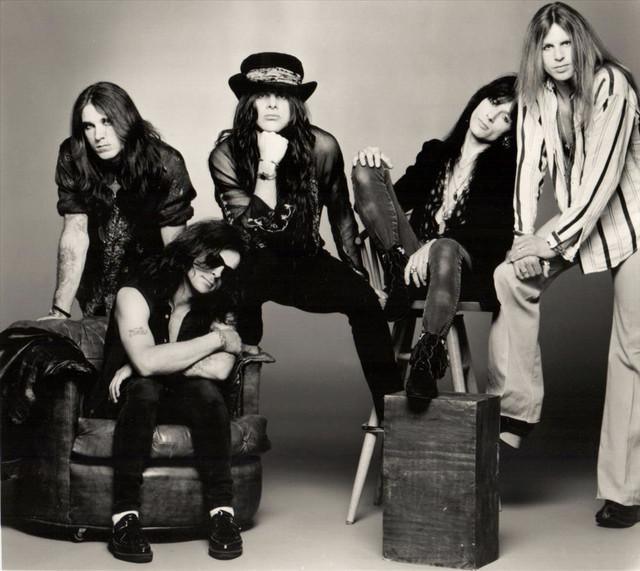
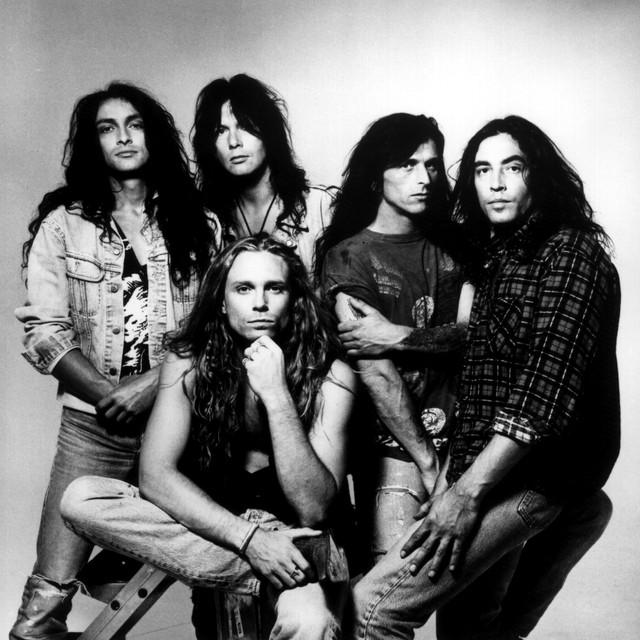
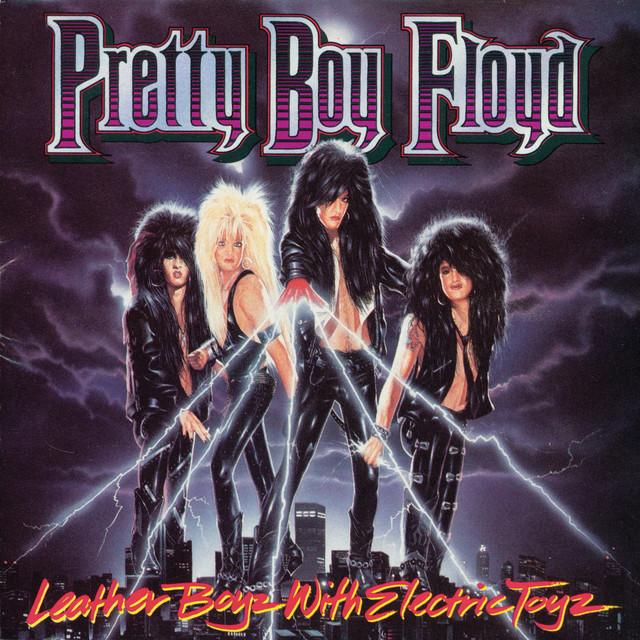
Pretty Boy Floyd’s Spotify BioTaking their moniker from the nickname for charismatic Depression-era bank robber Charles Arthur Floyd, Hollywood's Pretty Boy Floyd emerged in 1987 near the tail end of the glam and pop-metal scene. The band's 1989 debut album, Leather Boyz with Electric Toyz, cracked the Billboard 200 and yielded the hits "Rock and Roll (Is Gonna Set the Night on Fire)" and "I Wanna Be with You." Disbanding in 1994, Pretty Boy Floyd reconvened in the late '90s and have gone on to release an EP (A Tale of Sex, Designer Drugs, and the Death of Rock n' Roll) and two full-length efforts (2004's Size Really Does Matter and 2017's Public Enemies). Rock & Roll (Is Gonna Set the Night on Fire), a collection of demos, covers, and re-recordings, appeared in 2021.
Pretty Boy Floyd coalesced in 1987 around the talents of singer Steve Summers, guitarist Kristy Majors, bassist Vinnie Chas, and drummer Karl Kane. The group's debut album, Leather Boyz with Electric Toyz, was released in 1989 and reached number 130 on… the Billboard Albums chart on the strength of the singles "Rock and Roll (Is Gonna Set the Night on Fire)" and "I Wanna Be with You." As tastes shifted from pop-metal to grunge in the early '90s, Pretty Boy Floyd soon found themselves without a label, and ceased operations in 1994. However, the group reunited in the late '90s, issuing an EP titled A Tale of Sex, Designer Drugs, and the Death of Rock n' Roll in 1998; later in the year, the compilation album Porn Stars was released by Cleopatra.
After a lengthy hiatus, the group re-emerged in 2004 with Size Really Does Matter on the Deadline imprint. In 2017, after a long period of relative inactivity that saw bandmembers working on other projects, Pretty Boy Floyd inked a deal with Frontiers Records and released Public Enemies, which guitarist Majors described as the true follow-up to their 1989 debut. In 2019, the band issued Stray Bullet, a set of demo recordings from the early '90s that was originally intended to be the follow-up to Leather Boyz with Electric Toyz, and in 2021 they released another demos and rarities collection called Rock & Roll (Is Gonna Set the Night on Fire). ~ Steve Huey & James Christopher Monger, Rovi
Viberate is a music analytics platform built for A&Rs, artist managers, labels, booking agents, marketers, and artists.
It helps music professionals track artist growth, analyze audience data, monitor playlist activity, compare artists, follow song performance, and identify opportunities across the music market.
Public artist pages provide a free preview of selected artist data. Paid plans provide access to deeper analytics, historical data, charts, comparisons, playlist tools, exports, alerts, reports, and additional professional features.
Yes. Public Viberate artist pages provide selected artist analytics and music data for free.
Viberate also offers a 7-day free trial of the full platform. A credit card is required to start the trial. The trial includes access to the complete product so users can test deeper artist analytics, historical views, playlist insights, comparisons, charts, exports, alerts, and reporting features before choosing a paid plan.
Viberate provides artist analytics across streaming, playlists, social media, video, radio airplay, songs, and audience markets.
Users can analyze Spotify performance, Spotify and Apple Music playlists, YouTube activity, TikTok and Instagram growth, radio spins, song performance, audience locations, demographics, rankings, and overall artist momentum.
Artist profiles also connect to music charts, similar artists, and comparison tools, helping users benchmark performance and evaluate artists in context.
Viberate updates key artist and track data daily.
For followed artists and tracks, selected data is refreshed multiple times per day. This helps teams monitor playlist changes, streaming movement, audience growth, releases, and campaign performance with more current data.
Update frequency can vary depending on the metric and data source.
Yes. Viberate lets users compare up to five artists side by side across streaming, social media, audience, and engagement metrics.
Users can compare fanbase growth, audience demographics, locations, Spotify performance, social metrics, and other artist data over selected time periods.
Artist comparison can be used for A&R scouting, benchmarking, booking decisions, campaign planning, and evaluating artists with similar audiences or market positions.