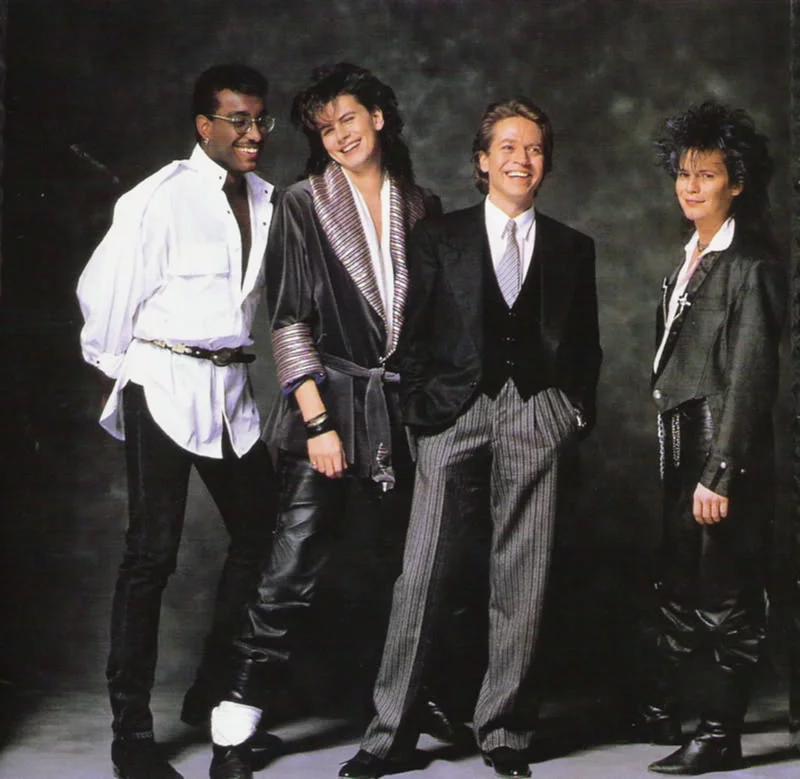
The Power Station

Rock
Pop Rock
Alternative Rock
 Viberate Rank: 46054
 Viberate Rank: 46054
 Monthly ListenersFollowers
 Subscribers
 Followers
 Followers
 FansTop Spotify Songs
| Track | 7-Day Streams | |
|---|---|---|
1 | 47.13K | |
2 | 37.92K | |
3 | 13.13K | |
4 | 9.97K | |
5 | 6.92K |
Top YouTube VideosMonthly ListenersFeatured in Playlists| Playlist | Followers | |
|---|---|---|
1 | Classic Rock Greatest Hits Scott Pruden | 341.40K |
2 |  80s New Wave & Alternative Troy @ TavernTails | 194.42K |
3 |  The Best Of 80's Keegan - Old Times Playlists | 120.34K |
4 |  80's Music Hits Denis Solera Mata | 60.19K |
5 |  Now 1 - 114 (1983 - 2023) Now That's What I Call Music 1 - 114 abundantmusic | 56.69K |
Audience| City | Monthly Listeners | |
|---|---|---|
1 |  | 6.96K |
2 |  | 4.88K |
3 | | 4.68K |
4 | | 4.13K |
5 | | 3.00K |
See full performance history, audience data, playlist activity, rankings, comparisons, and more in Viberate music analytics. Start with a free trial, then continue with a paid plan.
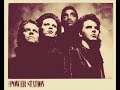
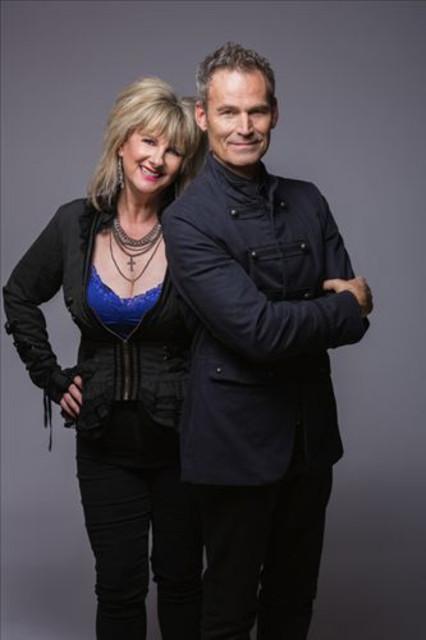
The Power Station’s Spotify BioDespite Duran Duran ruling the earth by late 1984 (due to countless hits and sold-out tours), the band had completely burned themselves out with a non-stop, grueling work schedule. 1985 was supposed to be a year-long break for its members from band duties, but its five members ultimately formed two separate side-projects: the Power Station, which was comprised of Duranee's John Taylor (bass) and Andy Taylor (guitar), plus solo artist Robert Palmer (vocals) and ex-Chic member Tony Thompson (drums); as well as Arcadia, which featured the three other Duran members, singer Simon Lebon, keyboardist Nick Rhodes, and drummer Roger Taylor.
The formation of the Power Station came as a complete accident, as John Taylor was dating model/groupie Bebe Buell at the time, and offered to assemble a funky version of T. Rex's classic rocker, "Bang a Gong (Get It On)," for Buell to contribute vocals to (with Andy Taylor and Tony Thompson joining the proceedings). But before the recording could take place,… Taylor and Buell split up. The trio decided to press on, however (having already demoed several originals, as well), with a plan to have several different noted pop singers provide vocals. Robert Palmer was invited to sing on a track, but with the vocalist and the rest of the band extremely impressed with the results, Palmer ended up singing on all of the resulting album's eight tracks. Issued in early 1985, the quartet's self-titled debut was a sizeable hit, due to a pair of monster hit singles which merged rock with a dance edge, the original tune "Some Like It Hot" and the aforementioned cover of "Bang a Gong." The album's immediate commercial success prompted the group to organize a supporting tour, but surprisingly, Palmer pulled out just a few days before the tour's launch.
The Power Station first attempted to lure Paul Young into the group (who had just scored a hit with the ballad, "Everytime You Go Away"), before settling on former-Silverhead frontman Michael Des Barres. Despite an appearance at the mammoth Live Aid benefit festival in July of 1985, the bandmembers decided to call it quits upon the tour's completion. As a side note, the band member's temporary "break" from Duran Duran failed to recharge their batteries, as both Andy and Roger Taylor split from the band shortly thereafter, while Palmer would go on to issue some of the '80s biggest pop hits, including "Addicted to Love" and "Simply Irresistible." Surprisingly, the original Power Station lineup re-formed almost exactly ten years later, issuing a sophomore effort, Living in Fear, in 1996. Unsurprisingly, the album failed to replicate its predecessor's success. ~ Greg Prato, Rovi
Viberate is a music analytics platform built for A&Rs, artist managers, labels, booking agents, marketers, and artists.
It helps music professionals track artist growth, analyze audience data, monitor playlist activity, compare artists, follow song performance, and identify opportunities across the music market.
Public artist pages provide a free preview of selected artist data. Paid plans provide access to deeper analytics, historical data, charts, comparisons, playlist tools, exports, alerts, reports, and additional professional features.
Yes. Public Viberate artist pages provide selected artist analytics and music data for free.
Viberate also offers a 7-day free trial of the full platform. A credit card is required to start the trial. The trial includes access to the complete product so users can test deeper artist analytics, historical views, playlist insights, comparisons, charts, exports, alerts, and reporting features before choosing a paid plan.
Viberate provides artist analytics across streaming, playlists, social media, video, radio airplay, songs, and audience markets.
Users can analyze Spotify performance, Spotify and Apple Music playlists, YouTube activity, TikTok and Instagram growth, radio spins, song performance, audience locations, demographics, rankings, and overall artist momentum.
Artist profiles also connect to music charts, similar artists, and comparison tools, helping users benchmark performance and evaluate artists in context.
Viberate updates key artist and track data daily.
For followed artists and tracks, selected data is refreshed multiple times per day. This helps teams monitor playlist changes, streaming movement, audience growth, releases, and campaign performance with more current data.
Update frequency can vary depending on the metric and data source.
Yes. Viberate lets users compare up to five artists side by side across streaming, social media, audience, and engagement metrics.
Users can compare fanbase growth, audience demographics, locations, Spotify performance, social metrics, and other artist data over selected time periods.
Artist comparison can be used for A&R scouting, benchmarking, booking decisions, campaign planning, and evaluating artists with similar audiences or market positions.