Adam Ant

Rock
Alternative Rock
Pop Rock
Rockabilly
 Viberate Rank: 26411
 Viberate Rank: 26411
 Monthly ListenersFollowers
 Subscribers
 Followers
 Followers
 FansTop Spotify Songs
| Track | 7-Day Streams | |
|---|---|---|
1 | 55.76K | |
2 | 15.21K | |
3 | 14.97K | |
4 | 7.65K | |
5 | 3.54K |
Top YouTube Videos| Video | 7-Day Views | |
|---|---|---|
1 | 22.00K | |
2 | 15.59K | |
3 | 11.43K | |
4 | 8.45K | |
5 | 6.02K |
Monthly ListenersFeatured in Playlists| Playlist | Followers | |
|---|---|---|
1 |  80s Pop Rock Spotify | 603.62K |
2 | Classic Rock Greatest Hits Scott Pruden | 341.40K |
3 |  80s New Wave & Alternative Troy @ TavernTails | 194.42K |
4 |  80s Greatest Hits | The Best Hits of the 1980s! | Press ❤️ to follow!! Andy P - Over 280 Playlists! | 193.09K |
5 |  1980s Pop Express Filtr | 183.56K |
Audience| City | Monthly Listeners | |
|---|---|---|
1 | | 5.64K |
2 |  | 4.62K |
3 | | 3.58K |
4 |  | 3.56K |
5 | | 3.52K |
See full performance history, audience data, playlist activity, rankings, comparisons, and more in Viberate music analytics. Start with a free trial, then continue with a paid plan.
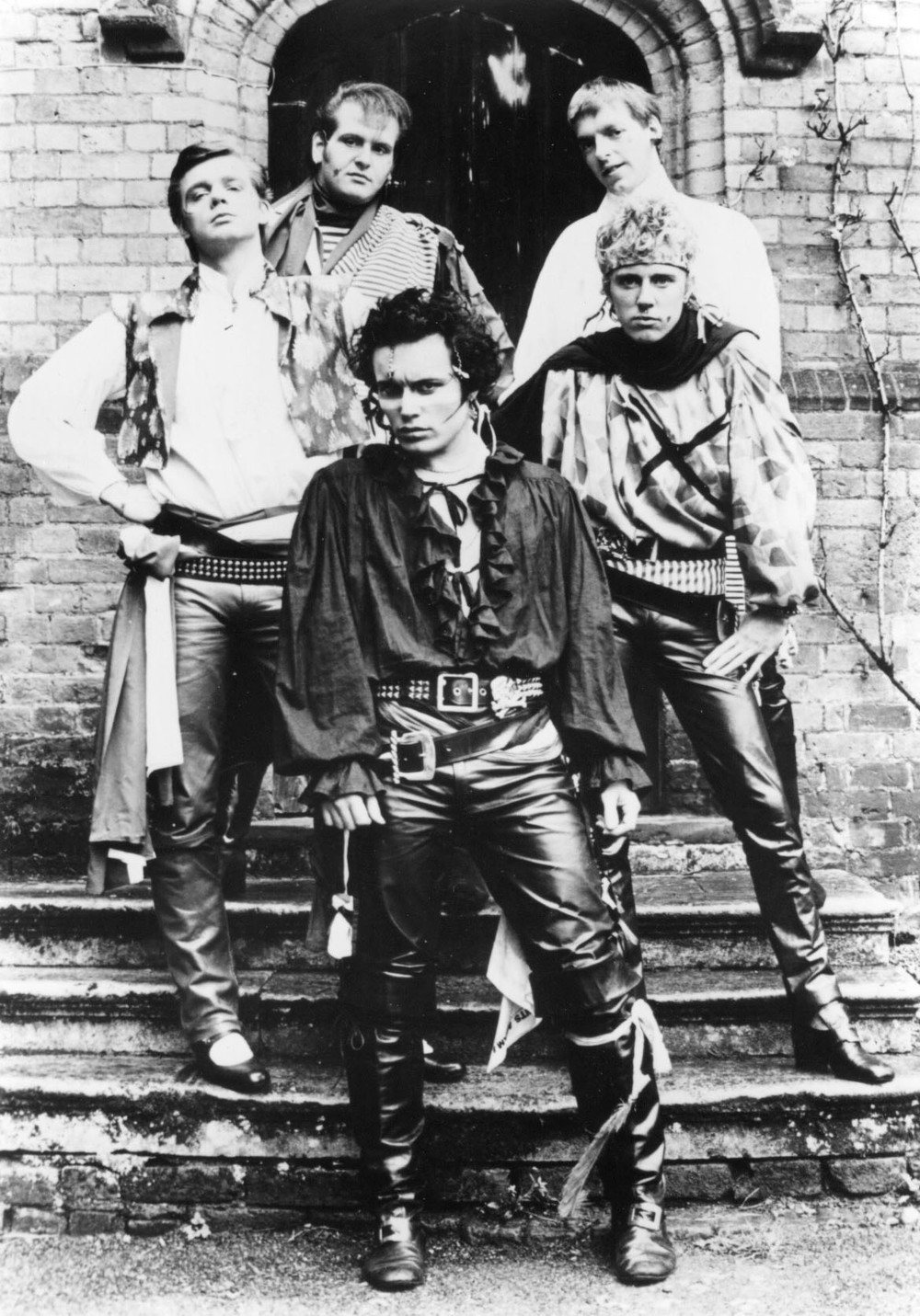
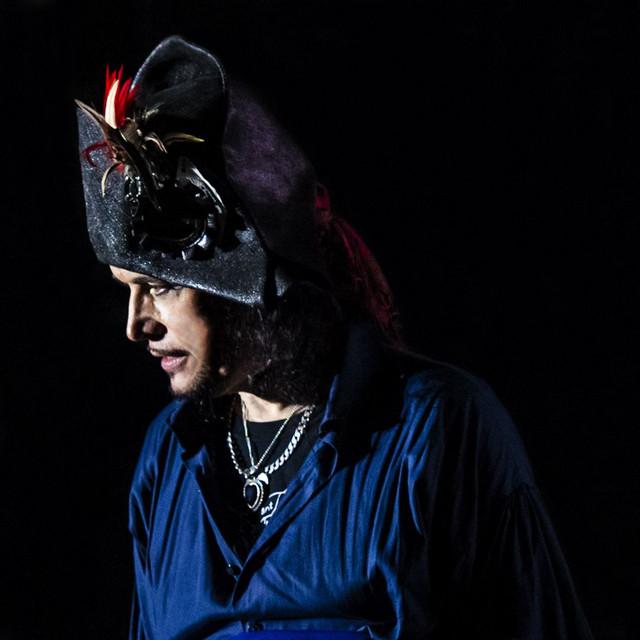
Adam Ant’s Spotify BioOne of the seminal figures of new wave, Adam Ant (born Stuart Leslie Goddard) had several distinct phases to his career. Initially, he explored a jagged, guitar-oriented post-punk with his group Adam and the Ants before giving way to a more pop-oriented, glam-tinged musical direction that brought him to the top of the charts. After that had run its course, he refashioned himself as a mainstream singer, which enabled him to stretch his career out for a couple of years. Once it seemed that his musical career had evaporated, he made an unexpected comeback in the early '90s as an adult alternative artist. During all this time, he recorded several great pop singles and had a surprisingly large impact on alternative rock.
Adam Ant formed Adam and the Ants with guitarist Lester Square, bassist Andy Warren, and drummer Paul Flanagan in London in 1977. The group's approach was more theatrical than most punk groups, incorporating sadomasochistic imagery into their concerts. During this time, the… group's lineup was fairly unstable, with Square being replaced by Mark Gaumont. The band released their debut, Dirk Wears White Sox, on the independent label Do It in 1979. Dirk was an ambitious and somewhat dark album, filled with jerky rhythms and angular guitar riffs, and elements of glam rock crept into Adam's vocals; Adam re-acquired the rights to the record in 1983, reissuing it in a resequenced and remixed form, with the tracks "Catholic Day" and "Day I Met God" replaced by "Zerox" and "Kick," as well as including a new version of "Cartrouble."
At the time of its release, Dirk Wears White Sox wasn't a critical or commercial success, and the band felt the need to rework their image. Ant hired Malcolm McLaren, the manager of the Sex Pistols, to help redefine them. McLaren dressed the band in pirate outfits and suggested a more accessible and pop-oriented, rhythmic variation on punk. Adam and the Ants followed his advice, preparing material for a new album. However, McLaren persuaded all of the Ants to leave Adam, using them as the core members of Bow Wow Wow. Adam Ant immediately formed a new version of the Ants, adding guitarist Marco Pirroni, bassist Kevin Mooney, and drummers Terry Lee Miall and Merrick (born Chris Hughes). Pirroni, in particular, became very important in the band's musical direction, co-writing the majority of the songs with Adam, thus beginning a collaboration between the duo that would continue into the '90s.
Driven by a relentless, driving beat and chanting melodies, the new band's first album, 1980's Kings of the Wild Frontier, became an enormous hit in the U.K., launching three Top Ten hit singles, including the number two "Ant Music." The band's success was helped by a series of visually enticing videos, prominently featuring the skinny, handsome Adam Ant decked out in pirate gear. Prince Charming, released the following year, retained the same formula as Kings of the Wild Frontier, spawning two number one singles, "Stand and Deliver" and "Prince Charming." Even though the album was a commercial success, the formula was beginning to wear thin.
After Prince Charming, Adam Ant ditched the Ants for a solo career, retaining Marco Pirroni as a songwriting collaborator and a supporting musician. Adam's first solo album, Friend or Foe, was released in 1982 and featured the number one single "Goody Two Shoes" and the Top Ten title track. Although his next album, 1983's Strip, had some highlights and hit singles, it marked the end of his reign as one of Britain's top pop stars.
Released in 1985, the Tony Visconti-produced Vive le Rock had some fun moments, but the performance was too studied and the record didn't earn any hit singles, so Adam Ant pursued a surprisingly successful career in acting. In 1990, Ant made a comeback with the catchy hit single "Room at the Top" from the Manners & Physique record, but the album failed to produce another hit single. For the next five years, Ant concentrated on acting.
By the time Adam Ant returned to recording in 1995, echoes of his music could be heard in the spiky singles of Elastica, the neo-goth industrial rock of Nine Inch Nails, and the pseudo-glam of Suede. Instead of capitalizing on the burgeoning new wave revival, Adam Ant's 1995 comeback, Wonderful, had little to do with the stylish, intensely rhythmic music he made in the early '80s. Instead, the album repositioned him as a more mature pop-rocker, with crafted songs that featured acoustic guitars as prominently as electrics. The album was a moderate hit in the U.S. and the U.K., as was the single "Wonderful."
Following the promo push for Wonderful, Adam Ant and Pirroni attempted to write a new clutch of songs but no finished album came of it, nor did anything surface from various sessions over the next few years. Instead, the rarities-studded retrospective Antbox appeared in 2000. Ant continued his attempts to launch new projects -- including a collaboration with Morrissey guitarist Boz Boorer, who did appear on Wonderful -- but he also suffered from erratic behavior, resulting in several arrests between 2002 and 2003, leading to a period of hospitalization for mental health (he was later diagnosed with bipolar disorder). A further round of reissues arrived in the mid-2000s, this time expanded double-discs of his first six albums, all containing a second disc with rarities, B-sides, and unreleased material. At the conclusion of this campaign came Stand & Deliver, Ant's autobiography, which he promoted with his first live performance in 11 years. Soon, Adam Ant began to mount a proper comeback, beginning a new label called Blueblack Hussar Ltd in 2010, then starting to perform with regularity, touring the U.K., Europe, U.S., and Australia as he began to work out new material. This new material finally surfaced in January 2013 as the messy, ambitious pseudo-concept album Adam Ant Is the BlueBlack Hussar in Marrying the Gunner's Daughter. ~ Stephen Thomas Erlewine, Rovi
Viberate is a music analytics platform built for A&Rs, artist managers, labels, booking agents, marketers, and artists.
It helps music professionals track artist growth, analyze audience data, monitor playlist activity, compare artists, follow song performance, and identify opportunities across the music market.
Public artist pages provide a free preview of selected artist data. Paid plans provide access to deeper analytics, historical data, charts, comparisons, playlist tools, exports, alerts, reports, and additional professional features.
Yes. Public Viberate artist pages provide selected artist analytics and music data for free.
Viberate also offers a 7-day free trial of the full platform. A credit card is required to start the trial. The trial includes access to the complete product so users can test deeper artist analytics, historical views, playlist insights, comparisons, charts, exports, alerts, and reporting features before choosing a paid plan.
Viberate provides artist analytics across streaming, playlists, social media, video, radio airplay, songs, and audience markets.
Users can analyze Spotify performance, Spotify and Apple Music playlists, YouTube activity, TikTok and Instagram growth, radio spins, song performance, audience locations, demographics, rankings, and overall artist momentum.
Artist profiles also connect to music charts, similar artists, and comparison tools, helping users benchmark performance and evaluate artists in context.
Viberate updates key artist and track data daily.
For followed artists and tracks, selected data is refreshed multiple times per day. This helps teams monitor playlist changes, streaming movement, audience growth, releases, and campaign performance with more current data.
Update frequency can vary depending on the metric and data source.
Yes. Viberate lets users compare up to five artists side by side across streaming, social media, audience, and engagement metrics.
Users can compare fanbase growth, audience demographics, locations, Spotify performance, social metrics, and other artist data over selected time periods.
Artist comparison can be used for A&R scouting, benchmarking, booking decisions, campaign planning, and evaluating artists with similar audiences or market positions.