The Tubes

R&B
Contemporary R&B
Pop Rock
 Viberate Rank: 45794
 Viberate Rank: 45794
 Monthly ListenersFollowers
 Subscribers
 Followers
 Followers
 FansTop Spotify Songs
| Track | 7-Day Streams | |
|---|---|---|
1 | 139.17K | |
2 | 27.47K | |
3 | 4.43K | |
4 | 2.22K | |
5 | 2.05K |
Top YouTube VideosMonthly ListenersFeatured in Playlists| Playlist | Followers | |
|---|---|---|
1 |  Classic Rock Songs 60s 70s 80s 90s Music-Hits_. | 788.24K |
2 | Classic Rock Greatest Hits Scott Pruden | 341.38K |
3 |  80s Classic Hits | The Best of the 80s uDiscover Playlists | 319.23K |
4 |  80s New Wave & Alternative Troy @ TavernTails | 194.34K |
5 |  The Best Of 80's Keegan - Old Times Playlists | 120.34K |
Audience| City | Monthly Listeners | |
|---|---|---|
1 | | 7.44K |
2 | | 5.30K |
3 | | 4.83K |
4 | | 4.82K |
5 | | 4.77K |
See full performance history, audience data, playlist activity, rankings, comparisons, and more in Viberate music analytics. Start with a free trial, then continue with a paid plan.
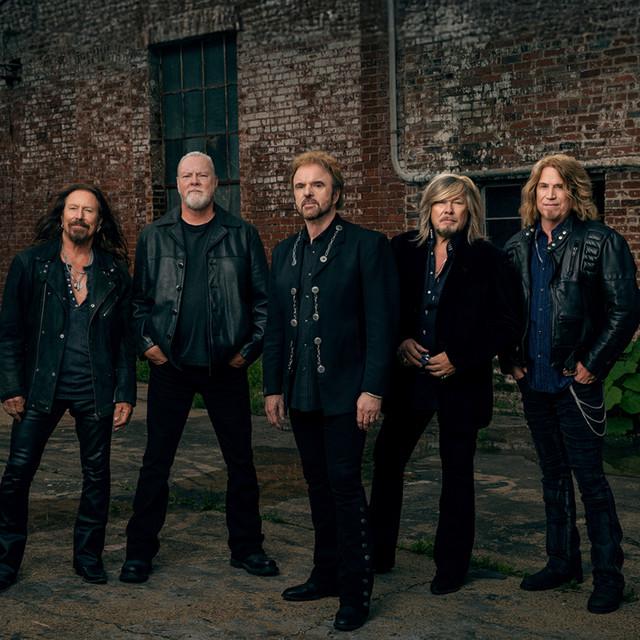
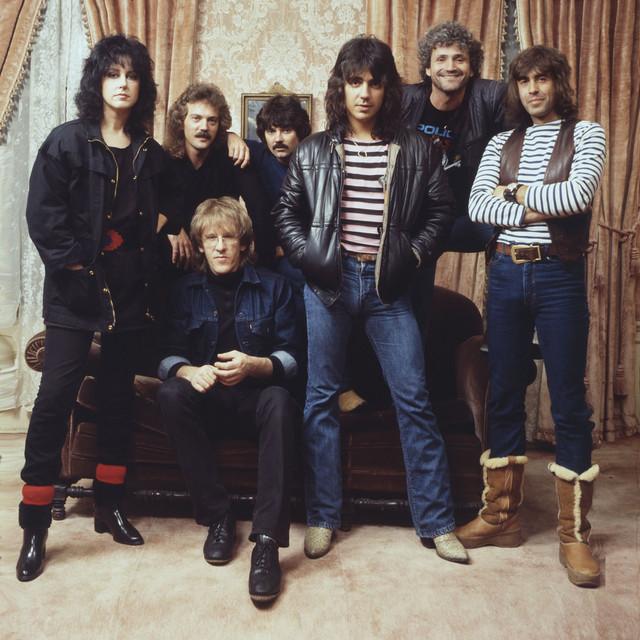
The Tubes’ Spotify BioThe Tubes were arch satirists of popular culture whose outrageous performance art concepts -- which swung wildly from softcore pornography to suit-and-tie conservatism -- frequently eclipsed their elusive musical identity. The beginnings of the group originated in Phoenix, Arizona, in the late '60s, where guitarist Bill Spooner, keyboardist Vince Welnick, and bassist Rick Anderson formed as the Beans (alternately billing themselves as the Radar Men from Uranus). After moving to San Francisco in 1972, the Beans recruited guitarist Roger Steen and drummer Prairie Prince (from Red, White & Blues), and later became the Tubes with the addition of Michael Cotten on keyboards and former roadie Fee Waybill on lead vocals.
Over the course of the next few years, the Tubes earned a devoted cult following on the strength of Spooner's parodic songs and the group's surreal live shows, which featured Waybill adopting a variety of personae including the "crippled Nazi" Dr. Strangekiss, country singer… Hugh Heifer, and Quay Lewd, a drug-addled British pop star. After signing to A&M in 1975, they released their self-titled debut, followed a year later by Young and Rich; while both failed to transfer the manic energy and theatrical complexity of their live set onto record, the single "White Punks on Dope" became a minor hit and a radio staple.
After 1977's failed concept record The Tubes Now, the group toured England, where a series of banned performances made them a media sensation. However, during the recording of the concert LP What Do You Want from Live?, Waybill broke his leg on-stage while acting out his punk character Johnny Bugger. The remainder of the tour was canceled, and with it died the band's chart momentum. After returning to the U.S., they recruited producer Todd Rundgren and recorded 1979's Remote Control, a concept album exploring the influence of television. When it met a similar commercial fate as its predecessors, the Tubes were dropped by A&M.
After signing to Capitol, the band recorded 1981's Completion Backwards Principle, an album based on an actual sales training instruction manual; both "Talk to You Later" and "Don't Want to Wait Anymore" earned significant radio play, and the LP became the Tubes' first Top 40 hit. Thanks to its provocative video, the single "She's a Beauty" reached the Top Ten, and pushed the 1983 LP Outside/Inside into the Top 20 Albums chart. After 1985's Love Bomb stiffed, however, the Tubes disbanded, and Welnick later joined the Grateful Dead (long suffering from depression, he committed suicide in June 2006).
In 1993, the Tubes reunited; consisting of Waybill, Steen, Anderson, Prince, and new keyboardist Gary Cambra, they toured the U.S. and Europe before releasing a new LP, Genius of America, in 1996. Spooner also issued his own solo record, Mall to Mars. In 2000, the Tubes embarked on another extensive tour, issuing the live greatest-hits album Tubes World Tour to commemorate the event. The band appeared at London's Shepherd's Bush Empire in December 2004, and the show was documented on the CD Wild in London, released the following year. Bassist Rick Anderson died on December 16, 2022, at the age of 75. ~ Jason Ankeny, Rovi
Viberate is a music analytics platform built for A&Rs, artist managers, labels, booking agents, marketers, and artists.
It helps music professionals track artist growth, analyze audience data, monitor playlist activity, compare artists, follow song performance, and identify opportunities across the music market.
Public artist pages provide a free preview of selected artist data. Paid plans provide access to deeper analytics, historical data, charts, comparisons, playlist tools, exports, alerts, reports, and additional professional features.
Yes. Public Viberate artist pages provide selected artist analytics and music data for free.
Viberate also offers a 7-day free trial of the full platform. A credit card is required to start the trial. The trial includes access to the complete product so users can test deeper artist analytics, historical views, playlist insights, comparisons, charts, exports, alerts, and reporting features before choosing a paid plan.
Viberate provides artist analytics across streaming, playlists, social media, video, radio airplay, songs, and audience markets.
Users can analyze Spotify performance, Spotify and Apple Music playlists, YouTube activity, TikTok and Instagram growth, radio spins, song performance, audience locations, demographics, rankings, and overall artist momentum.
Artist profiles also connect to music charts, similar artists, and comparison tools, helping users benchmark performance and evaluate artists in context.
Viberate updates key artist and track data daily.
For followed artists and tracks, selected data is refreshed multiple times per day. This helps teams monitor playlist changes, streaming movement, audience growth, releases, and campaign performance with more current data.
Update frequency can vary depending on the metric and data source.
Yes. Viberate lets users compare up to five artists side by side across streaming, social media, audience, and engagement metrics.
Users can compare fanbase growth, audience demographics, locations, Spotify performance, social metrics, and other artist data over selected time periods.
Artist comparison can be used for A&R scouting, benchmarking, booking decisions, campaign planning, and evaluating artists with similar audiences or market positions.