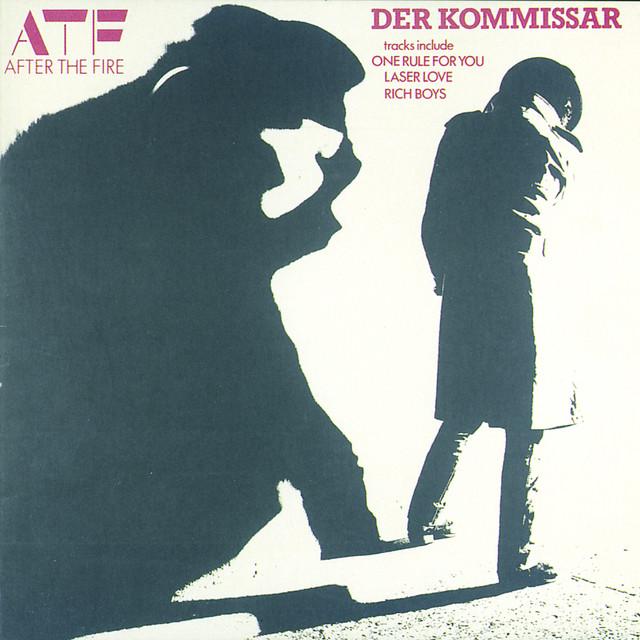
After The Fire

Rock
Alternative Rock
Pop Rock
 Viberate Rank: 69027
 Viberate Rank: 69027
 Monthly ListenersFollowers
 Subscribers
 Followers
 Followers
 FansTop Spotify Songs
| Track | 7-Day Streams | |
|---|---|---|
1 | 71.05K | |
2 | 65.64K | |
3 | 5.95K | |
4 | 269 | |
5 | 256 |
Top YouTube VideosMonthly ListenersFeatured in Playlists| Playlist | Followers | |
|---|---|---|
1 |  Alternative 80s Spotify | 2.11M |
2 |  80s New Wave & Alternative Troy @ TavernTails | 194.34K |
3 |  80's One Hit Wonders Abraham Velazquez | 92.08K |
4 |  Clásicos 80 & 90 Daniel Saa Arancibia | 86.33K |
5 |  80’s Mega Hits DysonG | 83.06K |
Audience| City | Monthly Listeners | |
|---|---|---|
1 |  | 5.34K |
2 |  | 3.94K |
3 | | 3.44K |
4 |  | 2.94K |
5 | | 2.55K |
See full performance history, audience data, playlist activity, rankings, comparisons, and more in Viberate music analytics. Start with a free trial, then continue with a paid plan.
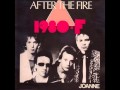
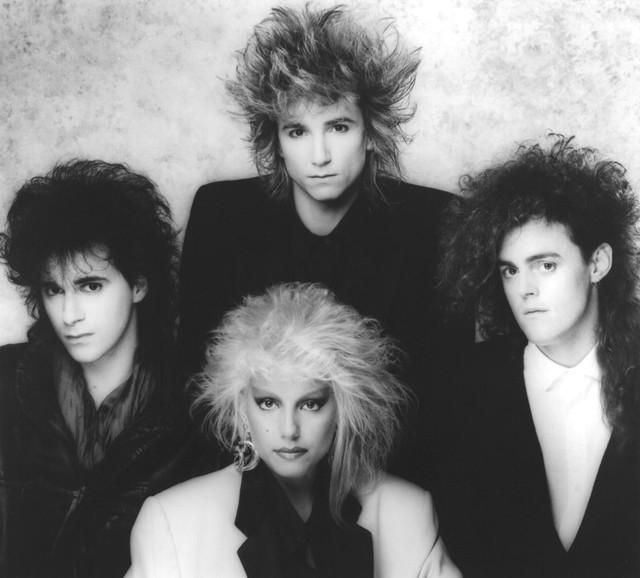
After The Fire’s Spotify BioAfter the Fire was originally formed in England in 1974 by keyboard player Peter Banks. This lineup disbanded a few years later, upon which point Banks re-formed the band with guitarist Andy Piercy, bass player Nick Battle, and drummer Ivor Twiddell. The new lineup played the London music scene and eventually became a favorite at the Marquee on London's Wardour Street. In 1978, the band cut their first album, Signs of Change, on their own Rapid label. Their musical style at the time sounded like early Genesis and Greenslade. After increasing popularity, the band signed to CBS to record their second album, Laser Love, which marked a change in direction influenced by the recent emergence of new wave. Battle left and was replaced by guitarist John Russell, who was previously in Narnia with Banks. Banks changed his name to "Memory" Banks to avoid confusion with the ex-Yes guitarist with the same name, while Piercy switched to bass. The single "One Rule for You," produced by Rupert Hine,… went U.K. Top 40. The band's third album, 80F, was less successful. Twiddell was later replaced by Peter King (ex-Flys). 1981's Batteries Not Included was a more commercial effort, but success eluded the band until 1983 when they scored a U.S. Top Ten hit with "Der Kommissar." By this time only Piercy remained in the lineup. ~ Mike Edmunds, Rovi
Viberate is a music analytics platform built for A&Rs, artist managers, labels, booking agents, marketers, and artists.
It helps music professionals track artist growth, analyze audience data, monitor playlist activity, compare artists, follow song performance, and identify opportunities across the music market.
Public artist pages provide a free preview of selected artist data. Paid plans provide access to deeper analytics, historical data, charts, comparisons, playlist tools, exports, alerts, reports, and additional professional features.
Yes. Public Viberate artist pages provide selected artist analytics and music data for free.
Viberate also offers a 7-day free trial of the full platform. A credit card is required to start the trial. The trial includes access to the complete product so users can test deeper artist analytics, historical views, playlist insights, comparisons, charts, exports, alerts, and reporting features before choosing a paid plan.
Viberate provides artist analytics across streaming, playlists, social media, video, radio airplay, songs, and audience markets.
Users can analyze Spotify performance, Spotify and Apple Music playlists, YouTube activity, TikTok and Instagram growth, radio spins, song performance, audience locations, demographics, rankings, and overall artist momentum.
Artist profiles also connect to music charts, similar artists, and comparison tools, helping users benchmark performance and evaluate artists in context.
Viberate updates key artist and track data daily.
For followed artists and tracks, selected data is refreshed multiple times per day. This helps teams monitor playlist changes, streaming movement, audience growth, releases, and campaign performance with more current data.
Update frequency can vary depending on the metric and data source.
Yes. Viberate lets users compare up to five artists side by side across streaming, social media, audience, and engagement metrics.
Users can compare fanbase growth, audience demographics, locations, Spotify performance, social metrics, and other artist data over selected time periods.
Artist comparison can be used for A&R scouting, benchmarking, booking decisions, campaign planning, and evaluating artists with similar audiences or market positions.