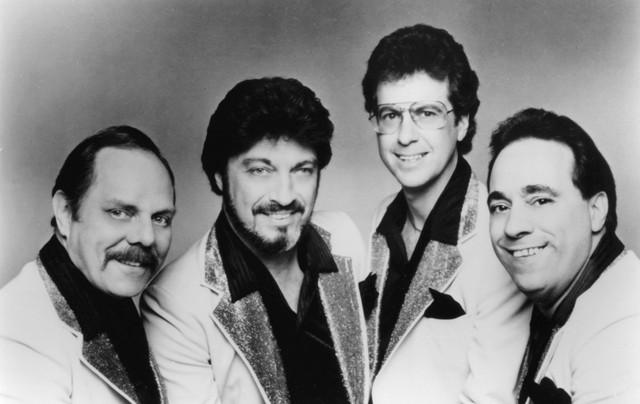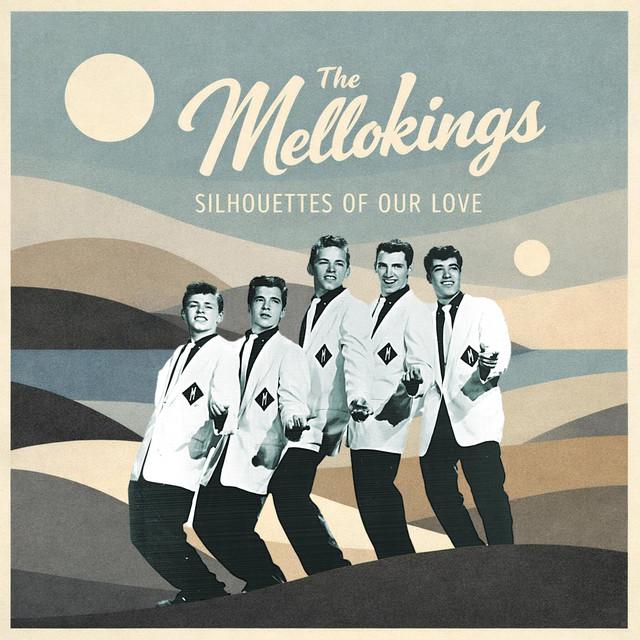
The Mello-Kings

Blues
Classic Blues
Soul
 Viberate Rank: 193340
 Viberate Rank: 193340
 Monthly ListenersFollowers
 Subscribers
 Followers
 Followers
 FansTop Spotify Songs
| Track | 7-Day Streams | |
|---|---|---|
1 | 13.21K | |
2 | 13.17K | |
3 | 109 | |
4 | 109 | |
5 | 94 |
Top YouTube VideosMonthly ListenersFeatured in Playlists| Playlist | Followers | |
|---|---|---|
1 |  East Side Story Volumes 1-12 Darius Chavez-Martinez | 40.09K |
2 |  Essential Classics Essential Classics | 31.39K |
3 |  East Side Story: Vol. 1 - 12 Wax Poetics | 21.52K |
4 | Top 100 Doo Wop Hits 1953-1964 Hunter Pratt | 19.93K |
5 | lowrider chicano oldies but goodies vee 🖤🦇 | 18.94K |
Audience| City | Monthly Listeners | |
|---|---|---|
1 | | 2.42K |
2 | | 871 |
3 | | 714 |
4 | | 667 |
5 | | 573 |
See full performance history, audience data, playlist activity, rankings, comparisons, and more in Viberate music analytics. Start with a free trial, then continue with a paid plan.
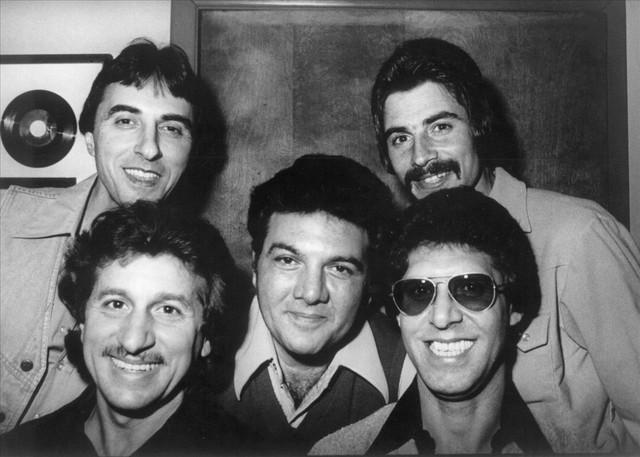
The Mello-Kings’ Spotify BioThe Mello-Kings were one-hit wonders in the doo wop world, fondly remembered for their lone national hit "Tonite, Tonite." They were an all-white vocal group from Mt. Vernon, a working-class suburb of New York City located in Westchester County just to the north of the Bronx. Led by Robert Scholl (aka Bob Scholl), the other members included Robert's brother Jerry Scholl, Ed Quinn, Neil Arena, and Larry Esposito, all students from George Washington High.
By the fall of 1956, they were calling themselves the Mellotones, gaining attention in the local area and catching the ear of a Black pianist named Dick Levister, who offered to become the group's manager and accompany them during live performances. It was Levister who brought them to the attention of Al Silver, who owned both the Herald and Ember labels, which had been up and running since 1952. Both New York-based labels specialized in vocal group records.
Silver, one of the pioneering R&B label owners, had by this point already… recorded and released numerous hit singles by acts on both Herald and Ember, including the Nutmegs (whose 1955 R&B smash hit "Story Untold" made it to number two in the U.S.), the Five Satins (whose "In the Still of the Night," a smash in 1956, had been leased to Ember; they later scored a hit for the label with "To the Aisle," a Top Ten R&B hit, number 25 pop, in the summer of 1957), and the Turbans (whose "When You Dance" was the group's best charter for Herald). Silver liked what he heard and the group -- with their trademark white jackets (supposedly at Levister's insistence) -- helped them forge an identity with the teenage public. For the Mellotones' first release, Silver chose a tune called "Tonite, Tonite" written by Billy Myles (who also penned "All My Love You Were Made For" with Jackie Wilson). It was released during the summer of 1957 and became an immediate regional smash hit. Unfortunately, it discovered too late that there was already a record out that summer on George Goldner's Gee label by a group called the Mello-Tones, (their "Rosie Lee" later climbed into the Top 24 on the pop charts). A quick name change was in order, "Tonite, Tonite" was quickly re-released by the Mello-Kings. The single was a big seller in the Northeast, again having regional ties. They made more than one TV appearance with Dick Clark on both the daily American Bandstand and his weekly Saturday Night show for ABC network.
Late in 1957, the Mello-Kings recorded their next single, "The Chapel on the Hill," which failed to earn them much additional success. Their next single, "Baby Tell Me Why Why Why" also missed. However, their next single, "Valerie," became a regional hit in the New York area on its way to becoming a classic example of doo wop despite the fact that it didn't chart nationally. At the height of their popularity, they were added to "package" tours, where they performed alongside acts like the Channels, the Dells, the Flamingos, the Spaniels, and labelmates the Five Satins.
The success of "Tonite, Tonite" and to a lesser extent, "Valerie," however, earned them a slot on Herald's first compilation of hits, a full-length LP called Herald of the Beat, which featured hits by the Turbans, Nutmegs, Faye Adams, and the unabashedly gay vocal duo Charlie & Ray. Sales of the excellent LP helped improve the Mello-Kings' visibility on the music scene in 1958. Their label continued to issue the Mello-Kings' lone hit on all subsequent compilation albums.
The group began going through some personnel changes shortly thereafter, and despite releasing five more singles on the Herald label from 1959 to 1961 while continuing to score hits with groups like the Silhouettes' "Get a Job" and Maurice Williams & the Zodiacs' "Stay," to name two, no further hits were forthcoming from the Mello-Kings.
The Mello-Kings made a final appearance during one of Richard Nader's very first revival shows in 1969; they can be heard reprising "Tonite, Tonite" on the Kama Sutra release of the live recording. They subsequently broke up. Bob Scholl died in a boating accident on August 27, 1975, in New York. ~ Bryan Thomas, Rovi
Viberate is a music analytics platform built for A&Rs, artist managers, labels, booking agents, marketers, and artists.
It helps music professionals track artist growth, analyze audience data, monitor playlist activity, compare artists, follow song performance, and identify opportunities across the music market.
Public artist pages provide a free preview of selected artist data. Paid plans provide access to deeper analytics, historical data, charts, comparisons, playlist tools, exports, alerts, reports, and additional professional features.
Yes. Public Viberate artist pages provide selected artist analytics and music data for free.
Viberate also offers a 7-day free trial of the full platform. A credit card is required to start the trial. The trial includes access to the complete product so users can test deeper artist analytics, historical views, playlist insights, comparisons, charts, exports, alerts, and reporting features before choosing a paid plan.
Viberate provides artist analytics across streaming, playlists, social media, video, radio airplay, songs, and audience markets.
Users can analyze Spotify performance, Spotify and Apple Music playlists, YouTube activity, TikTok and Instagram growth, radio spins, song performance, audience locations, demographics, rankings, and overall artist momentum.
Artist profiles also connect to music charts, similar artists, and comparison tools, helping users benchmark performance and evaluate artists in context.
Viberate updates key artist and track data daily.
For followed artists and tracks, selected data is refreshed multiple times per day. This helps teams monitor playlist changes, streaming movement, audience growth, releases, and campaign performance with more current data.
Update frequency can vary depending on the metric and data source.
Yes. Viberate lets users compare up to five artists side by side across streaming, social media, audience, and engagement metrics.
Users can compare fanbase growth, audience demographics, locations, Spotify performance, social metrics, and other artist data over selected time periods.
Artist comparison can be used for A&R scouting, benchmarking, booking decisions, campaign planning, and evaluating artists with similar audiences or market positions.