The Capris

R&B
Soul
 Viberate Rank: 124525
 Viberate Rank: 124525
 Monthly ListenersFollowers
 Subscribers
 Followers
 Followers
 FansTop Spotify Songs
| Track | 7-Day Streams | |
|---|---|---|
1 | 31.44K | |
2 | 6.63K | |
3 | 2.93K | |
4 | 2.91K | |
5 | 2.60K |
Top YouTube VideosMonthly ListenersFeatured in Playlists| Playlist | Followers | |
|---|---|---|
1 | Lowrider oldies Pinchekodiak | 91.32K |
2 |  Chicano Oldies DCCII.Angel | 81.36K |
3 |  The Sopranos Soundtrack - Full Playlist cullen_strang | 51.42K |
4 | Doo Wop Classics Drew Kellerman | 48.05K |
5 |  50's and 60's Rock'n'Roll classics lxwless playlists | 40.24K |
Audience| City | Monthly Listeners | |
|---|---|---|
1 | | 3.54K |
2 | | 1.41K |
3 | | 1.08K |
4 | | 1.03K |
5 | | 983 |
See full performance history, audience data, playlist activity, rankings, comparisons, and more in Viberate music analytics. Start with a free trial, then continue with a paid plan.
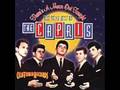
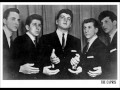
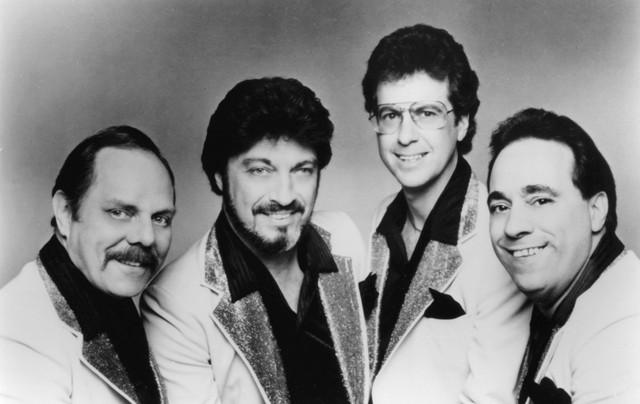
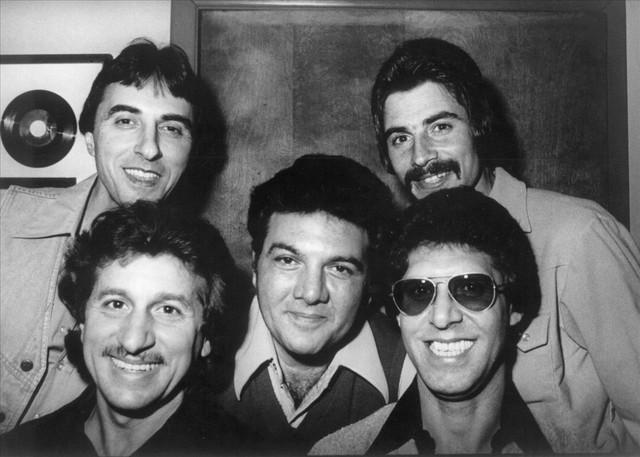
The Capris’ Spotify BioNot to be confused with the Philadelphia group of the same name, the New York City Capris were a white doo wop group. Although strongly associated with the 1950s rock & roll sound, the two records they are best known for -- "There's a Moon out Tonight" and "Morse Code of Love" -- became hits well after the '50s were over.
The group originally formed in 1957 in Queens, New York, when they all were teenagers. Nick Santa Maria (aka Santo), Mike Mincelli (first tenor), Frank Reina (second tenor), Vinnie Narcardo (baritone), and John Apostol (bass) were the initial members. In selecting their name, they were apparently unfamiliar with the Philadelphia group that had preceded them by a few years. Previous interviews with different members of the group make it unclear whether the group was named for the Isle of Capri or the car of the same name. Perhaps it was a combination of the two.
By 1958, the group had gained experience performing at local venues and had even started adding some of their… own original material to their repertoire. They attracted the attention of some independent record producers and were soon in the studio cutting an original ballad called "There's a Moon out Tonight." For the B-side, they recorded an uptempo novelty tune titled "Indian Girl." With its strong '50s rock & roll flavor, the sides were quickly picked up for release by Planet, a small New York City label. Unfortunately for the Capris, Planet was not able to effectively promote the record and it became an almost instant obscurity. Original Planet pressings of "There's a Moon out Tonight" became collectors items.
Soon thereafter, the group members all went their separate ways, and one would think that's where the story would end. But things took a different and interesting turn. By 1960, much of what was being passed off to teenagers as rock & roll was polished pop with a beat. Discerning youth began looking to the past and radio programs were starting to focus on "oldies," even though these "oldies" may have been released only two or three years earlier. As luck would have it, the Capris' record found its way into the hands of Jerry Greene. At the time, Greene worked for Times Square Records, a legendary New York City "oldies" store that supplied DJ Alan Fredericks with material for his Night Train radio show. Fredericks played the record and people were suddenly looking to buy it. Greene was initially able to get a few hundred of the remaining copies of the record from Planet. With the demand exceeding the dwindling number of available copies, Greene finally purchased the masters from Planet, started his own label, and reissued "There's a Moon out Tonight." The demand kept growing so Greene turned to Hy Weiss, who released the disc again on his Old Town label.
By early 1961, the record had made the U.S. charts and stayed there for over three months. With a hit on their hands, the Capris reunited and were soon playing some of the country's most prestigious venues, like the Regal in Chicago and the Apollo in New York City. Trying to capitalize on the success of "There's a Moon out Tonight," Old Town released three more singles by the group in 1961, including "Where I Fell in Love" b/w "Some People Think" and "Why Do I Cry" b/w "Tears in My Eyes." For their last release on Old Town, they broke with the back-to-back ballad formula of the previous two releases with the midtempo "My Island in the Sun" b/w "Girl in My Dreams." Some previously unreleased Capris tracks on Old Town also became available on a series of CDs put out by England's Ace Records.
1962 saw the group leave Old Town and move to the Mr. Peeke label for a single release, "Limbo," backed with "From the Vine Came the Grape." However, the following year, the Capris dissolved again, with Santo becoming one of New York City's finest. Over the next few years there would be other personnel changes as the group continued performing, but the next big event in the history of the Capris wouldn't arrive for another 20 years.
In 1982, Nick Santo re-joined the group and they went into the studio to record a new album, There's a Moon out Again, for Ambient Sound. Besides doing covers of some doo wop classics, the Capris also included a couple of original tunes. One of these was a song called "Morse Code of Love." The tune sounded like it came right out of the late '50s, and many thought it was in fact an overlooked oldie. It was also released as a single in 1982, backed with "There's a Moon out Again." The song got even more exposure when Manhattan Transfer decided to cover it. Over the years, "Morse Code of Love" only grew in popularity and became one of the most requested tunes on classic radio stations. Once again, the Capris scored a home run with a '50s sound that touched the heartstrings of listeners and evoked the spirit of a time when life was simpler. ~ Jim Dunn, Rovi
Viberate is a music analytics platform built for A&Rs, artist managers, labels, booking agents, marketers, and artists.
It helps music professionals track artist growth, analyze audience data, monitor playlist activity, compare artists, follow song performance, and identify opportunities across the music market.
Public artist pages provide a free preview of selected artist data. Paid plans provide access to deeper analytics, historical data, charts, comparisons, playlist tools, exports, alerts, reports, and additional professional features.
Yes. Public Viberate artist pages provide selected artist analytics and music data for free.
Viberate also offers a 7-day free trial of the full platform. A credit card is required to start the trial. The trial includes access to the complete product so users can test deeper artist analytics, historical views, playlist insights, comparisons, charts, exports, alerts, and reporting features before choosing a paid plan.
Viberate provides artist analytics across streaming, playlists, social media, video, radio airplay, songs, and audience markets.
Users can analyze Spotify performance, Spotify and Apple Music playlists, YouTube activity, TikTok and Instagram growth, radio spins, song performance, audience locations, demographics, rankings, and overall artist momentum.
Artist profiles also connect to music charts, similar artists, and comparison tools, helping users benchmark performance and evaluate artists in context.
Viberate updates key artist and track data daily.
For followed artists and tracks, selected data is refreshed multiple times per day. This helps teams monitor playlist changes, streaming movement, audience growth, releases, and campaign performance with more current data.
Update frequency can vary depending on the metric and data source.
Yes. Viberate lets users compare up to five artists side by side across streaming, social media, audience, and engagement metrics.
Users can compare fanbase growth, audience demographics, locations, Spotify performance, social metrics, and other artist data over selected time periods.
Artist comparison can be used for A&R scouting, benchmarking, booking decisions, campaign planning, and evaluating artists with similar audiences or market positions.