The Jive Five

R&B
Funk
Soul
 Viberate Rank: 157761
 Viberate Rank: 157761
 Monthly ListenersFollowers
 Subscribers
 Followers
 Followers
 FansTop Spotify Songs
| Track | 7-Day Streams | |
|---|---|---|
1 | 12.26K | |
2 | 12.26K | |
3 | 1.63K | |
4 | 1.63K | |
5 | 750 |
Top YouTube VideosMonthly ListenersFeatured in Playlists| Playlist | Followers | |
|---|---|---|
1 |  Soft 60s Spotify | 663.53K |
2 | Lowrider oldies Pinchekodiak | 91.32K |
3 |  The Sopranos Soundtrack - Full Playlist cullen_strang | 51.42K |
4 |  The Sopranos | Official HBO | 48.06K |
5 | Doo Wop Classics Drew Kellerman | 48.05K |
Audience| City | Monthly Listeners | |
|---|---|---|
1 | | 1.06K |
2 | | 464 |
3 | | 453 |
4 | | 414 |
5 | | 377 |
See full performance history, audience data, playlist activity, rankings, comparisons, and more in Viberate music analytics. Start with a free trial, then continue with a paid plan.
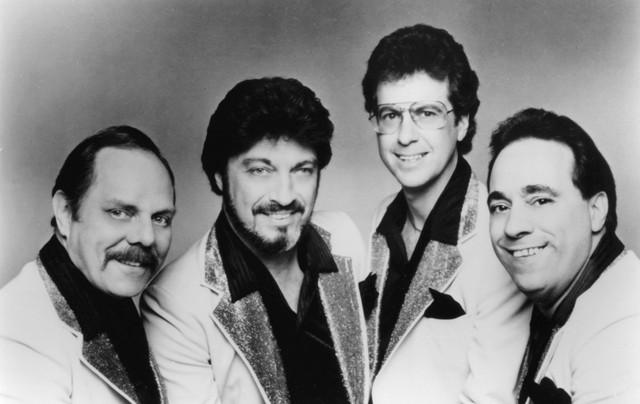
The Jive Five’s Spotify BioThe group formed in Brooklyn, New York, in 1954 as "The Genies", with Eugene Pitt, Jerome Hanna, Richard Harris, Thurmon Prophet (also known as Billy Prophet), and Norman Johnson.[2] The group, by then renamed "The Jive Five", found chart success in 1961 with "My True Story" on Beltone Records, which reached No. 3 on the Billboard Hot 100 and topped the Hot R&B Singles chart for three weeks.
They were part of the popular "Kid's Choice" awards for their recording of the famous Nic-Nic-Nic theme for Nickelodeon.
Between 2000 and 2006 the line up was led by Pitt on lead vocals, Bea Best, Art Loria (formerly of The Belmonts and Earls), Danny Loria and Harold Gilly. Maurice Unthank took over as band leader. The group released a single in 2016 entitled "It's Christmas", written by Pitt and the Loria's. It was credited to 'Eugene Pitt and the Jive Five' and featured Pitt, Best, Gill, Unthank, and the Loria's. Dan Loria also took on booking duties and management for the group..
Eugene Pitt, as… one of the founding members with Artie and Danny Loria, was active performing and recording with The Doo Wop All Stars between 1990 and 2006.
Since the passing of Pitt, Dan Loria still manages all affairs for the rights to licence all Jive Five/ Eugene Pitt recordings, likeness and image of the group for the everlasting legacy of the Jive Five, In conjunction with Star Pitt (Eugene Pitts Daughter) and business associate Stevie Dunham.
Viberate is a music analytics platform built for A&Rs, artist managers, labels, booking agents, marketers, and artists.
It helps music professionals track artist growth, analyze audience data, monitor playlist activity, compare artists, follow song performance, and identify opportunities across the music market.
Public artist pages provide a free preview of selected artist data. Paid plans provide access to deeper analytics, historical data, charts, comparisons, playlist tools, exports, alerts, reports, and additional professional features.
Yes. Public Viberate artist pages provide selected artist analytics and music data for free.
Viberate also offers a 7-day free trial of the full platform. A credit card is required to start the trial. The trial includes access to the complete product so users can test deeper artist analytics, historical views, playlist insights, comparisons, charts, exports, alerts, and reporting features before choosing a paid plan.
Viberate provides artist analytics across streaming, playlists, social media, video, radio airplay, songs, and audience markets.
Users can analyze Spotify performance, Spotify and Apple Music playlists, YouTube activity, TikTok and Instagram growth, radio spins, song performance, audience locations, demographics, rankings, and overall artist momentum.
Artist profiles also connect to music charts, similar artists, and comparison tools, helping users benchmark performance and evaluate artists in context.
Viberate updates key artist and track data daily.
For followed artists and tracks, selected data is refreshed multiple times per day. This helps teams monitor playlist changes, streaming movement, audience growth, releases, and campaign performance with more current data.
Update frequency can vary depending on the metric and data source.
Yes. Viberate lets users compare up to five artists side by side across streaming, social media, audience, and engagement metrics.
Users can compare fanbase growth, audience demographics, locations, Spotify performance, social metrics, and other artist data over selected time periods.
Artist comparison can be used for A&R scouting, benchmarking, booking decisions, campaign planning, and evaluating artists with similar audiences or market positions.