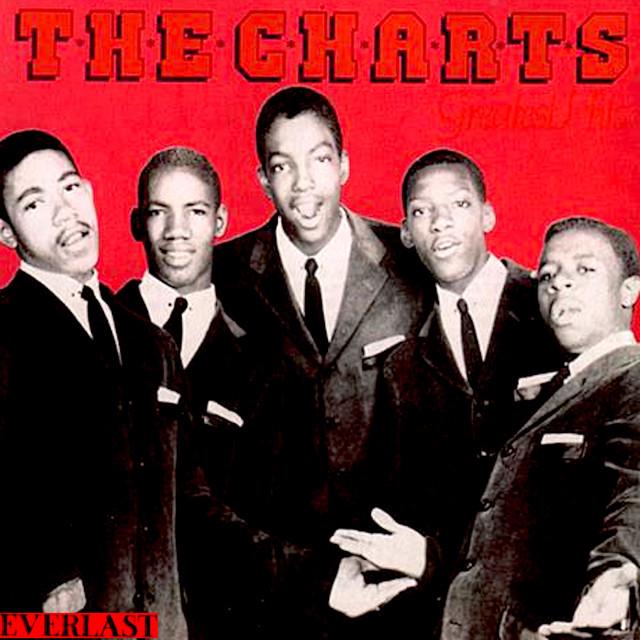
The Charts

Pop
Latin Pop
Soul
 Viberate Rank: 226438
 Viberate Rank: 226438
 Monthly ListenersFollowers
 Subscribers
 Followers
 Followers
 FansTop Spotify Songs
| Track | 7-Day Streams | |
|---|---|---|
1 | 3.52K | |
2 | 617 | |
3 | 549 | |
4 | 515 | |
5 | 441 |
Top YouTube VideosMonthly ListenersFeatured in Playlists| Playlist | Followers | |
|---|---|---|
1 | Doo Wop Classics Drew Kellerman | 48.05K |
2 | The Best Lowrider Oldies🎶 Moniique143 | 26.16K |
3 | Top 100 Doo Wop Hits 1953-1964 Hunter Pratt | 19.88K |
4 | "Perfect" Songs of All Genres, According to Various Forums (In NO Particular Order) For The Music Aficionados | 17.87K |
5 | 50s 60s Oldies Sean McKenzie | 16.78K |
Audience| City | Monthly Listeners | |
|---|---|---|
1 | | 376 |
2 | | 140 |
3 | | 138 |
4 | | 117 |
5 | | 111 |
See full performance history, audience data, playlist activity, rankings, comparisons, and more in Viberate music analytics. Start with a free trial, then continue with a paid plan.
The Charts’ Spotify BioThe Charts' 1957 hit "Deserie" endures as a doo wop classic, despite the fact that it failed to chart. Formed in 1956, the Harlem-born group -- led by lead vocalist Joseph Grier and featuring Leroy Binns, Ross Buford, and Glenmore Jackson -- were managed by musician Les Cooper, a native of Norfolk, VA, who had previously been a member of the Empires and the Whirlers, and by the mid-'50s was already a longtime scenemaker on New York's doo wop scene.
Cooper scored the Harlem quintet a contract with Danny Robinson's Everlast imprint and they recorded their only hit, "Deserie," the following year. It was covered by the Blue Angels for Del-Fi's Selma imprint on the West Coast. After a few more 45s for Everlast, the Charts disbanded in 1958. Cooper eventually cut a hit single with his own group, the Soul Rockers, in 1962. The vocal A-side was "Dig Yourself," but the major hit was the instrumental B-side, "Wiggle Wobble," which featured a prominent King Curtis-styled tenor sax performance by… former-Charts lead singer Grier. ~ Bryan Thomas, Rovi
Viberate is a music analytics platform built for A&Rs, artist managers, labels, booking agents, marketers, and artists.
It helps music professionals track artist growth, analyze audience data, monitor playlist activity, compare artists, follow song performance, and identify opportunities across the music market.
Public artist pages provide a free preview of selected artist data. Paid plans provide access to deeper analytics, historical data, charts, comparisons, playlist tools, exports, alerts, reports, and additional professional features.
Yes. Public Viberate artist pages provide selected artist analytics and music data for free.
Viberate also offers a 7-day free trial of the full platform. A credit card is required to start the trial. The trial includes access to the complete product so users can test deeper artist analytics, historical views, playlist insights, comparisons, charts, exports, alerts, and reporting features before choosing a paid plan.
Viberate provides artist analytics across streaming, playlists, social media, video, radio airplay, songs, and audience markets.
Users can analyze Spotify performance, Spotify and Apple Music playlists, YouTube activity, TikTok and Instagram growth, radio spins, song performance, audience locations, demographics, rankings, and overall artist momentum.
Artist profiles also connect to music charts, similar artists, and comparison tools, helping users benchmark performance and evaluate artists in context.
Viberate updates key artist and track data daily.
For followed artists and tracks, selected data is refreshed multiple times per day. This helps teams monitor playlist changes, streaming movement, audience growth, releases, and campaign performance with more current data.
Update frequency can vary depending on the metric and data source.
Yes. Viberate lets users compare up to five artists side by side across streaming, social media, audience, and engagement metrics.
Users can compare fanbase growth, audience demographics, locations, Spotify performance, social metrics, and other artist data over selected time periods.
Artist comparison can be used for A&R scouting, benchmarking, booking decisions, campaign planning, and evaluating artists with similar audiences or market positions.