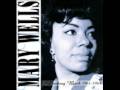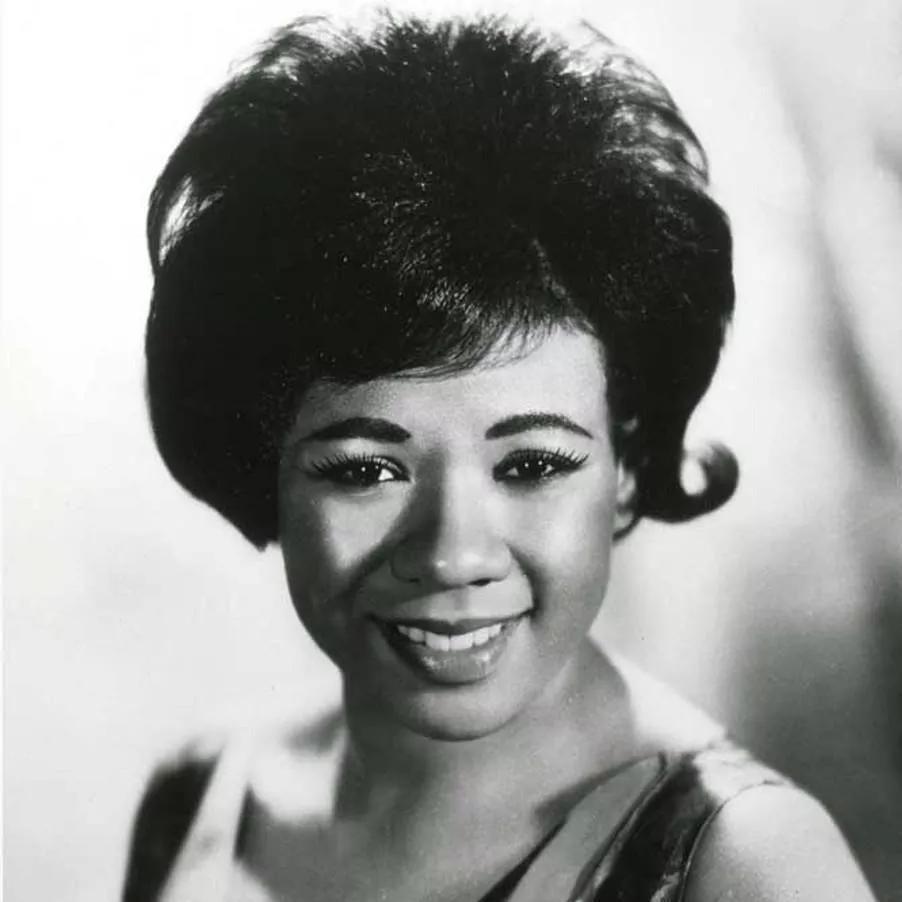
Mary Wells

R&B
Soul
Mainstream Pop
 Viberate Rank: 28852
 Viberate Rank: 28852
 Monthly ListenersFollowers
 Subscribers
 Followers
 Followers
 FansTop Spotify Songs
| Track | 7-Day Streams | |
|---|---|---|
1 | 237.04K | |
2 | 65.32K | |
3 | 64.92K | |
4 | 31.43K | |
5 | 26.80K |
Top YouTube Videos| Video | 7-Day Views | |
|---|---|---|
1 | 13.32K | |
2 | 12.45K | |
3 | 8.11K | |
4 | 6.55K | |
5 | 3.85K |
Monthly ListenersFeatured in Playlists| Playlist | Followers | |
|---|---|---|
1 |  Uplifting Soul Classics Spotify | 1.35M |
2 |  Feel Good Summer Spotify | 609.21K |
3 |  Feel Good Classics Spotify | 565.85K |
4 |  Motown Spotify | 498.37K |
5 |  Easy 60s Spotify | 366.21K |
Audience| City | Monthly Listeners | |
|---|---|---|
1 | | 34.95K |
2 |  | 13.18K |
3 | | 12.94K |
4 | | 11.18K |
5 | | 9.95K |
See full performance history, audience data, playlist activity, rankings, comparisons, and more in Viberate music analytics. Start with a free trial, then continue with a paid plan.
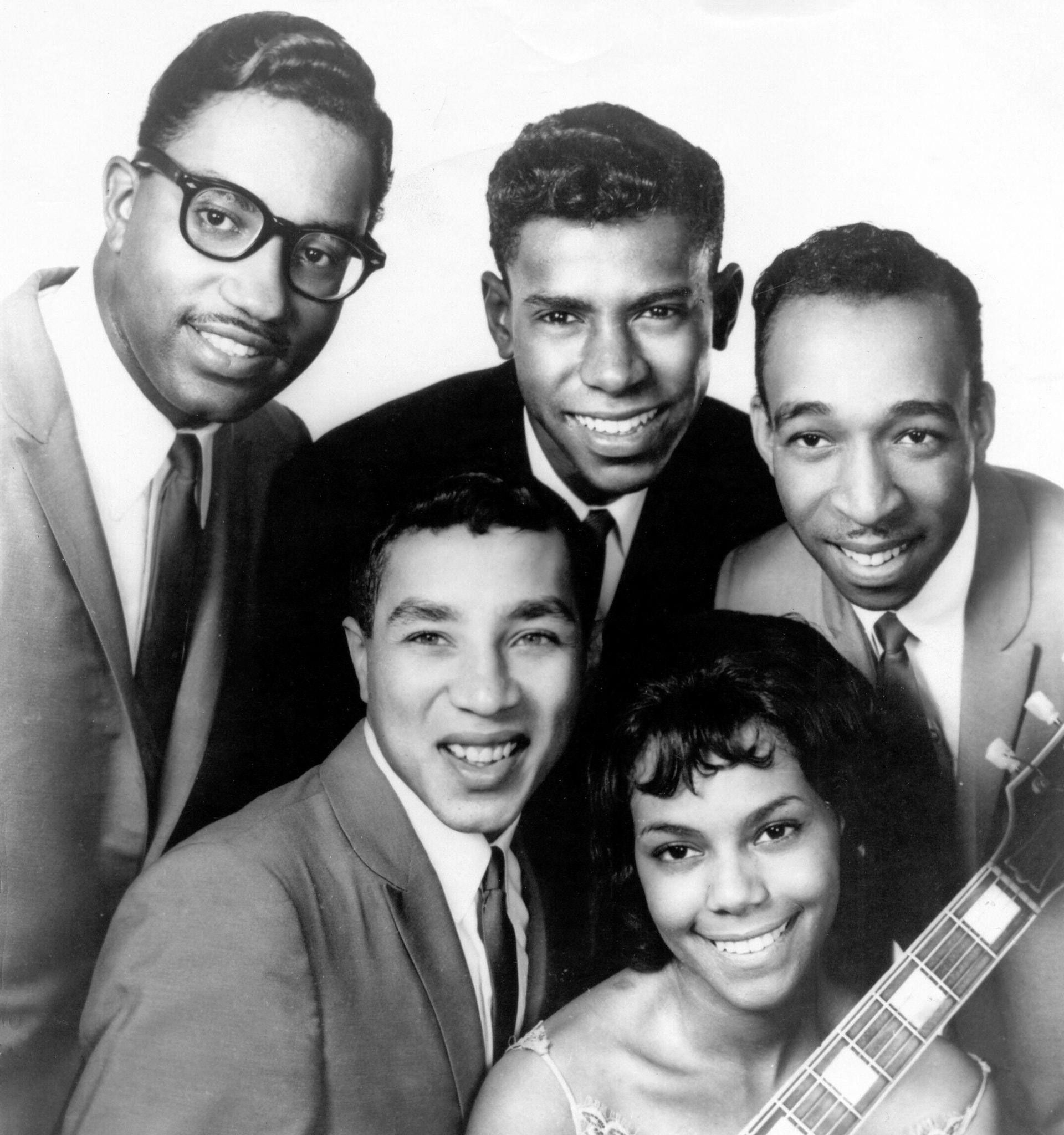
Mary Wells’ Spotify BioTime and legions of other soul superstars have obscured the fact that for a brief moment, Mary Wells was Motown's biggest star. She came to the attention of Berry Gordy as a 17-year-old, hawking a song she'd written for Jackie Wilson; that song, "Bye Bye Baby," became her first Motown hit in 1961. The full-throated approach of that single was quickly toned down in favor of a pop-soul sound. Few other soul singers managed to be as shy and sexy at the same time as Wells (Barbara Lewis is the only other that springs to mind), and the soft-voiced singer found a perfect match with the emerging Motown production team, especially Smokey Robinson. Robinson wrote and produced her biggest Motown hits; "Two Lovers," "You Beat Me to the Punch," and "The One Who Really Loves You" all made the Top Ten in the early '60s, and "My Guy" hit the number one spot in mid-1964, at the very height of Beatlemania.
Mary turned 21 years old as "My Guy" was rising to the top of the charts, and left Motown almost… immediately afterward for a reported advance of several hundred thousand dollars from 20th Century Fox. The circumstances remain cloudy years later, but Wells and her husband-manager felt Motown wasn't coming through with enough money for their new superstar; she was also lured by the prospect of movie roles through 20th Century Fox (which never materialized). It's been rumored that Wells was being groomed for the sort of plans that were subsequently lavished upon Diana Ross; more nefariously, it's also been rumored that Motown quietly discouraged radio stations from playing Wells' subsequent releases. What is certain is that Wells never remotely approached the success of her Motown years, entering the pop Top 40 only once (although she had some R&B hits). Motown, for their part, took care throughout the rest of the '60s not to lose their big stars to larger labels.
Wells' departure from Motown was so dramatic and unsuccessful that it has tended to overshadow the quality of her later work, which has almost always been dismissed as trivial by critics. True, it didn't match the quality of her Motown recordings -- Smokey Robinson could not be replaced. But her '60s singles for 20th Century Fox (whom she ended up leaving after only a year), Atco, and Jubilee were solid pop-soul on which her vocal talents remained undiminished. She wrote and produced a lot of her late-'60s and early-'70s sessions with her second husband, guitarist Cecil Womack (brother of Bobby), and these found her exploring a somewhat earthier groove than her more widely known pop efforts. She had trouble landing recording deals in the '70s and '80s, and succumbed to throat cancer in 1992. ~ Richie Unterberger, Rovi
Viberate is a music analytics platform built for A&Rs, artist managers, labels, booking agents, marketers, and artists.
It helps music professionals track artist growth, analyze audience data, monitor playlist activity, compare artists, follow song performance, and identify opportunities across the music market.
Public artist pages provide a free preview of selected artist data. Paid plans provide access to deeper analytics, historical data, charts, comparisons, playlist tools, exports, alerts, reports, and additional professional features.
Yes. Public Viberate artist pages provide selected artist analytics and music data for free.
Viberate also offers a 7-day free trial of the full platform. A credit card is required to start the trial. The trial includes access to the complete product so users can test deeper artist analytics, historical views, playlist insights, comparisons, charts, exports, alerts, and reporting features before choosing a paid plan.
Viberate provides artist analytics across streaming, playlists, social media, video, radio airplay, songs, and audience markets.
Users can analyze Spotify performance, Spotify and Apple Music playlists, YouTube activity, TikTok and Instagram growth, radio spins, song performance, audience locations, demographics, rankings, and overall artist momentum.
Artist profiles also connect to music charts, similar artists, and comparison tools, helping users benchmark performance and evaluate artists in context.
Viberate updates key artist and track data daily.
For followed artists and tracks, selected data is refreshed multiple times per day. This helps teams monitor playlist changes, streaming movement, audience growth, releases, and campaign performance with more current data.
Update frequency can vary depending on the metric and data source.
Yes. Viberate lets users compare up to five artists side by side across streaming, social media, audience, and engagement metrics.
Users can compare fanbase growth, audience demographics, locations, Spotify performance, social metrics, and other artist data over selected time periods.
Artist comparison can be used for A&R scouting, benchmarking, booking decisions, campaign planning, and evaluating artists with similar audiences or market positions.