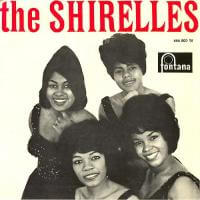
The Shirelles

Pop
Mainstream Pop
Soul
 Viberate Rank: 23454
 Viberate Rank: 23454
 Monthly ListenersFollowers
 Subscribers
 Followers
 Followers
 FansTop Spotify Songs
| Track | 7-Day Streams | |
|---|---|---|
1 | 303.71K | |
2 | 271.31K | |
3 | 131.50K | |
4 | 25.14K | |
5 | 24.35K |
Top YouTube VideosMonthly ListenersFeatured in Playlists| Playlist | Followers | |
|---|---|---|
1 |  Feelin' Good Spotify | 3.58M |
2 |  Feel Good Summer Spotify | 609.20K |
3 |  OLD LOVE SONGS 80's-90's meaghan b. | 503.26K |
4 |  Dirty Dancing Soundtrack Sebastián Galaviz | 458.71K |
5 |  Easy 60s Spotify | 366.21K |
Audience| City | Monthly Listeners | |
|---|---|---|
1 | | 20.90K |
2 |  | 18.89K |
3 |  | 15.03K |
4 | | 14.68K |
5 | | 12.88K |
See full performance history, audience data, playlist activity, rankings, comparisons, and more in Viberate music analytics. Start with a free trial, then continue with a paid plan.
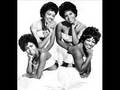
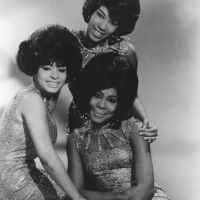
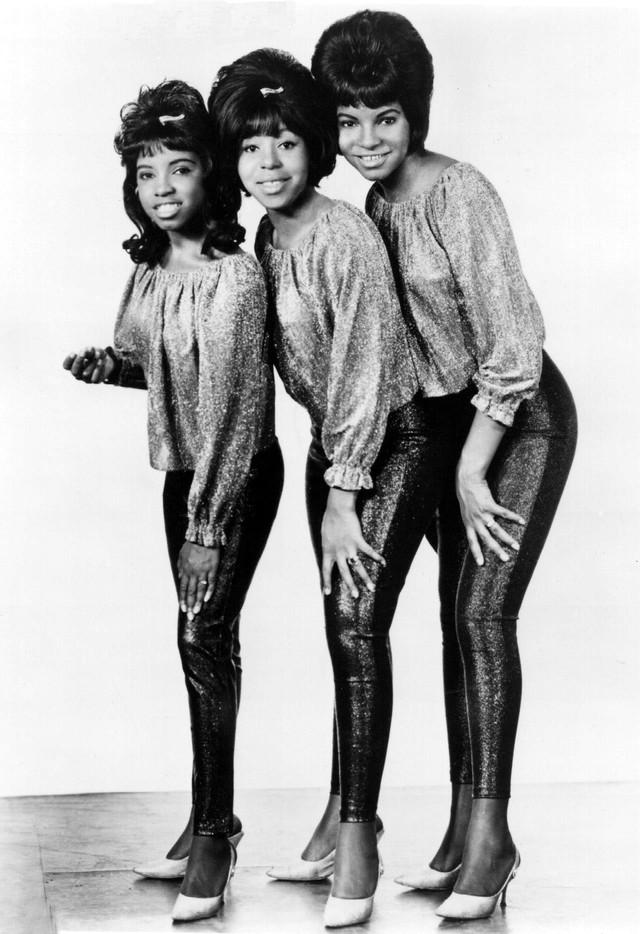
The Shirelles’ Spotify BioThe Shirelles were the first major female vocal group of the rock era, defining the so-called girl group sound with their soft, sweet harmonies and yearning innocence. Their music was a blend of pop/rock and R&B -- especially doo wop and smooth uptown soul -- that appealed to listeners across the board, before Motown ever became a crossover pop phenomenon. Even if the Shirelles were not technically the first of their kind, their success was unprecedented, paving the way for legions of imitators; their inviting musical blueprint had an enduring influence not just on their immediate followers, but on future generations of female pop singers, who often updated the style with a more modern sensibility. What was more, they provided some of the earliest hits for important Brill Building songwriters like Gerry Goffin and Carole King, Burt Bacharach and Hal David, and Van McCoy.
The Shirelles were originally formed in 1958 in Passaic, New Jersey by four high school friends: Doris Coley (later… Doris Kenner-Jackson), Addie "Micki" Harris, Shirley Owens (later Shirley Alston), and Beverly Lee. Christening themselves the Poquellos, the girls wrote a song called "I Met Him on a Sunday" and entered their school talent show with it. A school friend had them audition for her mother, Florence Greenberg, who ran a small record label; she was impressed enough to become the group's manager, and changed their name to the Shirelles by combining frequent lead singer Owens' first name with doo woppers the Chantels. The Shirelles' recording of "I Met Him on a Sunday" was licensed by Decca and climbed into the national Top 50 in 1958. Two more singles flopped, however, and Decca passed on further releases. Greenberg instead signed them to her new label, Scepter Records, and brought in producer Luther Dixon, whose imaginative, sometimes string-heavy arrangements would help shape the group's signature sound.
"Dedicated to the One I Love" (1959) and "Tonight's the Night" (1960) both failed to make much of an impact on the pop charts, although the latter was a Top 20 R&B hit. However, they broke big time with the Goffin-King composition "Will You Love Me Tomorrow." Released in late 1960, it went all the way to number one on the Hot 100, making them the first all-female group of the rock era to accomplish that feat; it also peaked at number two on the R&B chart. Its success helped send a re-release of "Dedicated to the One I Love" into the Top Five on both the pop and R&B charts in 1961, and "Mama Said" did the same. A more R&B-flavored outing, "Big John," also went to number two that year. 1962 continued their run of success, most notably with "Soldier Boy," a Luther Dixon/Florence Greenberg tune that became their second pop number one. They also had a Top Ten pop and R&B hit with "Baby It's You." Unfortunately, Dixon subsequently left the label. The Shirelles managed to score one more pop/R&B Top Ten placement with 1963's "Foolish Little Girl," but found it difficult to maintain their previous level of success.
The group went on to record material for the film It's a Mad, Mad, Mad, Mad World, headlined the first integrated concert show in Alabama, and helped a young Dionne Warwick get some of her first exposure (subbing for Owens and Coley when each took a leave of absence to get married). A money dispute with Scepter tied up their recording schedule for a while in 1964, and although it was eventually settled, the Shirelles were still bound to a label where their run was essentially over. Of course, this was also because of the British Invasion, whose bands were among the first to cover their songs; not only their hits, but lesser-known items like "Boys" (the Beatles) and "Sha La La" (a hit for Manfred Mann). The Shirelles scraped the lower reaches of the charts a few more times, making their last appearance, ironically, with 1967's "Last Minute Miracle." Doris Kenner left the group the following year to concentrate on raising her family, and the remaining Shirelles continued as a trio, cutting singles for Bell, United Artists, and RCA through 1971.
The group continued to tour the oldies circuit, however, and appeared in the 1973 documentary Let the Good Times Roll. Shirley Alston left for a solo career in 1975, upon which point Doris Kenner-Jackson returned. Micki Harris died of a heart attack during a performance in Atlanta on June 10, 1982, upon which point the group went into what turned out to be a temporary retirement. The three remaining charter members recorded together for the last time on a 1983 Dionne Warwick record. Different Shirelles lineups toured the oldies circuit in the '90s, though Beverly Lee eventually secured the official trademark. They were officially inducted into the Rock and Roll Hall of Fame in 1996. Doris Kenner-Jackson passed away after a bout with breast cancer in Sacramento on February 4, 2000. ~ Steve Huey, Rovi
Viberate is a music analytics platform built for A&Rs, artist managers, labels, booking agents, marketers, and artists.
It helps music professionals track artist growth, analyze audience data, monitor playlist activity, compare artists, follow song performance, and identify opportunities across the music market.
Public artist pages provide a free preview of selected artist data. Paid plans provide access to deeper analytics, historical data, charts, comparisons, playlist tools, exports, alerts, reports, and additional professional features.
Yes. Public Viberate artist pages provide selected artist analytics and music data for free.
Viberate also offers a 7-day free trial of the full platform. A credit card is required to start the trial. The trial includes access to the complete product so users can test deeper artist analytics, historical views, playlist insights, comparisons, charts, exports, alerts, and reporting features before choosing a paid plan.
Viberate provides artist analytics across streaming, playlists, social media, video, radio airplay, songs, and audience markets.
Users can analyze Spotify performance, Spotify and Apple Music playlists, YouTube activity, TikTok and Instagram growth, radio spins, song performance, audience locations, demographics, rankings, and overall artist momentum.
Artist profiles also connect to music charts, similar artists, and comparison tools, helping users benchmark performance and evaluate artists in context.
Viberate updates key artist and track data daily.
For followed artists and tracks, selected data is refreshed multiple times per day. This helps teams monitor playlist changes, streaming movement, audience growth, releases, and campaign performance with more current data.
Update frequency can vary depending on the metric and data source.
Yes. Viberate lets users compare up to five artists side by side across streaming, social media, audience, and engagement metrics.
Users can compare fanbase growth, audience demographics, locations, Spotify performance, social metrics, and other artist data over selected time periods.
Artist comparison can be used for A&R scouting, benchmarking, booking decisions, campaign planning, and evaluating artists with similar audiences or market positions.