The Hilltoppers

Rock
Alternative Rock
Pop Rock
 Viberate Rank: 245932
 Viberate Rank: 245932
 Monthly ListenersFollowers
 Subscribers
 Followers
 Followers
 FansTop Spotify Songs
| Track | 7-Day Streams | |
|---|---|---|
1 | 2.35K | |
2 | 642 | |
3 | 642 | |
4 | 642 | |
5 | 642 |
Top YouTube VideosMonthly ListenersFeatured in Playlists| Playlist | Followers | |
|---|---|---|
1 |  Easy 50s Spotify | 179.43K |
2 |  Oldies... Annika Rydell | 16.76K |
3 |  50s love songs natusa | 15.75K |
4 |  El Sótano de Radio 3 Groovyfamily | 9.84K |
5 | 1950s Diner Tom Mason | 4.96K |
Audience| City | Monthly Listeners | |
|---|---|---|
1 |  | 114 |
2 |  | 103 |
3 |  | 89 |
4 |  | 87 |
5 | | 85 |
See full performance history, audience data, playlist activity, rankings, comparisons, and more in Viberate music analytics. Start with a free trial, then continue with a paid plan.
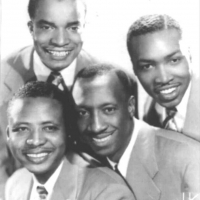
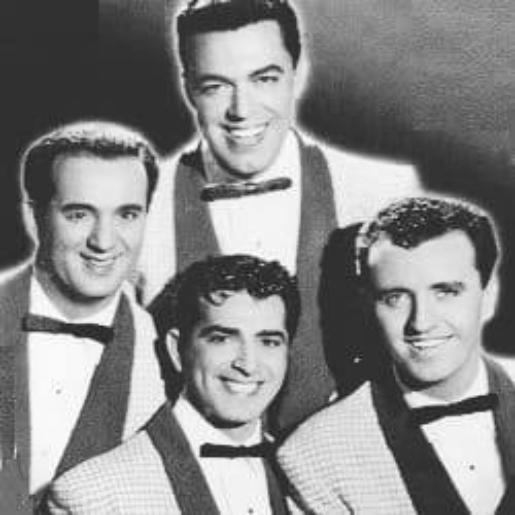
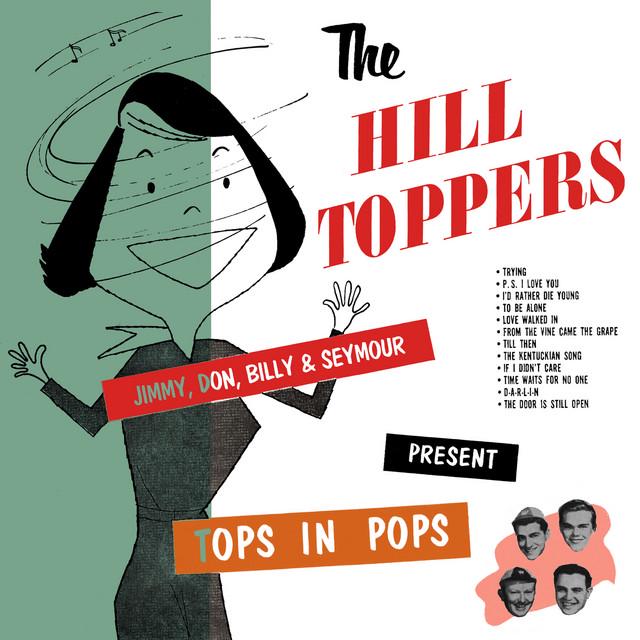
The Hilltoppers’ Spotify BioThe Hilltoppers started out as a vocal trio consisting of Jimmy Sacca, Seymour Spiegelman, and Don McGuire, who were all students together at the Western Kentucky University in the town of Bowling Green. Sacca was acquainted with a pianist by the name of Billy Vaughn, who although considerably older than the trio of friends, fit their vocal style well and was drafted into the group as a full-time member. He brought with him a song he had written called "Tryin," which the foursome recorded and sent the tape to a local radio DJ, who in turn drew it to the attention of Randy Wood, the head of Dot Records in Nashville, Tennessee, who duly signed the Hilltoppers to the Dot label.
The single was a slow burner, breaking region by region but eventually secured a place in the Top Ten, peaking at number seven. They adopted a college look of beanies and letter sweaters that would become their trademark and appeared on Ed Sullivan's The Toast of the Town in October 1952 and followed this with The… Perry Como Show in November as well as appearances with Patti Page, Kate Smith, Sammy Kaye, and Milton Berle. Jimmy Sacca had been called up for military service and the Hilltoppers went into the studio to record a series of tracks that could be released while he was away. After "Tryin," a whole series of hits followed -- "PS I Love You," "I'd Rather Die Young," "To Be Alone," "Love Walked In," "From the Vine Came the Grape," and "Till Then", all Top Tens -- making the Hilltoppers one of the top U.S. vocal groups of the 1950s, but rock & roll was on the way and their clean-cut college look and style were rapidly becoming old-fashioned.
Billy Vaughn also left the group to begin his orchestral solo career in 1955, his place in the Hilltoppers taken by Chuck Schrouder. Vaughn went on to have a very successful chart career beginning with the number two hit "Melody of Love" and including other Top Ten singles "The Shifting Whispering Sands, Pts. 1-2," "Raunchy," and "Sail Along Silvery Moon," while the Hilltoppers adapted their style in an attempt to appeal to mid- to late '50s teenagers and recorded a series of songs that competed with the top vocal group of the late '50s, the Platters -- indeed, one of those songs was "Only You (And You Alone)," composed by Buck Ram for the Platters -- and they also enjoyed their biggest U.S. hit with "Marianne," originally by Terry Gilkyson & the Easy Riders. In the U.K. they only had three hit singles: "Only You," which hit number three in May 1956; a re-release of first recording "Tryin"; and "Marianne" in the spring of 1957. The group remained a fixture of the Dot Records roster for the next decade, finally splitting in 1963. They re-formed briefly in the mid-'70s and remade their biggest hits for ABC-Paramount, continuing to perform until 1975.
After the Hilltoppers broke up, Jimmy Sacca worked for Dot Records in the early '60s before forming a new Hilltoppers group that toured worldwide from 1968 to 1979. In 1979 Sacca and his son established a talent agency. Sacca died in Lexington on March 7, 2015. Seymour Spiegelman also worked for Dot Records, and later for Peter Pan Industries. He died on February 13, 1987 in New York. Billy Vaughn decided not to travel with the group, becoming the music director of Dot Records. He also embarked upon his career as a well-known musician, arranger, and composer, hitting the charts in 1954 with the instrumental "Melody of Love" as the Billy Vaughn Orchestra. He died on September 26, 1991 in Escondido, California. Don McGuire started a real estate business in Lexington, and also worked as Western Kentucky University's liaison with the state legislature. The last remaining member of the original Hilltoppers, he died on September 7, 2018. ~ Sharon Mawer, Rovi
Viberate is a music analytics platform built for A&Rs, artist managers, labels, booking agents, marketers, and artists.
It helps music professionals track artist growth, analyze audience data, monitor playlist activity, compare artists, follow song performance, and identify opportunities across the music market.
Public artist pages provide a free preview of selected artist data. Paid plans provide access to deeper analytics, historical data, charts, comparisons, playlist tools, exports, alerts, reports, and additional professional features.
Yes. Public Viberate artist pages provide selected artist analytics and music data for free.
Viberate also offers a 7-day free trial of the full platform. A credit card is required to start the trial. The trial includes access to the complete product so users can test deeper artist analytics, historical views, playlist insights, comparisons, charts, exports, alerts, and reporting features before choosing a paid plan.
Viberate provides artist analytics across streaming, playlists, social media, video, radio airplay, songs, and audience markets.
Users can analyze Spotify performance, Spotify and Apple Music playlists, YouTube activity, TikTok and Instagram growth, radio spins, song performance, audience locations, demographics, rankings, and overall artist momentum.
Artist profiles also connect to music charts, similar artists, and comparison tools, helping users benchmark performance and evaluate artists in context.
Viberate updates key artist and track data daily.
For followed artists and tracks, selected data is refreshed multiple times per day. This helps teams monitor playlist changes, streaming movement, audience growth, releases, and campaign performance with more current data.
Update frequency can vary depending on the metric and data source.
Yes. Viberate lets users compare up to five artists side by side across streaming, social media, audience, and engagement metrics.
Users can compare fanbase growth, audience demographics, locations, Spotify performance, social metrics, and other artist data over selected time periods.
Artist comparison can be used for A&R scouting, benchmarking, booking decisions, campaign planning, and evaluating artists with similar audiences or market positions.