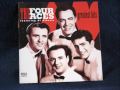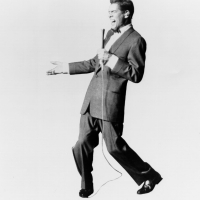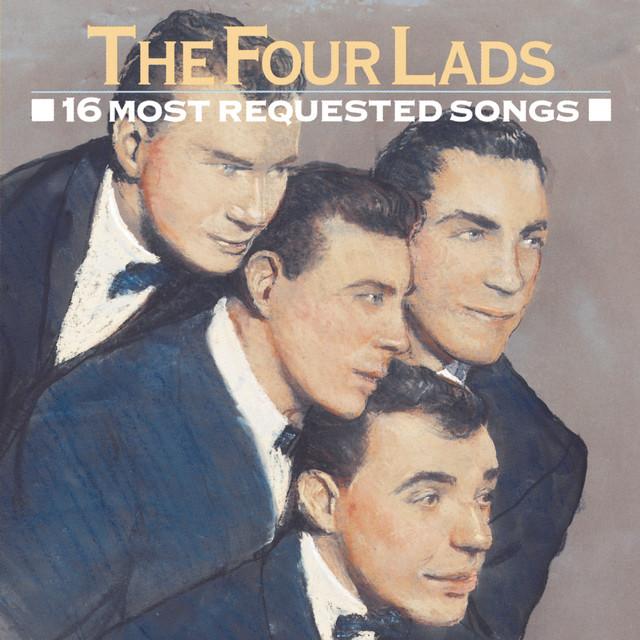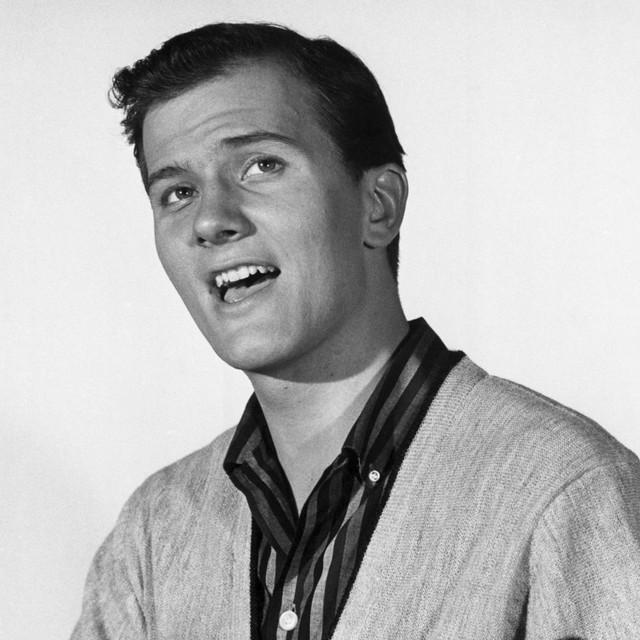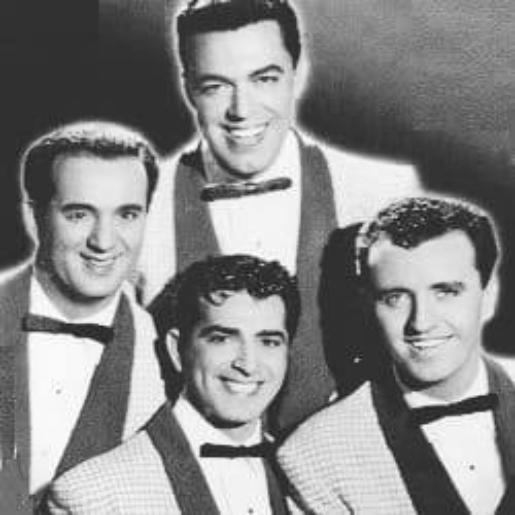
The Four Aces

Jazz
Swing
Soul
 Viberate Rank: 76004
 Viberate Rank: 76004
 Monthly ListenersFollowers
 Subscribers
 Followers
 Followers
 FansTop Spotify Songs
| Track | 7-Day Streams | |
|---|---|---|
1 | 18.98K | |
2 | 14.95K | |
3 | 12.91K | |
4 | 7.23K | |
5 | 5.30K |
Top YouTube VideosMonthly ListenersFeatured in Playlists| Playlist | Followers | |
|---|---|---|
1 | Swing Classics davidpatrickgeier | 44.32K |
2 |  Essential Classics Essential Classics | 31.39K |
3 | Swing katrin-emde | 29.95K |
4 |  1950's/Early 1960's Playlist Anthony Battaglia | 25.93K |
5 |  1950s hits (300) mervynvankuyen | 24.29K |
Audience| City | Monthly Listeners | |
|---|---|---|
1 |  | 2.09K |
2 |  | 1.36K |
3 |  | 1.25K |
4 | | 1.19K |
5 |  | 1.11K |
See full performance history, audience data, playlist activity, rankings, comparisons, and more in Viberate music analytics. Start with a free trial, then continue with a paid plan.
The Four Aces’ Spotify BioOne of the most successful pre-rock vocal groups, the Four Aces did well during the early '50s with a narrow range of pop material but burned out before decade's end. Founded by Navy shipmates Al Alberts and Dave Mahoney, the act added Lou Silvestri and Sol Vaccaro before making a name for themselves around their native Philadelphia. After failing to find a distributor for their debut single "(It's No) Sin," Alberts founded his own Victoria label to release it. The song became a big hit in late 1951 and sold a million copies. Signed to Decca before the end of the year, their debut single for the label, "Tell Me Why," just barely missed the top of the charts and sold a million copies as well. A few Top Ten hits followed during the early '50s before the theme to Three Coins in the Fountain hit number one in 1954. Another movie theme, "Love Is a Many-Splendored Thing," spent over a month at the top during 1955.
For several singles during 1955, the group had been billed as the Four Aces… Featuring Al Alberts; one year later, he departed for a solo career (but never even reached the charts). Along with the rise of rock & roll, the Four Aces appeared to be doomed. They scraped the charts with a novelty song ("Bahama Mama") and a rock take-off ("Rock and Roll Rhapsody") but failed to come through with any hits after 1959. Al Alberts continued to perform into the '80s, leading a newer edition of the act. ~ John Bush, Rovi
Viberate is a music analytics platform built for A&Rs, artist managers, labels, booking agents, marketers, and artists.
It helps music professionals track artist growth, analyze audience data, monitor playlist activity, compare artists, follow song performance, and identify opportunities across the music market.
Public artist pages provide a free preview of selected artist data. Paid plans provide access to deeper analytics, historical data, charts, comparisons, playlist tools, exports, alerts, reports, and additional professional features.
Yes. Public Viberate artist pages provide selected artist analytics and music data for free.
Viberate also offers a 7-day free trial of the full platform. A credit card is required to start the trial. The trial includes access to the complete product so users can test deeper artist analytics, historical views, playlist insights, comparisons, charts, exports, alerts, and reporting features before choosing a paid plan.
Viberate provides artist analytics across streaming, playlists, social media, video, radio airplay, songs, and audience markets.
Users can analyze Spotify performance, Spotify and Apple Music playlists, YouTube activity, TikTok and Instagram growth, radio spins, song performance, audience locations, demographics, rankings, and overall artist momentum.
Artist profiles also connect to music charts, similar artists, and comparison tools, helping users benchmark performance and evaluate artists in context.
Viberate updates key artist and track data daily.
For followed artists and tracks, selected data is refreshed multiple times per day. This helps teams monitor playlist changes, streaming movement, audience growth, releases, and campaign performance with more current data.
Update frequency can vary depending on the metric and data source.
Yes. Viberate lets users compare up to five artists side by side across streaming, social media, audience, and engagement metrics.
Users can compare fanbase growth, audience demographics, locations, Spotify performance, social metrics, and other artist data over selected time periods.
Artist comparison can be used for A&R scouting, benchmarking, booking decisions, campaign planning, and evaluating artists with similar audiences or market positions.