Flat Duo Jets

Rock
Rockabilly
Garage Rock
Indie Rock
 Viberate Rank: 212658
 Viberate Rank: 212658
 Monthly ListenersFollowers
 Subscribers
 Followers
 Followers
 FansTop Spotify Songs
| Track | 7-Day Streams | |
|---|---|---|
1 | 1.10K | |
2 | 1.06K | |
3 | 601 | |
4 | 320 | |
5 | 172 |
Top YouTube VideosMonthly ListenersFeatured in Playlists| Playlist | Followers | |
|---|---|---|
1 |  El Sótano de Radio 3 Groovyfamily | 9.84K |
2 |  The Sound of Garage Rock The Sounds of Spotify | 3.56K |
3 |  Garage, Surf, Punk & Rock and Roll Die Windrose | 3.55K |
4 |  The Sound of Punk Blues The Sounds of Spotify | 3.52K |
5 |  DAS Xmas Playlist: 2025 dashole | 3.41K |
Audience| City | Monthly Listeners | |
|---|---|---|
1 | | 214 |
2 |  | 183 |
3 |  | 144 |
4 | | 140 |
5 | | 130 |
See full performance history, audience data, playlist activity, rankings, comparisons, and more in Viberate music analytics. Start with a free trial, then continue with a paid plan.
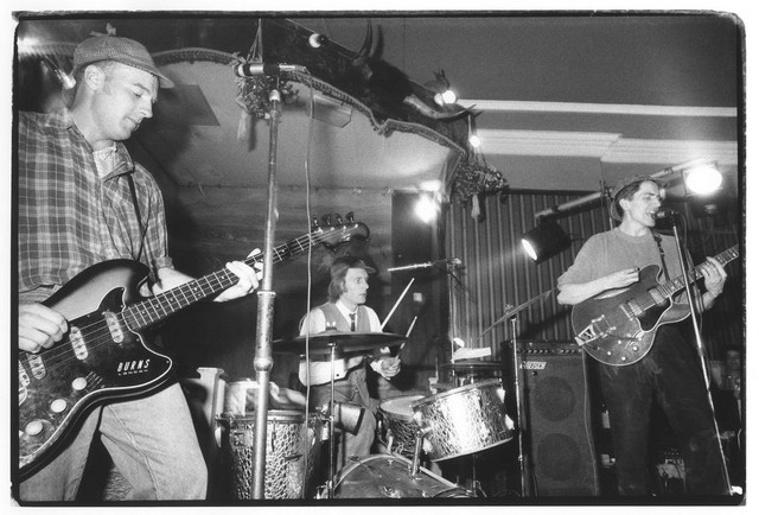
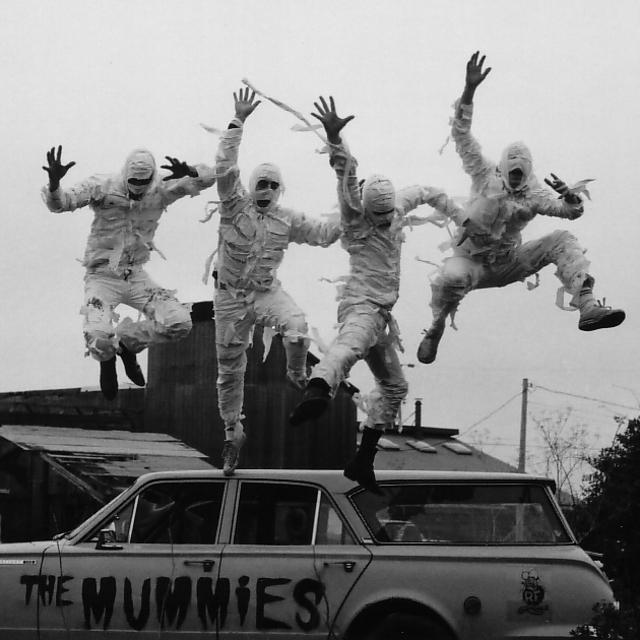
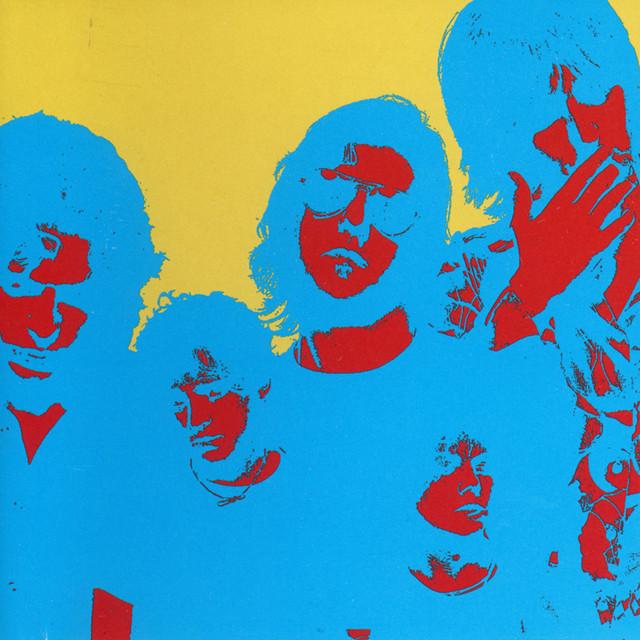
Flat Duo Jets’ Spotify BioRetro-rockabilly maniacs Flat Duo Jets paired singer/guitarist Dexter Romweber and drummer Chris "Crow" Smith; though based throughout much of their career in Chapel Hill, North Carolina, the duo first gained widespread exposure appearing live in the 1986 music documentary Athens, GA: Inside/Out. Despite critical acclaim, they did not issue their self-titled debut LP until 1990, resurfacing a year later with Go Go Harlem Baby. Indie-label stalwarts throughout the course of records including 1992's In Stereo, 1993's White Trees, and 1996's Red Tango, Flat Duo Jets finally signed to major-label Outpost to release Lucky Eye in 1998; however, the group disbanded the following year. Two Headed Cow, a live soundtrack to the Dexter Romweber/Flat Duo Jets documentary of the same name, was released in 2008, nearly ten years after the band broke up. ~ Jason Ankeny, Rovi
Viberate is a music analytics platform built for A&Rs, artist managers, labels, booking agents, marketers, and artists.
It helps music professionals track artist growth, analyze audience data, monitor playlist activity, compare artists, follow song performance, and identify opportunities across the music market.
Public artist pages provide a free preview of selected artist data. Paid plans provide access to deeper analytics, historical data, charts, comparisons, playlist tools, exports, alerts, reports, and additional professional features.
Yes. Public Viberate artist pages provide selected artist analytics and music data for free.
Viberate also offers a 7-day free trial of the full platform. A credit card is required to start the trial. The trial includes access to the complete product so users can test deeper artist analytics, historical views, playlist insights, comparisons, charts, exports, alerts, and reporting features before choosing a paid plan.
Viberate provides artist analytics across streaming, playlists, social media, video, radio airplay, songs, and audience markets.
Users can analyze Spotify performance, Spotify and Apple Music playlists, YouTube activity, TikTok and Instagram growth, radio spins, song performance, audience locations, demographics, rankings, and overall artist momentum.
Artist profiles also connect to music charts, similar artists, and comparison tools, helping users benchmark performance and evaluate artists in context.
Viberate updates key artist and track data daily.
For followed artists and tracks, selected data is refreshed multiple times per day. This helps teams monitor playlist changes, streaming movement, audience growth, releases, and campaign performance with more current data.
Update frequency can vary depending on the metric and data source.
Yes. Viberate lets users compare up to five artists side by side across streaming, social media, audience, and engagement metrics.
Users can compare fanbase growth, audience demographics, locations, Spotify performance, social metrics, and other artist data over selected time periods.
Artist comparison can be used for A&R scouting, benchmarking, booking decisions, campaign planning, and evaluating artists with similar audiences or market positions.