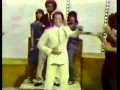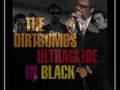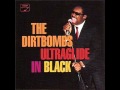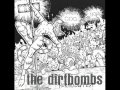
The Dirtbombs

Rock
Garage Rock
 Viberate Rank: 141536
 Viberate Rank: 141536
 Monthly ListenersFollowers
 Subscribers
 Followers
 Followers
 FansTop Spotify Songs
| Track | 7-Day Streams | |
|---|---|---|
1 | 2.90K | |
2 | 2.90K | |
3 | 2.61K | |
4 | 1.57K | |
5 | 1.57K |
Top YouTube VideosMonthly ListenersFeatured in Playlists| Playlist | Followers | |
|---|---|---|
1 |  The Sound of Everything The Sounds of Spotify | 53.81K |
2 |  🐁 avalon emerson's 9000 dreams in the Perpetual Emotional Machine✨ avalon emerson | 12.79K |
3 |  black people created rock btw 𝖈ece ˖°🦇ִ ࣪ | 11.07K |
4 |  El Sótano de Radio 3 Groovyfamily | 9.84K |
5 |  ALL DJ KICKS R. Aguilera | 7.27K |
Audience| City | Monthly Listeners | |
|---|---|---|
1 |  | 494 |
2 | | 370 |
3 | | 325 |
4 |  | 315 |
5 | | 294 |
See full performance history, audience data, playlist activity, rankings, comparisons, and more in Viberate music analytics. Start with a free trial, then continue with a paid plan.
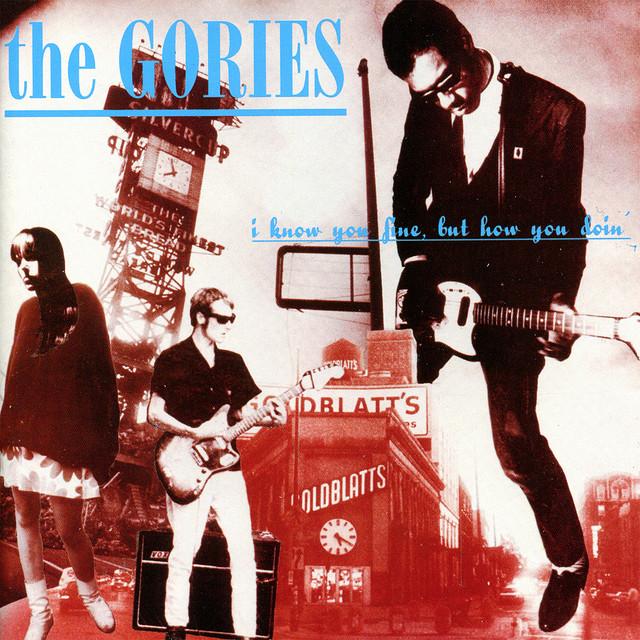
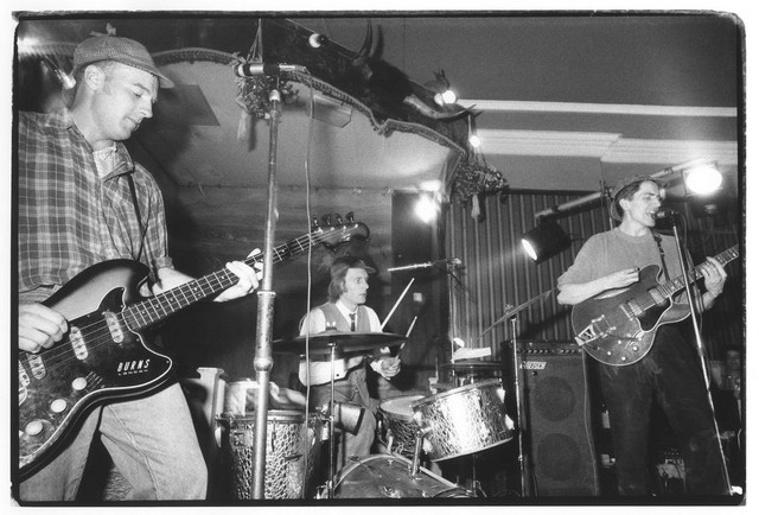
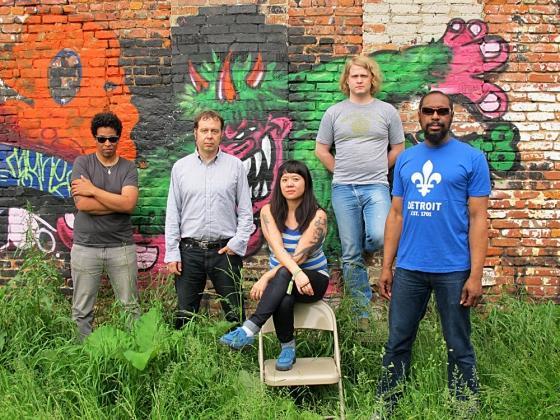
The Dirtbombs’ Spotify BioOne of Mick Collins' many post-Gories projects, the Dirtbombs initially seemed to exist more in concept than in reality. As if in reaction to the bass-less sound of the Gories, the Detroit-based band brought together two drummers, two bass players, and Collins on vocals and guitar. And other than consistently loud volumes and lots of noise, the Dirtbombs actually displayed a surprisingly diverse sound, composing across a broad spectrum of styles from garage rock, punk, and glam to classic soul and R&B. They began primarily as a 7" band, issuing five singles before Larry Hardy of In the Red convinced them to record a full-length, 1998's Horndog Fest. After issuing another handful of singles, the Dirtbombs released their sophomore album, Ultraglide in Black, in May 2001. An album devoted to vintage R&B covers, Ultraglide in Black won the band a growing following in Europe, aided by frequent overseas touring (including a jaunt with the White Stripes). Collins and company returned to a… tougher, more rock-oriented sound for 2003's Dangerous Magical Noise, and came back in 2005 with Billiards at Nine Thirty, a split album with King Khan & the Shrines. That same May, In the Red released If You Don't Already Have a Look, a two-disc compilation that featured 52 tracks comprised of cover tunes, singles, and six new songs.
By this point, the Dirtbombs' revolving lineup had more or less solidified around Collins, drummers Ben Blackwell and Pat Pantano, and bassists Ko Shih and Troy Gregory. The quintet continued to tour, licensed their music for use in several commercials, and returned to the studio in fall 2006 to begin working on a new release. Although originally intended to be a four-song EP, the project soon turned into the band's fourth full-length effort. Entitled We Have You Surrounded, it was released in February 2008. Following this the band released singles for In the Red and Cass, Collins took time to play with a reunited Gories, and the bandmembers plotted their next move. When it came, it was a surprise to many. Released in 2011, Party Store reflected Collins' love of the electronic sounds of his hometown and featured the band tackling songs by the techno scene's founding fathers (Juan Atkins, Derrick May), innovators (Carl Craig), and hitmakers (Inner City) in their inimitable style. For their next trick, the band fulfilled Collins' dream of recording an album that reflected his lifelong love of bubblegum music. Ooey Gooey Chewy Ka-Blooey! was released by In the Red in fall of 2013. ~ Alex Zorn & Tim Sendra, Rovi
Viberate is a music analytics platform built for A&Rs, artist managers, labels, booking agents, marketers, and artists.
It helps music professionals track artist growth, analyze audience data, monitor playlist activity, compare artists, follow song performance, and identify opportunities across the music market.
Public artist pages provide a free preview of selected artist data. Paid plans provide access to deeper analytics, historical data, charts, comparisons, playlist tools, exports, alerts, reports, and additional professional features.
Yes. Public Viberate artist pages provide selected artist analytics and music data for free.
Viberate also offers a 7-day free trial of the full platform. A credit card is required to start the trial. The trial includes access to the complete product so users can test deeper artist analytics, historical views, playlist insights, comparisons, charts, exports, alerts, and reporting features before choosing a paid plan.
Viberate provides artist analytics across streaming, playlists, social media, video, radio airplay, songs, and audience markets.
Users can analyze Spotify performance, Spotify and Apple Music playlists, YouTube activity, TikTok and Instagram growth, radio spins, song performance, audience locations, demographics, rankings, and overall artist momentum.
Artist profiles also connect to music charts, similar artists, and comparison tools, helping users benchmark performance and evaluate artists in context.
Viberate updates key artist and track data daily.
For followed artists and tracks, selected data is refreshed multiple times per day. This helps teams monitor playlist changes, streaming movement, audience growth, releases, and campaign performance with more current data.
Update frequency can vary depending on the metric and data source.
Yes. Viberate lets users compare up to five artists side by side across streaming, social media, audience, and engagement metrics.
Users can compare fanbase growth, audience demographics, locations, Spotify performance, social metrics, and other artist data over selected time periods.
Artist comparison can be used for A&R scouting, benchmarking, booking decisions, campaign planning, and evaluating artists with similar audiences or market positions.