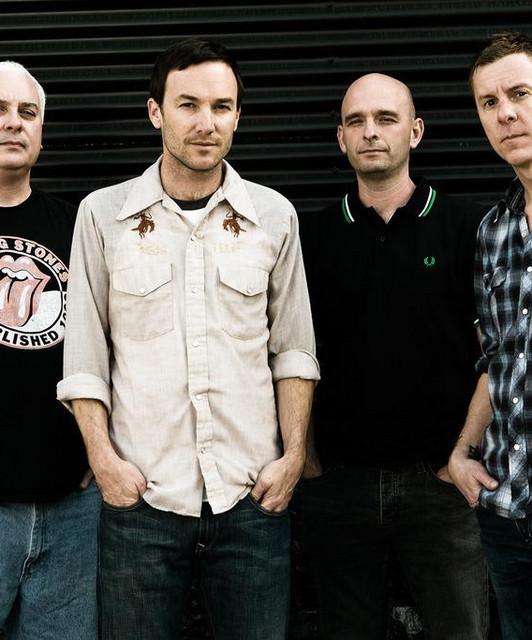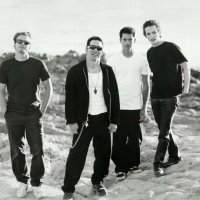
The Flys

Punk
Punk Rock
Alternative Rock
Pop Punk
 Viberate Rank: 81167
 Viberate Rank: 81167
 Monthly ListenersFollowers
 Subscribers
 Followers
 Followers
 FansTop Spotify Songs
| Track | 7-Day Streams | |
|---|---|---|
1 | 130.19K | |
2 | 8.27K | |
3 | 1.90K | |
4 | 1.26K | |
5 | 972 |
Top YouTube VideosMonthly ListenersFeatured in Playlists| Playlist | Followers | |
|---|---|---|
1 | Classic Rock Greatest Hits Scott Pruden | 341.38K |
2 |  pov: the final girl Spotify | 161.17K |
3 | Best '90s Rock Playlist LUMA | 129.09K |
4 |  90's Nostalgia & 2000 Throw Backs! Major | 88.50K |
5 |  ROCK 90S INGLES 1297361113 | 84.22K |
Audience| City | Monthly Listeners | |
|---|---|---|
1 | | 5.50K |
2 |  | 5.41K |
3 | | 4.61K |
4 | | 3.90K |
5 | | 3.89K |
See full performance history, audience data, playlist activity, rankings, comparisons, and more in Viberate music analytics. Start with a free trial, then continue with a paid plan.
The Flys’ Spotify BioThe beginnings of Hollywood-based rockers the Flys lay in informal jam sessions between eventual members James Book (bass), Peter Perdichizzi (guitar), Adam Paskowitz (vocals), and Nicky Lucero (drums). Eventually another singer/rapper, Joshua Paskowitz, joined, and the band found themselves signed to Trauma Records. By merging alt-rock and post-grunge with retro sounds, the Flys took a far more original approach than the majority of other late-'90s alternative bands. Prior to the August 1998 release of their debut album, Holiday Man, the band had already appeared on the soundtrack for the movie Disturbing Behavior and played at the Bethel/Woodstock site for the A Day at the Garden show. The Flys' sophomore album, Outta My Way, which featured the hit single "Losin' It," followed in the spring of 2000, but by 2002 the band had gone on indefinite hiatus. ~ Greg Prato, Rovi
Viberate is a music analytics platform built for A&Rs, artist managers, labels, booking agents, marketers, and artists.
It helps music professionals track artist growth, analyze audience data, monitor playlist activity, compare artists, follow song performance, and identify opportunities across the music market.
Public artist pages provide a free preview of selected artist data. Paid plans provide access to deeper analytics, historical data, charts, comparisons, playlist tools, exports, alerts, reports, and additional professional features.
Yes. Public Viberate artist pages provide selected artist analytics and music data for free.
Viberate also offers a 7-day free trial of the full platform. A credit card is required to start the trial. The trial includes access to the complete product so users can test deeper artist analytics, historical views, playlist insights, comparisons, charts, exports, alerts, and reporting features before choosing a paid plan.
Viberate provides artist analytics across streaming, playlists, social media, video, radio airplay, songs, and audience markets.
Users can analyze Spotify performance, Spotify and Apple Music playlists, YouTube activity, TikTok and Instagram growth, radio spins, song performance, audience locations, demographics, rankings, and overall artist momentum.
Artist profiles also connect to music charts, similar artists, and comparison tools, helping users benchmark performance and evaluate artists in context.
Viberate updates key artist and track data daily.
For followed artists and tracks, selected data is refreshed multiple times per day. This helps teams monitor playlist changes, streaming movement, audience growth, releases, and campaign performance with more current data.
Update frequency can vary depending on the metric and data source.
Yes. Viberate lets users compare up to five artists side by side across streaming, social media, audience, and engagement metrics.
Users can compare fanbase growth, audience demographics, locations, Spotify performance, social metrics, and other artist data over selected time periods.
Artist comparison can be used for A&R scouting, benchmarking, booking decisions, campaign planning, and evaluating artists with similar audiences or market positions.