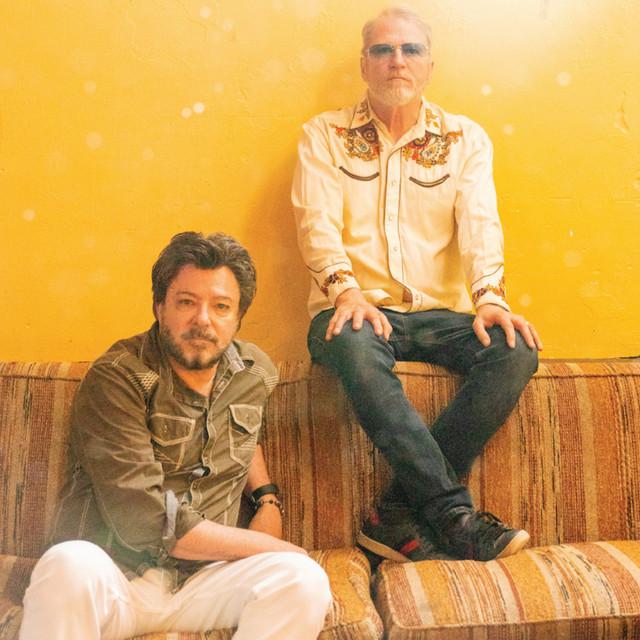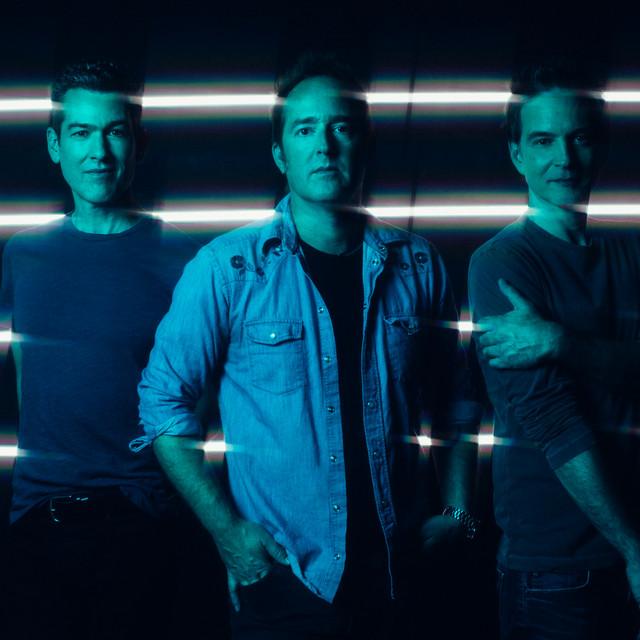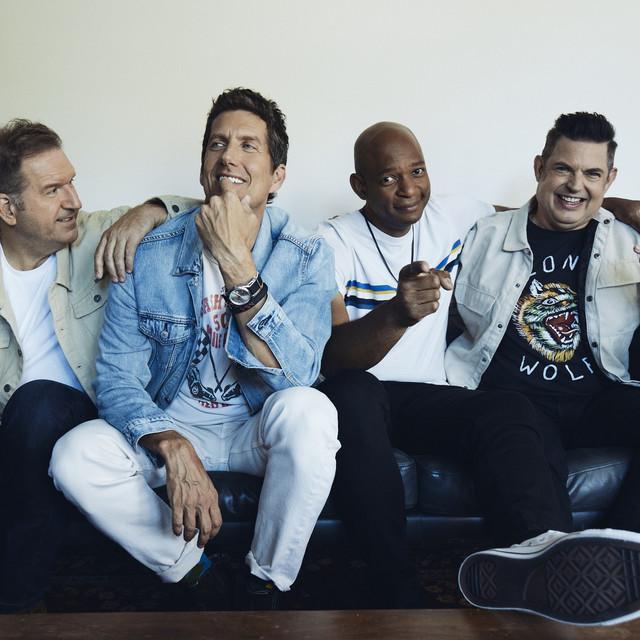
Better Than Ezra

Rock
Alternative Rock
Pop Rock
 Viberate Rank: 22558
 Viberate Rank: 22558
 Monthly ListenersFollowers
 Subscribers
 Followers
 Followers
 FansTop Spotify Songs
| Track | 7-Day Streams | |
|---|---|---|
1 | 260.55K | |
2 | 165.73K | |
3 | 19.06K | |
4 | 15.20K | |
5 | 13.89K |
Top YouTube VideosMonthly ListenersFeatured in Playlists| Playlist | Followers | |
|---|---|---|
1 |  90s Pop Rock Spotify | 1.53M |
2 | Best '90s Alternative Playlist Ever jasonrb | 795.66K |
3 |  Rock Drive Spotify | 621.82K |
4 |  90’s Bangers chris_topher_ | 368.68K |
5 | Classic Rock Greatest Hits Scott Pruden | 341.42K |
Audience| City | Monthly Listeners | |
|---|---|---|
1 | | 20.60K |
2 |  | 18.09K |
3 | | 15.00K |
4 | | 14.49K |
5 | | 13.82K |
See full performance history, audience data, playlist activity, rankings, comparisons, and more in Viberate music analytics. Start with a free trial, then continue with a paid plan.
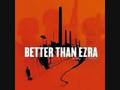
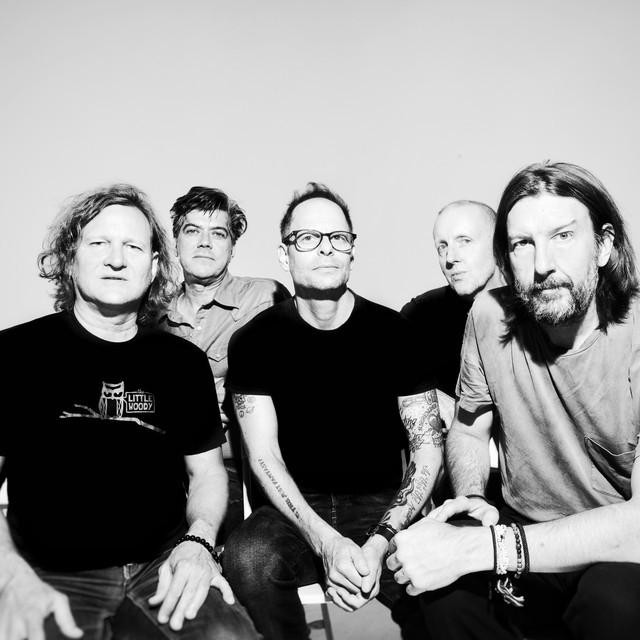
Better Than Ezra’s Spotify BioVeterans of the college rock scene of the late 1980s, Better Than Ezra received their big break during the alt-rock explosion of the '90s -- a fitting scenario, as the New Orleans group melds the tunefulness of '80s jangle pop with the muscle of grunge. This fusion brought Better Than Ezra to the top of the modern rock charts in 1995 when "Good" became a post-grunge staple. A handful of other hits -- "In the Blood," also from their major-label debut Deluxe, plus "King of New Orleans" and "Desperately Wanting" from their second, Friction, Baby -- appeared before the group transitioned from major label to independent status early in the 2000s. Better Than Ezra spent the next decades regularly touring and recording, occasionally shining the spotlight on their '90s work but keeping their focus on new albums such as 2024's Super Magick.
Originally formed in 1988 as a roots rock outfit with slight elements of country and punk, the group's first incarnation consisted of four college students… from Louisiana State University: Kevin Griffin (vocals, guitar), Joel Rundell (guitar), Tom Drummond (bass), and Cary Bonnecaze (drums). The band's early performances were expectedly held at college bars and fraternity houses, and their debut cassette-tape recording, 1990's Surprise, received positive press and comparisons to such alt-punk stalwarts as the Replacements and Dinosaur Jr. Despite these accolades, Better Than Ezra's future was thrust into doubt when Rundell died by suicide on August 8, 1990.
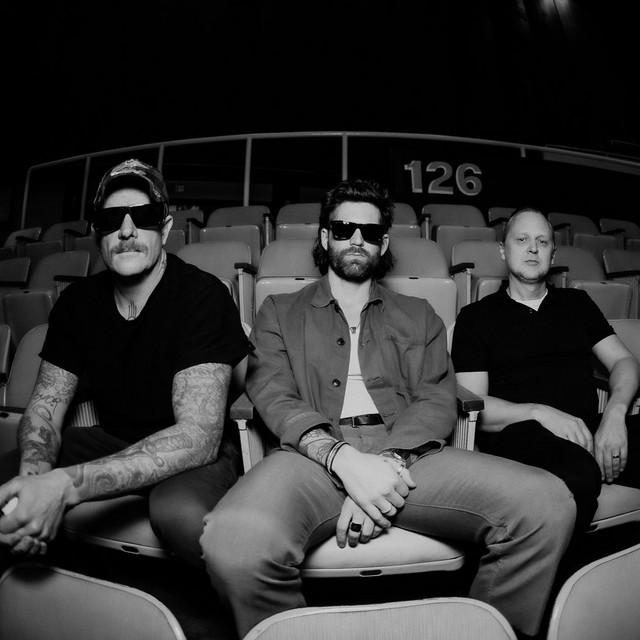
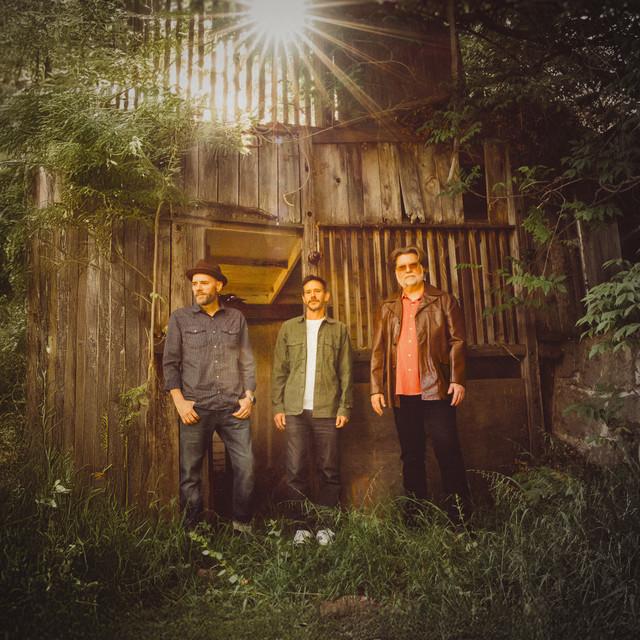
The remaining bandmates initially opted to go their separate ways after Rundell's passing, but they reunited as a trio before the end of the year. Deciding that a change of scenery would be helpful, Better Than Ezra relocated to Los Angeles shortly thereafter, where they laid down tracks at a friend's home studio to create their 1993 independent release, Deluxe. The album continued to raise the band's profile and eventually drew the attention of several major labels. The trio signed with Elektra Records, and Better Than Ezra's new label reissued Deluxe two years after its original release. The album spawned their biggest international radio hit with "Good," which helped push the album to platinum status by the end of 1995. But despite enjoying a hit right off the bat, Bonnecaze opted to leave the group in early 1996 and was replaced by a fellow New Orleans native (who, at the time, was living in San Francisco), Travis McNabb.
Shortly after welcoming their new member into the fold, the revised Better Than Ezra entered the recording studio to work on their second major-label release, 1996's Friction, Baby. Although the album was musically similar to its predecessor, it failed to match the commercial success of Deluxe and departed rather quickly from the charts, with the singles "Desperately Wanting" and "King of New Orleans" only achieving modest rotation on modern rock radio. The group proceeded to create their own recording studio in New Orleans (dubbed Fudge Studios), where they recorded 1998's How Does Your Garden Grow? The album failed to reestablish the group as a commercially viable rock act, and Better Than Ezra parted ways with Elektra before issuing a compilation of rare tracks, Artifakt, through their official website.
Undeterred, the trio then signed with the independent Beyond Music label and issued their next release, Closer, in 2001. "Extra Ordinary" fared well on several charts, but Beyond Music declared bankruptcy before the band could issue a second single. Understandably, Better Than Ezra took a break before resurfacing in 2004 with a live album documenting a hometown show at the House of Blues. A greatest-hits collection was issued the following year, but to the delight of the group's devoted fan base (the "Ezralites"), Better Than Ezra were not finished. After signing with the New York-based Artemis Records, the band released Before the Robots in May 2005 and departed for a summer-long tour. Drummer Travis McNabb left the lineup four years later, having been recruited to join the country duo Sugarland instead, and Better Than Ezra tapped Michael Jerome as his replacement before unveiling their seventh album, Plays Paper Empire in 2009.
Borne from the fact that Griffin was intent on only releasing further Better Than Ezra material if he thought that it would be an essential addition to their canon, a hiatus ensued. During this period, he kept his focus on music, but concentrated on writing material for other artists such as James Blunt, Barenaked Ladies, and the aforementioned Sugarland. Then, following sessions with Tony Hoffer -- the Grammy-nominated producer who had previously worked with many acts including Beck and Belle and Sebastian -- Better Than Ezra announced that they planned to release an eighth studio album in September 2014 entitled All Together Now. Their highest-charting effort since 1993's breakthrough Deluxe, the Tony Hoffer-produced set included the singles "Crazy Lucky" and "Gonna Get Better."
In 2018, the band commemorated the 25th anniversary of their debut by releasing the single "Grateful" and a vinyl-only reissue of Deluxe. Better Than Ezra celebrated the 25th anniversary of Friction, Baby by playing the complete album at a pair of August 2021 shows at the House of Blues New Orleans. They'd return later in the year playing Closer in its entirety. After touring in 2022, the group headed into the studio to record their ninth album. Super Magick appeared on Round Hill Records in May, 2024. ~ Greg Prato, Rovi
Viberate is a music analytics platform built for A&Rs, artist managers, labels, booking agents, marketers, and artists.
It helps music professionals track artist growth, analyze audience data, monitor playlist activity, compare artists, follow song performance, and identify opportunities across the music market.
Public artist pages provide a free preview of selected artist data. Paid plans provide access to deeper analytics, historical data, charts, comparisons, playlist tools, exports, alerts, reports, and additional professional features.
Yes. Public Viberate artist pages provide selected artist analytics and music data for free.
Viberate also offers a 7-day free trial of the full platform. A credit card is required to start the trial. The trial includes access to the complete product so users can test deeper artist analytics, historical views, playlist insights, comparisons, charts, exports, alerts, and reporting features before choosing a paid plan.
Viberate provides artist analytics across streaming, playlists, social media, video, radio airplay, songs, and audience markets.
Users can analyze Spotify performance, Spotify and Apple Music playlists, YouTube activity, TikTok and Instagram growth, radio spins, song performance, audience locations, demographics, rankings, and overall artist momentum.
Artist profiles also connect to music charts, similar artists, and comparison tools, helping users benchmark performance and evaluate artists in context.
Viberate updates key artist and track data daily.
For followed artists and tracks, selected data is refreshed multiple times per day. This helps teams monitor playlist changes, streaming movement, audience growth, releases, and campaign performance with more current data.
Update frequency can vary depending on the metric and data source.
Yes. Viberate lets users compare up to five artists side by side across streaming, social media, audience, and engagement metrics.
Users can compare fanbase growth, audience demographics, locations, Spotify performance, social metrics, and other artist data over selected time periods.
Artist comparison can be used for A&R scouting, benchmarking, booking decisions, campaign planning, and evaluating artists with similar audiences or market positions.