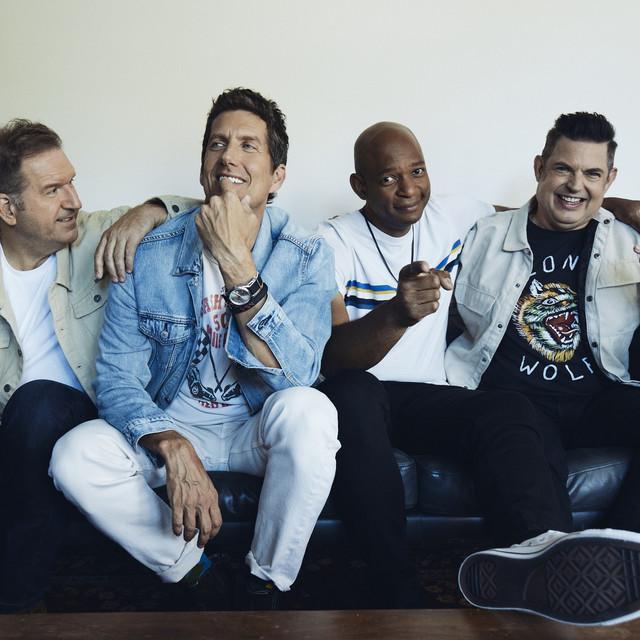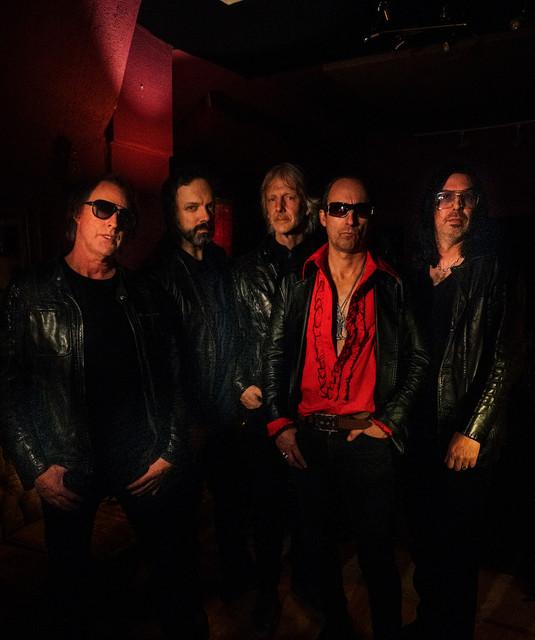
Sponge

Rock
Alternative Rock
Hard Rock
 Viberate Rank: 58174
 Viberate Rank: 58174
 Monthly ListenersFollowers
 Subscribers
 Followers
 Followers
 FansTop Spotify Songs
| Track | 7-Day Streams | |
|---|---|---|
1 | 73.63K | |
2 | 22.46K | |
3 | 14.88K | |
4 | 9.89K | |
5 | 4.06K |
Top YouTube Videos| Video | 7-Day Views | |
|---|---|---|
1 | 2.29K | |
2 | 2.09K | |
3 | 656 | |
4 | 549 | |
5 | 348 |
Monthly ListenersFeatured in Playlists| Playlist | Followers | |
|---|---|---|
1 |  Grunge Forever Spotify | 1.78M |
2 |  90s ALT ROCK Filtr US | 687.27K |
3 |  90s Rock Drive Spotify | 532.85K |
4 | Classic Rock Greatest Hits Scott Pruden | 341.38K |
5 | 90's Grunge/Rock prevypicklebear | 328.23K |
Audience| City | Monthly Listeners | |
|---|---|---|
1 | | 6.14K |
2 | | 4.46K |
3 | | 4.03K |
4 | | 3.46K |
5 | | 3.43K |
See full performance history, audience data, playlist activity, rankings, comparisons, and more in Viberate music analytics. Start with a free trial, then continue with a paid plan.
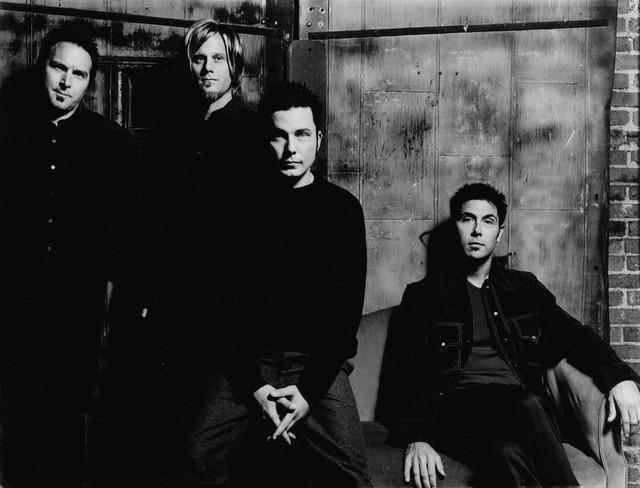
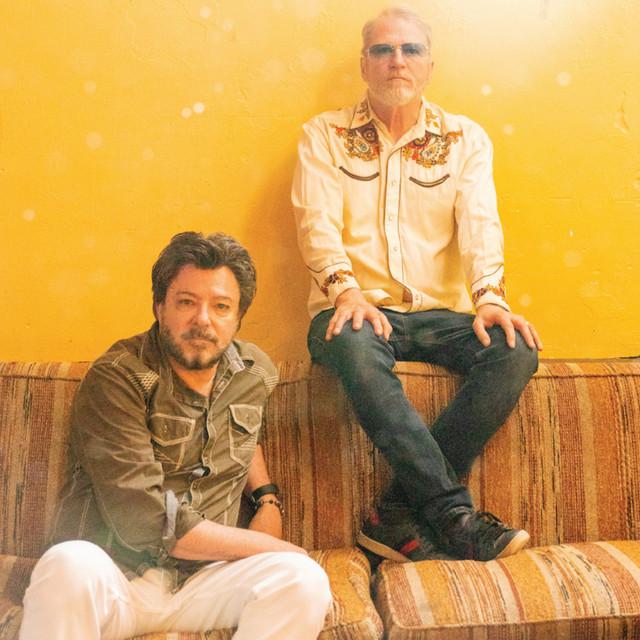
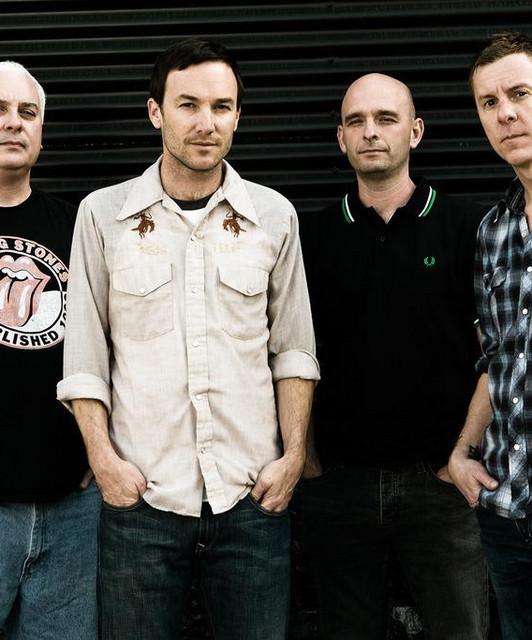
Sponge’s Spotify BioWith their versatile blend of classic hard rock and punchy alt-pop with a thin metal veneer, Motor City rockers Sponge caught fire during the post-grunge boom of the mid-'90s with modern rock radio hits like "Plowed" and "Molly (Sixteen Candles)." Despite being wrapped in the fuzzy guitars and brooding intensity that typified grunge music, the band had a knack for jangly riffs and catchy, anthemic hard rock hooks. Sponge hit their commercial peak in 1996 with the release of their sophomore effort, Wax Ecstatic which, like their 1994 debut Rotting Pinata, went gold. While the band's popularity waned as tastes changed, they continued to forge ahead with hard-hitting efforts like Galore Galore (2007), Stop the Bleeding (2013), and Lavatorium (2021). Their sonic attack remained largely uniform, but founder and frontman Vinnie Dombrowski would serve as Sponge's sole constant member throughout their tenure.
Sponge grew out of a Detroit-based hard rock act called Loudhouse, which released an… album on the Virgin label in 1988 before losing its record contract and disbanding shortly thereafter. Drummer-turned-vocalist Vinnie Dombrowski (born Mark Dombrowski) and guitarists Mike Cross and Joey Mazzola regrouped as Sponge in 1992, adding Mike's brother Tim Cross on bass and Jimmy Paluzzi on drums. Adapting their '70s hard rock influences to fit the grunge zeitgeist, the bandmates earned a major-label deal with Columbia and released their debut album, Rotting Pinata, in late 1994.
Initially, critics compared Sponge to Stone Temple Pilots, but alternative radio embraced the band's first two singles: the driving rocker "Plowed" and the jangly, introspective "Molly (Sixteen Candles)." A third single, "Rainin'," also earned airplay, and Rotting Pinata went gold; meanwhile, Sponge went on tour as Live's opening act. With new drummer Charlie Grover in tow, their 1996 follow-up album, Wax Ecstatic, was a more diverse affair, rediscovering some of the band's roots in arena rock, British glam, and jangle pop. Even though singles like "Wax Ecstatic (To Sell Angelina)," "I Am Anastasia," and "Have You Seen Mary" enjoyed radio airplay, Columbia was dissatisfied with the sales figures and dropped Sponge once the album left the charts.
Undaunted, Sponge signed a new deal with the Beyond label, which released the more classicist New Pop Sunday in 1999. It attracted little commercial attention, and more personnel shifts ensued. Tired of touring, the Cross brothers both left and were replaced by guitarist Kurt Marschke and bassist Tim Krukowski; Billy Adams also came on board as the new drummer. After several years of recharging -- during which time Dombrowski played in several Detroit-area side projects -- Sponge returned with For All the Drugs in the World in 2003 and The Man in 2005. Dombrowski reworked the lineup once again, this time adding guitarists Kyle Neely and Andy Patalan, before returning again to the studio in 2007 to record Galore Galore for Bellum Records.
Two years later, there was another lineup shift -- Tim Patalan became the group's bassist -- and they released an EP called Destroy the Boy. A full-length called Stop the Bleeding arrived four years later on Three One Three Records; the LP contained all of the 2009 EP plus new songs, including a twisted cover of Jim Croce's "Time in a Bottle." In 2017, the band partnered with Michigan Brewers and PledgeMusic for their eighth full-length outing, The Beer Sessions, which Dombrowski called "a celebration of independent music and incredible Michigan beer." In 2021 the band issued their ninth full-length effort, Lavatorium, which included the fiery single "Stitch," the well-timed ballad "Socially Distant," and an all-new recording of their signature hit "Plowed." Original guitarist Mike Cross died on March 6, 2022 at the age of 57. ~ Steve Huey, Rovi
Viberate is a music analytics platform built for A&Rs, artist managers, labels, booking agents, marketers, and artists.
It helps music professionals track artist growth, analyze audience data, monitor playlist activity, compare artists, follow song performance, and identify opportunities across the music market.
Public artist pages provide a free preview of selected artist data. Paid plans provide access to deeper analytics, historical data, charts, comparisons, playlist tools, exports, alerts, reports, and additional professional features.
Yes. Public Viberate artist pages provide selected artist analytics and music data for free.
Viberate also offers a 7-day free trial of the full platform. A credit card is required to start the trial. The trial includes access to the complete product so users can test deeper artist analytics, historical views, playlist insights, comparisons, charts, exports, alerts, and reporting features before choosing a paid plan.
Viberate provides artist analytics across streaming, playlists, social media, video, radio airplay, songs, and audience markets.
Users can analyze Spotify performance, Spotify and Apple Music playlists, YouTube activity, TikTok and Instagram growth, radio spins, song performance, audience locations, demographics, rankings, and overall artist momentum.
Artist profiles also connect to music charts, similar artists, and comparison tools, helping users benchmark performance and evaluate artists in context.
Viberate updates key artist and track data daily.
For followed artists and tracks, selected data is refreshed multiple times per day. This helps teams monitor playlist changes, streaming movement, audience growth, releases, and campaign performance with more current data.
Update frequency can vary depending on the metric and data source.
Yes. Viberate lets users compare up to five artists side by side across streaming, social media, audience, and engagement metrics.
Users can compare fanbase growth, audience demographics, locations, Spotify performance, social metrics, and other artist data over selected time periods.
Artist comparison can be used for A&R scouting, benchmarking, booking decisions, campaign planning, and evaluating artists with similar audiences or market positions.