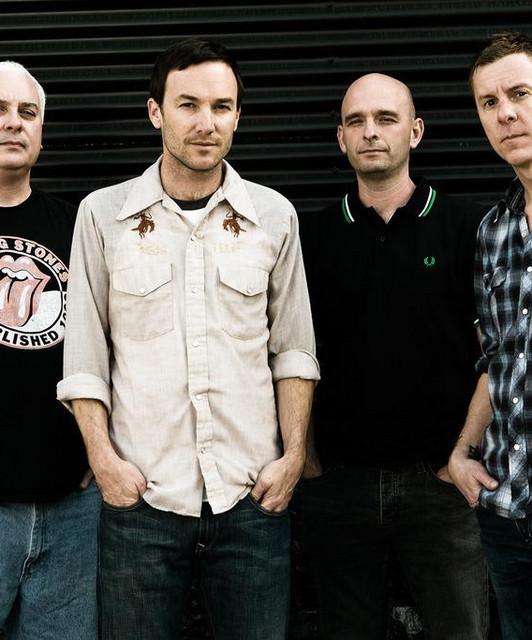
Oleander

Rock
Alternative Rock
 Viberate Rank: 70617
 Viberate Rank: 70617
 Monthly ListenersFollowers
 Subscribers
 Followers
 Followers
 FansTop Spotify Songs
| Track | 7-Day Streams | |
|---|---|---|
1 | 52.58K | |
2 | 36.22K | |
3 | 5.69K | |
4 | 4.72K | |
5 | 2.53K |
Top YouTube Videos| Video | 7-Day Views | |
|---|---|---|
1 | 3.65K | |
2 | 1.10K | |
3 | 661 | |
4 | 630 | |
5 | 629 |
Monthly ListenersFeatured in Playlists| Playlist | Followers | |
|---|---|---|
1 | Best '90s Alternative Playlist Ever jasonrb | 795.03K |
2 |  Post-Grunge Society Spotify | 626.62K |
3 | Classic Rock Greatest Hits Scott Pruden | 341.38K |
4 | 90's Grunge/Rock prevypicklebear | 328.23K |
5 | Best Alternative Rock From the 90's until Now Jose Manuel Lopez Escribano | 91.65K |
Audience| City | Monthly Listeners | |
|---|---|---|
1 | | 4.04K |
2 | | 3.95K |
3 | | 2.90K |
4 | | 2.63K |
5 | | 2.62K |
See full performance history, audience data, playlist activity, rankings, comparisons, and more in Viberate music analytics. Start with a free trial, then continue with a paid plan.
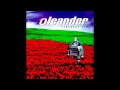
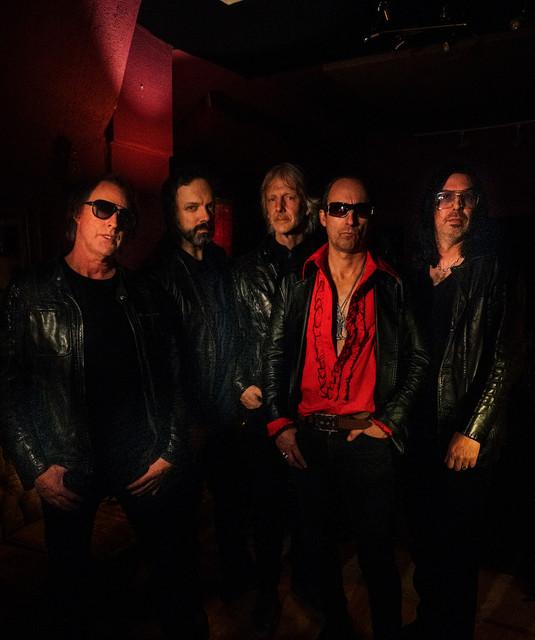
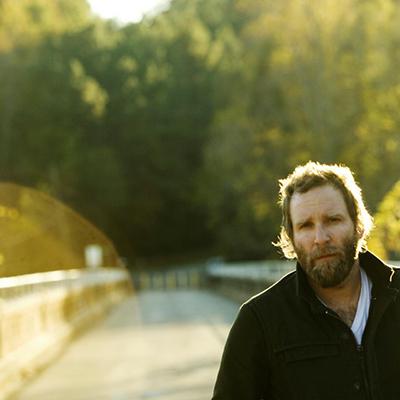
Oleander’s Spotify BioAn alternative pop band from Sacramento, CA, Oleander enjoyed a brief flash of popularity in 1999, when the singles "Why I'm Here" and "I Walk Alone" found a home on mainstream rock radio. The band was originally formed in 1995 by singer/guitarist Thomas Flowers, guitarist Ric Ivanisevich, bassist Doug Eldridge, and drummer Fred Nelson, Jr. Named for the poisonous wildflowers growing throughout the Northern California region, Oleander made their studio debut in 1996 with a self-titled EP; a full-length album, Shrinking the Blob, followed in mid-1997. The latter record launched a local hit with "Down When I'm Loaded," and Oleander parlayed that success into a major-label deal with Universal.
February Son arrived in 1999, sporting the two aforementioned singles as well as a new drummer, Scott Devours. February Son reached gold status by mid-2000, and the band's experimental follow-up effort, Unwind, spawned a Top 40 hit ("Champion") in 2001. Unwind failed to gain much traction beyond its… one single, however, and Oleander were soon sent packing from the Universal label. Signing with Sanctuary Records instead, they issued Joyride in 2003 and received a strong review from Rolling Stone magazine. The album didn't return Oleander to national popularity, however, and the musicians soon began pursuing different projects, effectively breaking up the band in 2004. ~ Andrew Leahey, Rovi
Viberate is a music analytics platform built for A&Rs, artist managers, labels, booking agents, marketers, and artists.
It helps music professionals track artist growth, analyze audience data, monitor playlist activity, compare artists, follow song performance, and identify opportunities across the music market.
Public artist pages provide a free preview of selected artist data. Paid plans provide access to deeper analytics, historical data, charts, comparisons, playlist tools, exports, alerts, reports, and additional professional features.
Yes. Public Viberate artist pages provide selected artist analytics and music data for free.
Viberate also offers a 7-day free trial of the full platform. A credit card is required to start the trial. The trial includes access to the complete product so users can test deeper artist analytics, historical views, playlist insights, comparisons, charts, exports, alerts, and reporting features before choosing a paid plan.
Viberate provides artist analytics across streaming, playlists, social media, video, radio airplay, songs, and audience markets.
Users can analyze Spotify performance, Spotify and Apple Music playlists, YouTube activity, TikTok and Instagram growth, radio spins, song performance, audience locations, demographics, rankings, and overall artist momentum.
Artist profiles also connect to music charts, similar artists, and comparison tools, helping users benchmark performance and evaluate artists in context.
Viberate updates key artist and track data daily.
For followed artists and tracks, selected data is refreshed multiple times per day. This helps teams monitor playlist changes, streaming movement, audience growth, releases, and campaign performance with more current data.
Update frequency can vary depending on the metric and data source.
Yes. Viberate lets users compare up to five artists side by side across streaming, social media, audience, and engagement metrics.
Users can compare fanbase growth, audience demographics, locations, Spotify performance, social metrics, and other artist data over selected time periods.
Artist comparison can be used for A&R scouting, benchmarking, booking decisions, campaign planning, and evaluating artists with similar audiences or market positions.