The Ergs

Punk
Punk Rock
Pop Punk
 Viberate Rank: 280942
 Viberate Rank: 280942
 Monthly ListenersFollowers
 Subscribers
 Followers
 Followers
 FansTop Spotify Songs
| Track | 7-Day Streams | |
|---|---|---|
1 | 1.08K | |
2 | 878 | |
3 | 778 | |
4 | 598 | |
5 | 505 |
Top YouTube VideosMonthly ListenersFeatured in Playlists| Playlist | Followers | |
|---|---|---|
1 | The ULTIMATE Skate Punk and Punk Rock Playlist Pizza with Film | 12.95K |
2 | POPPUNK Kevin McLaughlin | 8.53K |
3 |  Punk Rock Radio Nick Worthington | 4.83K |
4 |  Teenage Anthems Peter van den Hout | 3.59K |
5 | Fat Music for Fat People Sergi Calzada Baños | 3.46K |
Audience| City | Monthly Listeners | |
|---|---|---|
1 | | 251 |
2 | | 208 |
3 | | 188 |
4 | | 174 |
5 | | 103 |
See full performance history, audience data, playlist activity, rankings, comparisons, and more in Viberate music analytics. Start with a free trial, then continue with a paid plan.
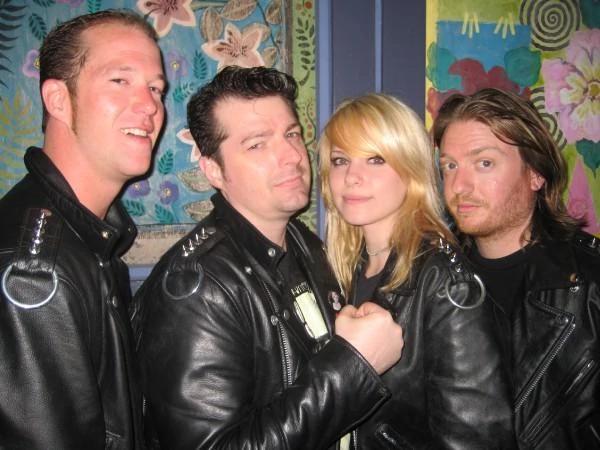
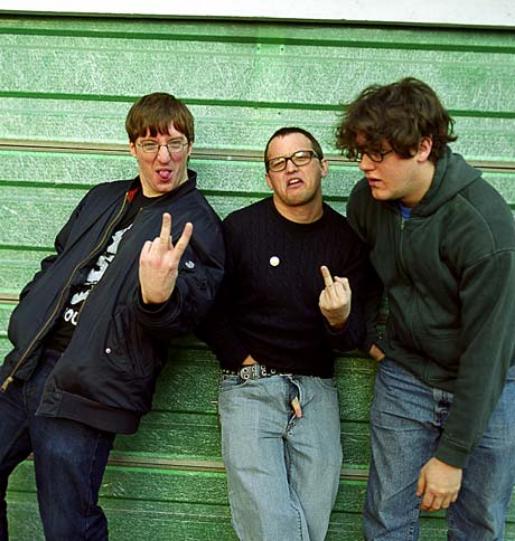
The Ergs’ Spotify BioThree willfully geeky guys from New Jersey who play pop-punk with speed, power, and a mighty smirk (which occasionally belies the fact they sometimes mean what they say), the Ergs (or, as they like to call themselves, "The Near-Sighted Three") came together in 2000, with Jeffrey Erg (Jeff Schroeck) on guitar and vocals, Joey Erg (Joe Keller) on bass, and Mikey Erg (Mike Yannich) on drums and lead vocals. The band wasted no time preserving their music for posterity, putting out two self-released CD-Rs in their first year as a band, but the group first attracted attention outside their peer group with the five-song Three Guys, Twelve Eyes EP, released by the Whoa Oh label in 2001. In a bid to raise their profile by being sued, the Ergs next issued The Ben Kweller EP in 2002. It borrowed the artwork from Kweller's disc EP Phone Home and featured a song poking less-than-charitable fun at the indie rock protégé. In 2003, the Ergs put out their first full-length album, Dorkrockcorkrod, which… earned enthusiastic reviews in the punk press and spread word about the band outside of their home state. After an initial release on Whoa Oh, the album was picked up by Don Giovanni Records, which distributed the Ergs' next EP, 2005's Jersey's Best Prancers (whose title and artwork was a play on the 1997 Lifetime album). In 2006, the group was chosen to back Dave Parasite of The Parasites as he launched a tour to support a Parasites best-of CD, and they signed with Dirtnap Records, which scheduled the band's second full-length album, tentatively called Upstairs/Downstairs, for the spring of 2007. ~ Mark Deming, Rovi
Viberate is a music analytics platform built for A&Rs, artist managers, labels, booking agents, marketers, and artists.
It helps music professionals track artist growth, analyze audience data, monitor playlist activity, compare artists, follow song performance, and identify opportunities across the music market.
Public artist pages provide a free preview of selected artist data. Paid plans provide access to deeper analytics, historical data, charts, comparisons, playlist tools, exports, alerts, reports, and additional professional features.
Yes. Public Viberate artist pages provide selected artist analytics and music data for free.
Viberate also offers a 7-day free trial of the full platform. A credit card is required to start the trial. The trial includes access to the complete product so users can test deeper artist analytics, historical views, playlist insights, comparisons, charts, exports, alerts, and reporting features before choosing a paid plan.
Viberate provides artist analytics across streaming, playlists, social media, video, radio airplay, songs, and audience markets.
Users can analyze Spotify performance, Spotify and Apple Music playlists, YouTube activity, TikTok and Instagram growth, radio spins, song performance, audience locations, demographics, rankings, and overall artist momentum.
Artist profiles also connect to music charts, similar artists, and comparison tools, helping users benchmark performance and evaluate artists in context.
Viberate updates key artist and track data daily.
For followed artists and tracks, selected data is refreshed multiple times per day. This helps teams monitor playlist changes, streaming movement, audience growth, releases, and campaign performance with more current data.
Update frequency can vary depending on the metric and data source.
Yes. Viberate lets users compare up to five artists side by side across streaming, social media, audience, and engagement metrics.
Users can compare fanbase growth, audience demographics, locations, Spotify performance, social metrics, and other artist data over selected time periods.
Artist comparison can be used for A&R scouting, benchmarking, booking decisions, campaign planning, and evaluating artists with similar audiences or market positions.