Bracket

Rock
Pop Rock
Skate Punk
 Viberate Rank: 186832
 Viberate Rank: 186832
 Monthly ListenersFollowers
 Subscribers
 Followers
 Followers
 FansTop Spotify Songs
| Track | 7-Day Streams | |
|---|---|---|
1 | 8.09K | |
2 | 2.51K | |
3 | 1.03K | |
4 | 744 | |
5 | 409 |
Top YouTube VideosMonthly ListenersFeatured in Playlists| Playlist | Followers | |
|---|---|---|
1 | Tony Hawk Pro Skater! bhhsmith | 43.06K |
2 | 12155857677 | 34.56K |
3 |  Tony Hawk's Underground (2003) Avis F | 28.16K |
4 |  100 Best Punk Covers David Medina | 26.99K |
5 | blink-182, Sum 41 and More... Sum dude | 21.20K |
Audience| City | Monthly Listeners | |
|---|---|---|
1 |  | 577 |
2 | | 498 |
3 |  | 439 |
4 | | 429 |
5 | | 423 |
See full performance history, audience data, playlist activity, rankings, comparisons, and more in Viberate music analytics. Start with a free trial, then continue with a paid plan.
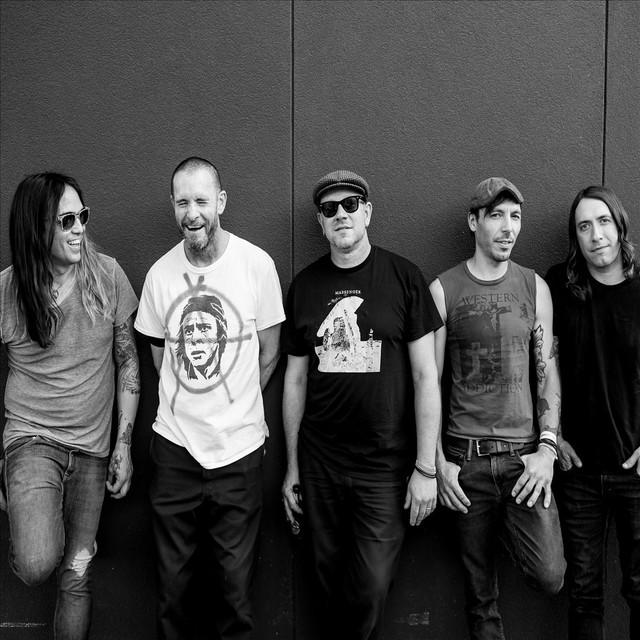
Bracket’s Spotify BioFor more than 25 years, northern California’s Bracket have felt like a square peg in a world of round holes.
The story goes that Bracket were too melodic to be punk, and too punk to be pop. But the band found a home at a haven for misfits, Fat Wreck Chords. The label released Bracket’s early EPs and three albums (1997’s Novelty Forever, 2000’s When All Else Fails, and 2002’s Live in a Dive), and also included Bracket on the massively popular compilations Fat Music for Fat People and Survival of the Fattest.
Bracket went their own way to explore their love of classic pop and Beach Boys harmonies on 2006’s Requiem (Takeover Records), 2014’s Hold Your Applause (self-released), and 2016’s The Last Page (an ambitious 70-minute single song, also self-released). Singer-guitarist Marty Gregori even wrote and recorded an album of string quartet music. But performing at Fat’s 25th anniversary show in 2015 reconnected Bracket and Fat. Too Old to Die Young, Bracket’s ninth full-length, comes from… that reunion.
Too Old to Die Young wrestles with the themes implied by its title, including a wariness that comes from making music for such a long time.
This deep into their career, they’re not overthinking what they write or what they want to accomplish. “Too Old to Die Young—the idea of living fast, dying young—but here we are, we’re in our 40s and still trying to make this kind of music. We’re poking fun at ourselves, basically.”
Viberate is a music analytics platform built for A&Rs, artist managers, labels, booking agents, marketers, and artists.
It helps music professionals track artist growth, analyze audience data, monitor playlist activity, compare artists, follow song performance, and identify opportunities across the music market.
Public artist pages provide a free preview of selected artist data. Paid plans provide access to deeper analytics, historical data, charts, comparisons, playlist tools, exports, alerts, reports, and additional professional features.
Yes. Public Viberate artist pages provide selected artist analytics and music data for free.
Viberate also offers a 7-day free trial of the full platform. A credit card is required to start the trial. The trial includes access to the complete product so users can test deeper artist analytics, historical views, playlist insights, comparisons, charts, exports, alerts, and reporting features before choosing a paid plan.
Viberate provides artist analytics across streaming, playlists, social media, video, radio airplay, songs, and audience markets.
Users can analyze Spotify performance, Spotify and Apple Music playlists, YouTube activity, TikTok and Instagram growth, radio spins, song performance, audience locations, demographics, rankings, and overall artist momentum.
Artist profiles also connect to music charts, similar artists, and comparison tools, helping users benchmark performance and evaluate artists in context.
Viberate updates key artist and track data daily.
For followed artists and tracks, selected data is refreshed multiple times per day. This helps teams monitor playlist changes, streaming movement, audience growth, releases, and campaign performance with more current data.
Update frequency can vary depending on the metric and data source.
Yes. Viberate lets users compare up to five artists side by side across streaming, social media, audience, and engagement metrics.
Users can compare fanbase growth, audience demographics, locations, Spotify performance, social metrics, and other artist data over selected time periods.
Artist comparison can be used for A&R scouting, benchmarking, booking decisions, campaign planning, and evaluating artists with similar audiences or market positions.