Chixdiggit!

Punk
Punk Rock
Skate Punk
 Viberate Rank: 188248
 Viberate Rank: 188248
 Monthly ListenersFollowers
 Subscribers
 Followers
 Followers
 FansTop Spotify Songs
| Track | 7-Day Streams | |
|---|---|---|
1 | 2.67K | |
2 | 1.49K | |
3 | 1.25K | |
4 | 1.12K | |
5 | 1.05K |
Top YouTube VideosMonthly ListenersFeatured in Playlists| Playlist | Followers | |
|---|---|---|
1 |  Best Of Pop Punk Hopeless Records | 41.95K |
2 | 90's era Ska & Punk mix Dick Duffy | 17.34K |
3 | Nasty Mondays Official Playlist nastymondaysofficial | 14.37K |
4 |  Skatepark punk 1990 - 2000 nicklas_2 | 12.88K |
5 | Fat Wreck Chords dcis2cool | 6.32K |
Audience| City | Monthly Listeners | |
|---|---|---|
1 | | 413 |
2 | | 407 |
3 | | 344 |
4 | | 255 |
5 |  | 211 |
See full performance history, audience data, playlist activity, rankings, comparisons, and more in Viberate music analytics. Start with a free trial, then continue with a paid plan.
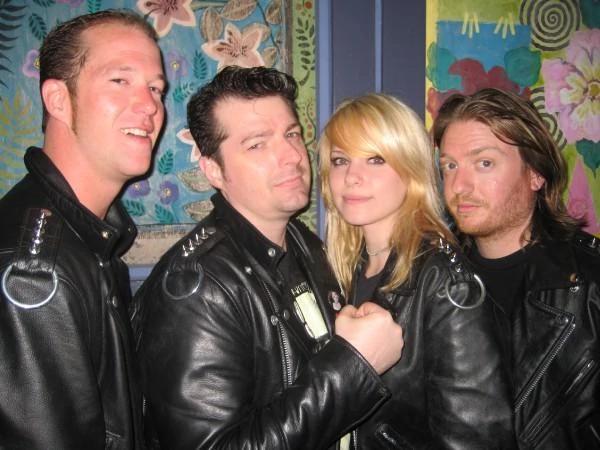
Chixdiggit!’s Spotify BioOriginally using the future band moniker merely as an excuse to sell T-shirts with "Chixdiggit!" in cheesy metal logos, these guys figured that they should at least start a group with that name. So in 1991, without any musical experience or ability to read music, Mark O'Flaherty (guitar), K.J. Jansen (vocals/guitar), and Michael Eggermont (bass) got together with the intention of rocking out Calgary along with the rest of Canada. For the next couple of years to come, Chixdiggit! would go through an array of drummers before settling down with Jason Hirsch the following year.
Armed with a bratty Ramones-influenced pop sound, they took their antics across Canada and the northwestern United States for the next couple years before releasing their first album on Sub-Pop in 1996. Even though the self-titled album was a critical hit and gave them worldly recognition, it didn't go along with the musical direction that Sub-Pop wanted to take. Not too long after Chixdiggit! and the label parted… ways in 1997, they were immediately signed to Honest Don's Records. Their second album, Born on the First of July, was eventually released the next year. Their sophomore effort, From Scene to Shining Scene, was released in mid-2000. While staying true to their pop-punk roots, the band showed some signs of slowing in the 2000s. After a five year break, Pink Razors appeared in April 2005 on Fat Wreck. Following another hiatus, in 2011, the band regrouped for the Safeways Here We Come EP. ~ Mike DaRonco, Rovi
Viberate is a music analytics platform built for A&Rs, artist managers, labels, booking agents, marketers, and artists.
It helps music professionals track artist growth, analyze audience data, monitor playlist activity, compare artists, follow song performance, and identify opportunities across the music market.
Public artist pages provide a free preview of selected artist data. Paid plans provide access to deeper analytics, historical data, charts, comparisons, playlist tools, exports, alerts, reports, and additional professional features.
Yes. Public Viberate artist pages provide selected artist analytics and music data for free.
Viberate also offers a 7-day free trial of the full platform. A credit card is required to start the trial. The trial includes access to the complete product so users can test deeper artist analytics, historical views, playlist insights, comparisons, charts, exports, alerts, and reporting features before choosing a paid plan.
Viberate provides artist analytics across streaming, playlists, social media, video, radio airplay, songs, and audience markets.
Users can analyze Spotify performance, Spotify and Apple Music playlists, YouTube activity, TikTok and Instagram growth, radio spins, song performance, audience locations, demographics, rankings, and overall artist momentum.
Artist profiles also connect to music charts, similar artists, and comparison tools, helping users benchmark performance and evaluate artists in context.
Viberate updates key artist and track data daily.
For followed artists and tracks, selected data is refreshed multiple times per day. This helps teams monitor playlist changes, streaming movement, audience growth, releases, and campaign performance with more current data.
Update frequency can vary depending on the metric and data source.
Yes. Viberate lets users compare up to five artists side by side across streaming, social media, audience, and engagement metrics.
Users can compare fanbase growth, audience demographics, locations, Spotify performance, social metrics, and other artist data over selected time periods.
Artist comparison can be used for A&R scouting, benchmarking, booking decisions, campaign planning, and evaluating artists with similar audiences or market positions.