Digger

Punk
Pop Punk
Skate Punk
 Viberate Rank: 278157
 Viberate Rank: 278157
 Monthly ListenersFollowers
 Subscribers
 Followers
 Followers
 FansTop Spotify Songs
| Track | 7-Day Streams | |
|---|---|---|
1 | 1.33K | |
2 | 524 | |
3 | 516 | |
4 | 411 | |
5 | 325 |
Top YouTube Videos| Video | 7-Day Views | |
|---|---|---|
1 | 16 | |
2 | 13 | |
3 | 8 | |
4 | 5 | |
5 | 5 |
Monthly ListenersFeatured in Playlists| Playlist | Followers | |
|---|---|---|
1 |  PUNK ROCK sebastien.gautier | 8.46K |
2 |  1000+ BEST PUNK COVER SONGS senordinosaur | 3.14K |
3 |  High School: Class of '98 Tegan and Sara | 2.83K |
4 |  Washed Up Emo dot com Washed Up Emo | 2.71K |
5 | 80's metal Jeff jameson | 2.51K |
Audience| City | Monthly Listeners | |
|---|---|---|
1 | | 132 |
2 | | 128 |
3 | | 118 |
4 | | 95 |
5 |  | 94 |
See full performance history, audience data, playlist activity, rankings, comparisons, and more in Viberate music analytics. Start with a free trial, then continue with a paid plan.
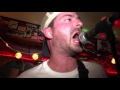
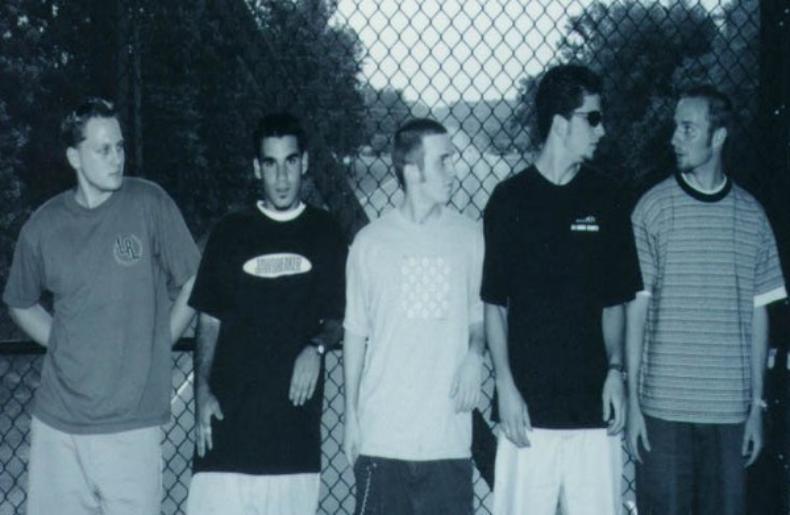
Digger’s Spotify BioLehigh Valley, Pennsylvania-based pop-punk band Digger comprised of singer/guitarist Phil Nelson, singer/guitarist Chris Benner, singer/bassist Matthew Gregorec and drummer Mike Fisher. After coming to the attention of California's Hopeless Records in 1996 following a radio performance on WMUH-NJ, the band inked a deal with the label and made their debut the following year with 'Powerbait'. Rounds of touring took place before the group returned in 1998 with 'The Promise of an Uncertain Future', 'Monte Carlo appeared in early 2000, 'Trainwreck' in May 2001, and 'Keystone' in late 2002. In early 2003, the band was forced to cancel its nationwide tour in support of the record when bassist Ben Stephens and guitarist Garrett Hoskins left to pursue other interests...Benner and then-drummer Mike Kelly looked for replacements. The 'Tattoo Broken Hearts' EP, arrived in April 2003 via Italy's Wynona Records and soon after Digger announced new members Warren Cooke and Tim Wright. Touring… followed, however Digger officially announced its dissolution in the summer of 2004.
In 2015, Digger re-united with original members Matthew Gregorec (switching to guitar from bass), and Chris Benner, joining former member Ben Stephens, and Ryan Keller on drums... a few years later Tom Cobb replaced Stephens (who had family obligations but still shows up from time to time!) to complete the current lineup
R.I.P. Phil Nelson (1976-1999)
Viberate is a music analytics platform built for A&Rs, artist managers, labels, booking agents, marketers, and artists.
It helps music professionals track artist growth, analyze audience data, monitor playlist activity, compare artists, follow song performance, and identify opportunities across the music market.
Public artist pages provide a free preview of selected artist data. Paid plans provide access to deeper analytics, historical data, charts, comparisons, playlist tools, exports, alerts, reports, and additional professional features.
Yes. Public Viberate artist pages provide selected artist analytics and music data for free.
Viberate also offers a 7-day free trial of the full platform. A credit card is required to start the trial. The trial includes access to the complete product so users can test deeper artist analytics, historical views, playlist insights, comparisons, charts, exports, alerts, and reporting features before choosing a paid plan.
Viberate provides artist analytics across streaming, playlists, social media, video, radio airplay, songs, and audience markets.
Users can analyze Spotify performance, Spotify and Apple Music playlists, YouTube activity, TikTok and Instagram growth, radio spins, song performance, audience locations, demographics, rankings, and overall artist momentum.
Artist profiles also connect to music charts, similar artists, and comparison tools, helping users benchmark performance and evaluate artists in context.
Viberate updates key artist and track data daily.
For followed artists and tracks, selected data is refreshed multiple times per day. This helps teams monitor playlist changes, streaming movement, audience growth, releases, and campaign performance with more current data.
Update frequency can vary depending on the metric and data source.
Yes. Viberate lets users compare up to five artists side by side across streaming, social media, audience, and engagement metrics.
Users can compare fanbase growth, audience demographics, locations, Spotify performance, social metrics, and other artist data over selected time periods.
Artist comparison can be used for A&R scouting, benchmarking, booking decisions, campaign planning, and evaluating artists with similar audiences or market positions.