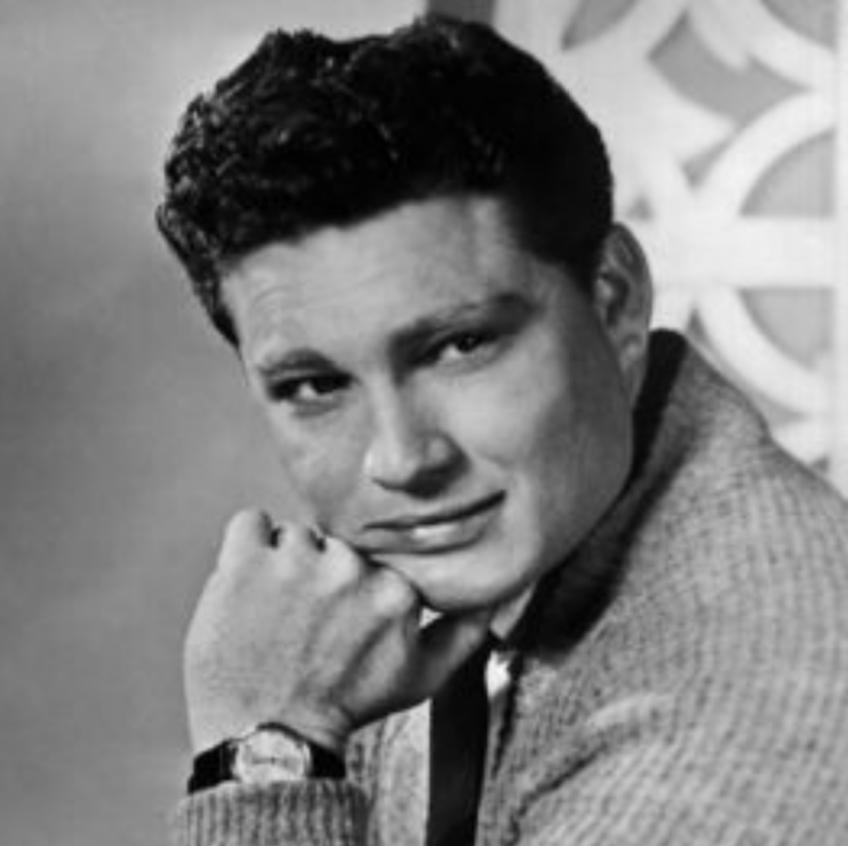
Bruce Channel

Rock
Pop Rock
Garage Rock
 Viberate Rank: 63989
 Viberate Rank: 63989
 Monthly ListenersFollowers
 Subscribers
 Followers
 Followers
 FansTop Spotify Songs
| Track | 7-Day Streams | |
|---|---|---|
1 | 317.59K | |
2 | 6.32K | |
3 | 779 | |
4 | 711 | |
5 | 196 |
Top YouTube Videos| Video | 7-Day Views | |
|---|---|---|
1 | 5.47K | |
2 | 927 | |
3 | 277 | |
4 | 209 | |
5 | 181 |
Monthly ListenersFeatured in Playlists| Playlist | Followers | |
|---|---|---|
1 | Golden Oldies 50's & 60's - Best of 50s/60s. EN Greatest hits - Grandes éxitos de los años 50 y 60. Leticia-Recopilatorios | 198.74K |
2 |  Grandma's Home Spotify | 196.65K |
3 |  Dirty Dancing Soundtrack KULTPOP! | 90.14K |
4 | Skylar00 | 77.50K |
5 |  Road Trip USA Classics Yas Min | 68.37K |
Audience| City | Monthly Listeners | |
|---|---|---|
1 |  | 8.95K |
2 |  | 8.89K |
3 | | 8.81K |
4 | | 7.57K |
5 | | 5.04K |
See full performance history, audience data, playlist activity, rankings, comparisons, and more in Viberate music analytics. Start with a free trial, then continue with a paid plan.
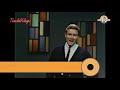
Bruce Channel’s Spotify BioBruce Channel's "Hey Baby" -- a classic one-shot, number-one hit from 1962 -- is one of the many records proving that, during a period in which rock has sometimes been characterized as near death, the form was continuing to evolve in unexpected and delightful ways. An irresistible mid-tempo shuffle from the first few bars of homespun harmonica (played by Delbert McClinton), it was a seemingly effortless blend of rock, blues, country, and Cajun beats, featuring Channel's lazy, drawling vocals and an instantly catchy tune. It was perhaps too much of a natural; Channel could never recapture the organic spontaneity of the track, failing to re-enter the Top 40 despite many attempts.
The Texan had written "Hey Baby" around 1959 with his friend Margaret Cobb, and had already been performing the tune for a couple of years before recording it amidst a series of demos for Fort Worth producer Major Bill Smith. First released locally on Smith's label, it was picked up for national distribution by… Smash. Channel would continue to write most of his own material (sometimes in collaboration with Cobb) for a series of moderately enjoyable follow-ups that echoed the riffs of "Hey Baby" too closely.
McClinton played his immediately identifiable harmonica on several of these, and made his own contribution to rock history in 1962, when he was touring as a member of Channel's band in Britain. On one of their shows, they were supported by a then-unknown Liverpool group, the Beatles, who had yet to cut their first record. John Lennon was smitten by McClinton's style of playing, and picked up some pointers that he put to use on the Beatles' very first single, "Love Me Do"; in fact, McClinton's influence can be easily detected in Lennon's harmonica playing on many early Beatles tracks from 1962 and 1963.
Channel did get another Top 20 hit in Britain in 1968, "Keep On," which was written by Wayne Carson Thompson (famous for penning the Box Tops' "The Letter"). Nothing else clicked in a big way on either side of the ocean, and by the late '70s he was working in Nashville as a songwriter. ~ Richie Unterberger, Rovi
Viberate is a music analytics platform built for A&Rs, artist managers, labels, booking agents, marketers, and artists.
It helps music professionals track artist growth, analyze audience data, monitor playlist activity, compare artists, follow song performance, and identify opportunities across the music market.
Public artist pages provide a free preview of selected artist data. Paid plans provide access to deeper analytics, historical data, charts, comparisons, playlist tools, exports, alerts, reports, and additional professional features.
Yes. Public Viberate artist pages provide selected artist analytics and music data for free.
Viberate also offers a 7-day free trial of the full platform. A credit card is required to start the trial. The trial includes access to the complete product so users can test deeper artist analytics, historical views, playlist insights, comparisons, charts, exports, alerts, and reporting features before choosing a paid plan.
Viberate provides artist analytics across streaming, playlists, social media, video, radio airplay, songs, and audience markets.
Users can analyze Spotify performance, Spotify and Apple Music playlists, YouTube activity, TikTok and Instagram growth, radio spins, song performance, audience locations, demographics, rankings, and overall artist momentum.
Artist profiles also connect to music charts, similar artists, and comparison tools, helping users benchmark performance and evaluate artists in context.
Viberate updates key artist and track data daily.
For followed artists and tracks, selected data is refreshed multiple times per day. This helps teams monitor playlist changes, streaming movement, audience growth, releases, and campaign performance with more current data.
Update frequency can vary depending on the metric and data source.
Yes. Viberate lets users compare up to five artists side by side across streaming, social media, audience, and engagement metrics.
Users can compare fanbase growth, audience demographics, locations, Spotify performance, social metrics, and other artist data over selected time periods.
Artist comparison can be used for A&R scouting, benchmarking, booking decisions, campaign planning, and evaluating artists with similar audiences or market positions.