The Briggs

Punk
Punk Rock
 Viberate Rank: 128438
 Viberate Rank: 128438
 Monthly ListenersFollowers
 Subscribers
 Followers
 Followers
 FansTop Spotify Songs
| Track | 7-Day Streams | |
|---|---|---|
1 | 9.60K | |
2 | 7.22K | |
3 | 6.19K | |
4 | 5.75K | |
5 | 5.07K |
Top YouTube VideosMonthly ListenersFeatured in Playlists| Playlist | Followers | |
|---|---|---|
1 | STREAMING MOTHERFUCKERS asmongold | 41.48K |
2 |  The Evolution of Punk (In Chronological Order) kingfirley | 16.18K |
3 |  Xmas Punk : Christmas Punk Rock Fernando Crow | 14.05K |
4 |  No Kings: Inspiring Songs for the Midterm Elections throwitoutpod | 13.37K |
5 |  Anti-Fascist Songs johnnywildcat22 | 9.02K |
Audience| City | Monthly Listeners | |
|---|---|---|
1 | | 1.10K |
2 |  | 1.08K |
3 |  | 953 |
4 | | 843 |
5 | | 815 |
See full performance history, audience data, playlist activity, rankings, comparisons, and more in Viberate music analytics. Start with a free trial, then continue with a paid plan.
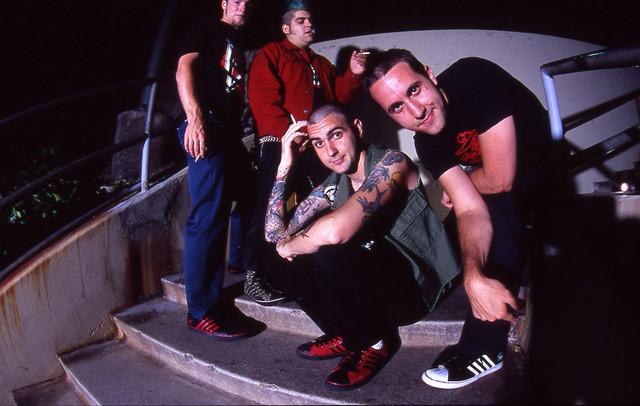
The Briggs’ Spotify BioFollowing the path of early punk rock bands such as Cock Sparrer and the Clash, Los Angeles' the Briggs consist of brothers Joey and Jason LaRocca, drummer Chris X, and bassist Ryan Roberts (who replaced original bassist Duck Matthews). Originally named I Decline, the group was forced to change the name due to it being used by another band. The Briggs' first album, the independently released Is This What You Believe?, surfaced in 2001, followed in 2003 by Numbers, produced by Duane Peters of U.S. Bombs and issued on his own Disaster label. After finding a home with SideOneDummy, another EP preceded Back to Higher Ground, released in September 2006. In addition to dates on the Vans Warped Tour, the band has toured with similar punk groups such as Flogging Molly and the Casualties. ~ Kenyon Hopkin, Rovi
Viberate is a music analytics platform built for A&Rs, artist managers, labels, booking agents, marketers, and artists.
It helps music professionals track artist growth, analyze audience data, monitor playlist activity, compare artists, follow song performance, and identify opportunities across the music market.
Public artist pages provide a free preview of selected artist data. Paid plans provide access to deeper analytics, historical data, charts, comparisons, playlist tools, exports, alerts, reports, and additional professional features.
Yes. Public Viberate artist pages provide selected artist analytics and music data for free.
Viberate also offers a 7-day free trial of the full platform. A credit card is required to start the trial. The trial includes access to the complete product so users can test deeper artist analytics, historical views, playlist insights, comparisons, charts, exports, alerts, and reporting features before choosing a paid plan.
Viberate provides artist analytics across streaming, playlists, social media, video, radio airplay, songs, and audience markets.
Users can analyze Spotify performance, Spotify and Apple Music playlists, YouTube activity, TikTok and Instagram growth, radio spins, song performance, audience locations, demographics, rankings, and overall artist momentum.
Artist profiles also connect to music charts, similar artists, and comparison tools, helping users benchmark performance and evaluate artists in context.
Viberate updates key artist and track data daily.
For followed artists and tracks, selected data is refreshed multiple times per day. This helps teams monitor playlist changes, streaming movement, audience growth, releases, and campaign performance with more current data.
Update frequency can vary depending on the metric and data source.
Yes. Viberate lets users compare up to five artists side by side across streaming, social media, audience, and engagement metrics.
Users can compare fanbase growth, audience demographics, locations, Spotify performance, social metrics, and other artist data over selected time periods.
Artist comparison can be used for A&R scouting, benchmarking, booking decisions, campaign planning, and evaluating artists with similar audiences or market positions.