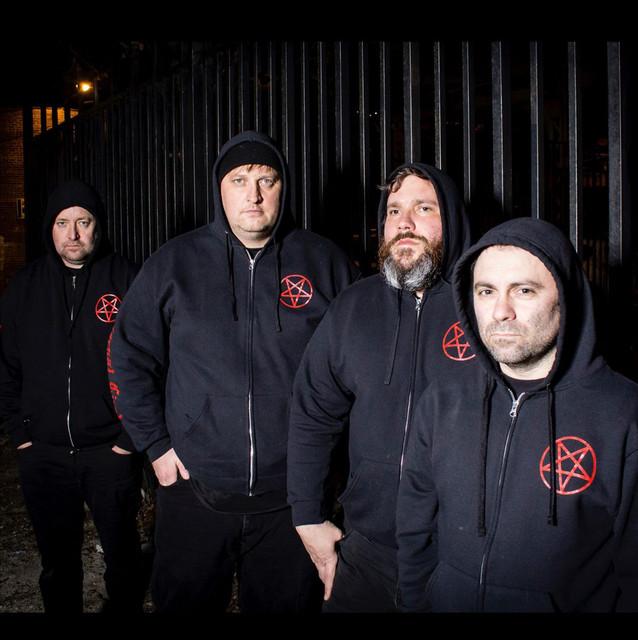
The Lillingtons

Punk
Pop Punk
Skate Punk
 Viberate Rank: 122972
 Viberate Rank: 122972
 Monthly ListenersFollowers
 Subscribers
 Followers
 Followers
 FansTop Spotify Songs
| Track | 7-Day Streams | |
|---|---|---|
1 | 8.69K | |
2 | 8.55K | |
3 | 6.58K | |
4 | 6.07K | |
5 | 4.46K |
Top YouTube VideosMonthly ListenersFeatured in Playlists| Playlist | Followers | |
|---|---|---|
1 |  Skatepark Punks Spotify | 1.12M |
2 | The ULTIMATE Skate Punk and Punk Rock Playlist Pizza with Film | 12.95K |
3 |  PUNK ROCK sebastien.gautier | 8.46K |
4 |  Caos Riot Games Brasil | 5.92K |
5 |  Skatepunk, California Punk and Hardcore Doc Verdugo | 5.59K |
Audience| City | Monthly Listeners | |
|---|---|---|
1 | | 995 |
2 | | 991 |
3 |  | 968 |
4 | | 729 |
5 | | 718 |
See full performance history, audience data, playlist activity, rankings, comparisons, and more in Viberate music analytics. Start with a free trial, then continue with a paid plan.
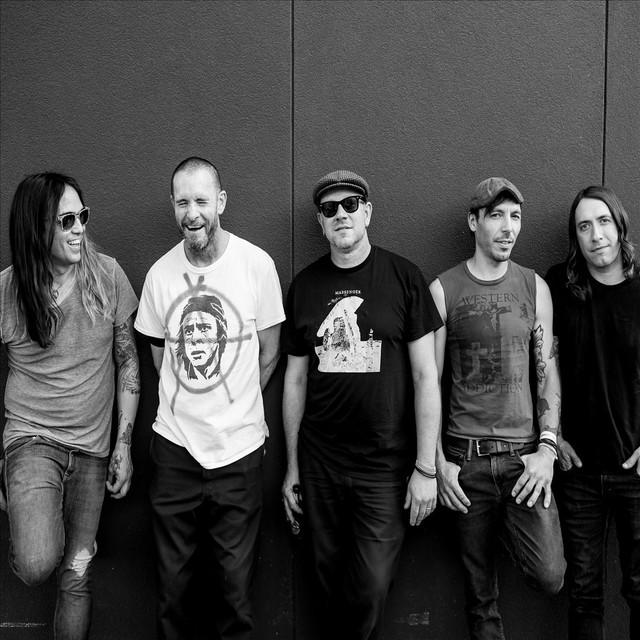
The Lillingtons’ Spotify BioThe Lillingtons blasted their way out of the sleepy cowtown of Newcastle, Wyoming, in 1996 high off the influence of spirited bands like the Ramones, Screeching Weasel, and the Queers. Comprised of Kody Templeman (vocals/guitar), Cory Laurence (bass), and Tim O'Hara (aka Timmy V [drums]), the band also later included Zachary Rawhouser (guitar). Self-releasing their first album, 1996's Shit Out of Luck, the Lillingtons initially coupled their direct pop-punk approach with adolescent-styled lyrics about girls and high school. But after a succession of vinyl-only releases, the guys got sick of singing about broken hearts and decidedly changed their lyrical line of attack.
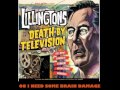
Their subsequent album, Death by Television, was issued in 1999 on the Lookout imprint Panic Button (run by Ben Weasel and John Jughead). Produced by Mass Giorgini -- of Screeching Weasel, Squirtgun, and Queers fame -- the album was thematically based around sci-fi movies. NOFX's Fat Mike has been quoted praising the… fan-favorite record as "the best pop-punk album of all time." Heavily touring the punk circuit with bands like Teen Idols, the Lillingtons were becoming underground favorites. Again with Giorgini behind the controls, their spy-themed follow-up, The Backchannel Broadcast, appeared in February 2001.
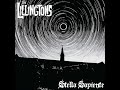
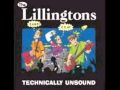
By the end of the year, however, the band had called it quits. Following the group's dissolution, Kody moved on to play with Laramie-based (and similarly minded) Teenage Bottlerocket. Tim moved to New Mexico, where he played with the Eyeliners before starting his own hardcore outfit, Stabbed in Back. Clearview issued the three-CD box set Technically Unsound in 2005; it contained the out of print Shit Out of Luck (the original album mix and a new one by Giorgini), tracks from a 10" split with Nothing Cool, the "Lost My Marbles" 7" (recorded by Joe Queer), live tracks, and unreleased material for the "Stupid World" 7". Reuniting in early 2006, the Lillingtons struck a deal with Red Scare, which first reissued Death by Television in June followed in October by an album of new material called The Too Late Show. The reunion was short-lived, however, and the bandmembers soon scattered to resume work on their own projects. Reforming again in 2013, the Lillingtons played Riot Fest and, over the next few years, continued to play here and there including a stint opening for the Queers in late 2015. In early 2017, it was announced that Fat Wreck would be releasing an-all new Lillingtons album called Stella Sapiente. Arriving in October of that year, it was the band's first new material in 11 years. ~ Corey Apar, Rovi
Viberate is a music analytics platform built for A&Rs, artist managers, labels, booking agents, marketers, and artists.
It helps music professionals track artist growth, analyze audience data, monitor playlist activity, compare artists, follow song performance, and identify opportunities across the music market.
Public artist pages provide a free preview of selected artist data. Paid plans provide access to deeper analytics, historical data, charts, comparisons, playlist tools, exports, alerts, reports, and additional professional features.
Yes. Public Viberate artist pages provide selected artist analytics and music data for free.
Viberate also offers a 7-day free trial of the full platform. A credit card is required to start the trial. The trial includes access to the complete product so users can test deeper artist analytics, historical views, playlist insights, comparisons, charts, exports, alerts, and reporting features before choosing a paid plan.
Viberate provides artist analytics across streaming, playlists, social media, video, radio airplay, songs, and audience markets.
Users can analyze Spotify performance, Spotify and Apple Music playlists, YouTube activity, TikTok and Instagram growth, radio spins, song performance, audience locations, demographics, rankings, and overall artist momentum.
Artist profiles also connect to music charts, similar artists, and comparison tools, helping users benchmark performance and evaluate artists in context.
Viberate updates key artist and track data daily.
For followed artists and tracks, selected data is refreshed multiple times per day. This helps teams monitor playlist changes, streaming movement, audience growth, releases, and campaign performance with more current data.
Update frequency can vary depending on the metric and data source.
Yes. Viberate lets users compare up to five artists side by side across streaming, social media, audience, and engagement metrics.
Users can compare fanbase growth, audience demographics, locations, Spotify performance, social metrics, and other artist data over selected time periods.
Artist comparison can be used for A&R scouting, benchmarking, booking decisions, campaign planning, and evaluating artists with similar audiences or market positions.