The Beatnuts

Hip Hop
Contemporary Hip Hop
 Viberate Rank: 29167
 Viberate Rank: 29167
 Monthly ListenersFollowers
 Subscribers
 Followers
 Followers
 FansTop Spotify Songs
| Track | 7-Day Streams | |
|---|---|---|
1 | 156.69K | |
2 | 53.37K | |
3 | 44.87K | |
4 | 26.02K | |
5 | 18.22K |
Top YouTube VideosMonthly ListenersFeatured in Playlists| Playlist | Followers | |
|---|---|---|
1 |  Old School Hip Hop Filtr Sweden | 779.30K |
2 |  BEST ENGLISH SONGS - The Biggest and Hottest English Hits Filtr India | 709.77K |
3 |  Boom Bap Focus Spotify | 375.11K |
4 |  Official NBA 2K27 Soundtrack 2K | 169.44K |
5 | Nick Kin | 152.68K |
Audience| City | Monthly Listeners | |
|---|---|---|
1 |  | 12.52K |
2 |  | 11.46K |
3 |  | 7.53K |
4 | | 7.50K |
5 |  | 7.36K |
See full performance history, audience data, playlist activity, rankings, comparisons, and more in Viberate music analytics. Start with a free trial, then continue with a paid plan.
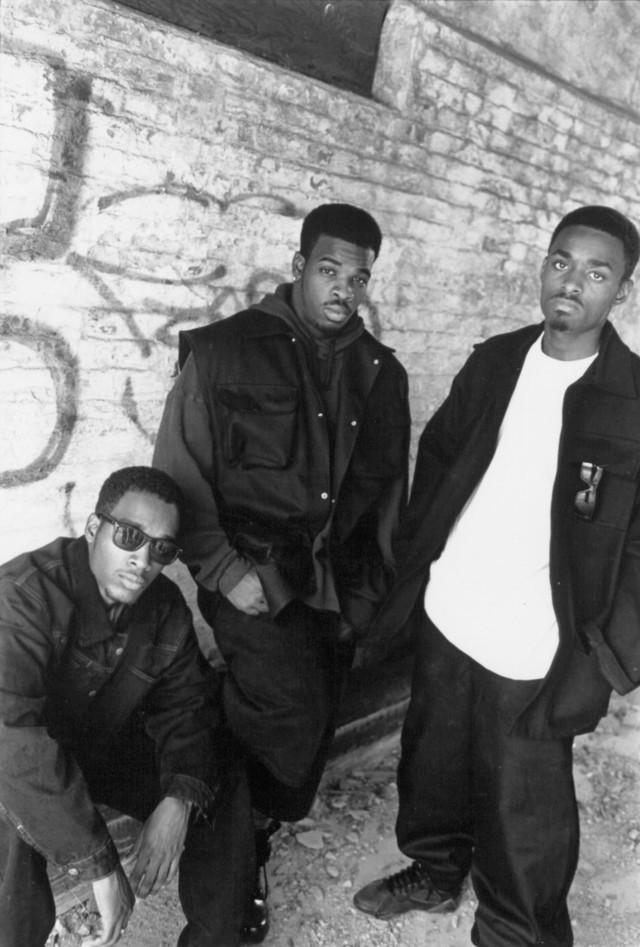
The Beatnuts’ Spotify BioAn underground Latino crew who moved from being strictly producers to make some action on the other side of the mixing board as well, the Beatnuts first hooked up in the late '80s, with Junkyard Ju-Ju (aka JuJu, born Jerry Tineo) and Psycho Les (born Lester Fernandez) being joined by Fashion (aka Kool Fashion, born Berntony Smalls). After working with the Jungle Brothers, the trio connected with Monie Love on a production job for "Pups Lickin Bone" from her 1990 debut album, Down to Earth. They also worked on remixes for Cypress Hill, Naughty by Nature, da Lench Mob, and Prime Minister Pete Nice, earning their own contract with Combat Records for the 1993 mini-LP Intoxicated Demons. The album's release was held up when Kool Fashion was arrested and jailed for six months on a drug conviction, but the Beatnuts released a self-titled album the following year, on Violator/Relativity. After a hiatus verging on three years, Fashion became a Muslim and left the Beatnuts, releasing his debut… solo album, God Connections, with production help from his old bandmates. JuJu and Psycho Les finally returned to release the Beatnuts' third album, Stone Crazy, in 1997. Musical Massacre followed two years later. Take It or Squeeze It, issued in spring 2001, captured the Beatnuts' danceable funk as well as collaborations with Method Man and Fat Man Scoop. The next year, The Originators brought back Al Tariq (that is, Kool Fashion) and delivered another round of bionic beats. ~ John Bush, Rovi
Viberate is a music analytics platform built for A&Rs, artist managers, labels, booking agents, marketers, and artists.
It helps music professionals track artist growth, analyze audience data, monitor playlist activity, compare artists, follow song performance, and identify opportunities across the music market.
Public artist pages provide a free preview of selected artist data. Paid plans provide access to deeper analytics, historical data, charts, comparisons, playlist tools, exports, alerts, reports, and additional professional features.
Yes. Public Viberate artist pages provide selected artist analytics and music data for free.
Viberate also offers a 7-day free trial of the full platform. A credit card is required to start the trial. The trial includes access to the complete product so users can test deeper artist analytics, historical views, playlist insights, comparisons, charts, exports, alerts, and reporting features before choosing a paid plan.
Viberate provides artist analytics across streaming, playlists, social media, video, radio airplay, songs, and audience markets.
Users can analyze Spotify performance, Spotify and Apple Music playlists, YouTube activity, TikTok and Instagram growth, radio spins, song performance, audience locations, demographics, rankings, and overall artist momentum.
Artist profiles also connect to music charts, similar artists, and comparison tools, helping users benchmark performance and evaluate artists in context.
Viberate updates key artist and track data daily.
For followed artists and tracks, selected data is refreshed multiple times per day. This helps teams monitor playlist changes, streaming movement, audience growth, releases, and campaign performance with more current data.
Update frequency can vary depending on the metric and data source.
Yes. Viberate lets users compare up to five artists side by side across streaming, social media, audience, and engagement metrics.
Users can compare fanbase growth, audience demographics, locations, Spotify performance, social metrics, and other artist data over selected time periods.
Artist comparison can be used for A&R scouting, benchmarking, booking decisions, campaign planning, and evaluating artists with similar audiences or market positions.