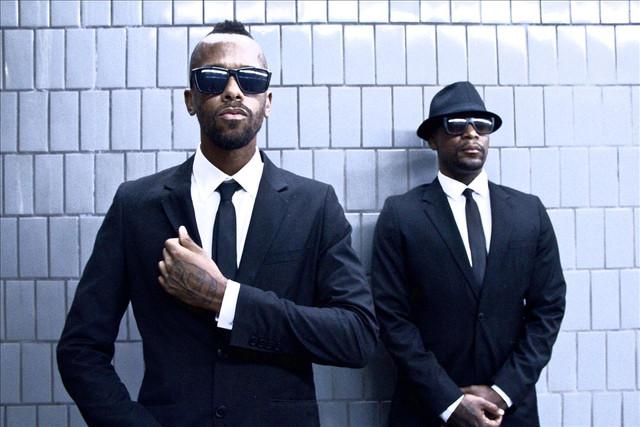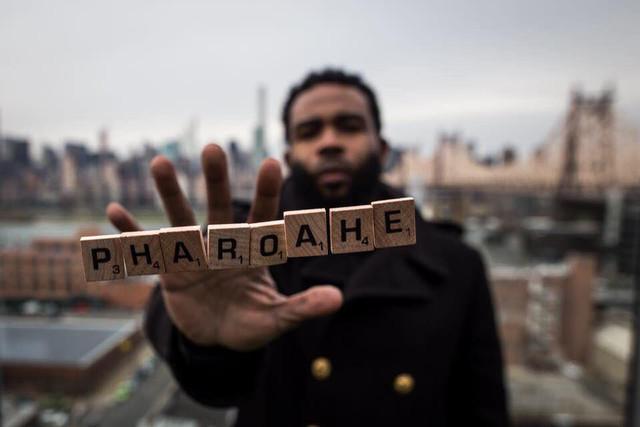
Pharoahe Monch

Hip Hop
Contemporary Hip Hop
 Viberate Rank: 18616
 Viberate Rank: 18616
 Monthly ListenersFollowers
 Subscribers
 Followers
 Followers
 FansTop Spotify Songs
| Track | 7-Day Streams | |
|---|---|---|
1 | 468.64K | |
2 | 64.86K | |
3 | 26.88K | |
4 | 18.96K | |
5 | 15.14K |
Top YouTube Videos| Video | 7-Day Views | |
|---|---|---|
1 | 129.55K | |
2 | 15.37K | |
3 | 14.49K | |
4 | 9.36K | |
5 | 7.90K |
Monthly ListenersFeatured in Playlists| Playlist | Followers | |
|---|---|---|
1 |  I Love My Underground Classics Spotify | 658.84K |
2 |  Linkin Park: Complete Playlist Linkin Park | 467.17K |
3 |  Hip Hop 90's & 2000's - Classics Bruno Braga | 452.78K |
4 |  Boom Bap Focus Spotify | 375.11K |
5 |  Hip-Hop Classics Party Spotify | 312.04K |
Audience| City | Monthly Listeners | |
|---|---|---|
1 |  | 21.32K |
2 |  | 19.00K |
3 | | 18.08K |
4 | | 16.22K |
5 |  | 15.34K |
See full performance history, audience data, playlist activity, rankings, comparisons, and more in Viberate music analytics. Start with a free trial, then continue with a paid plan.
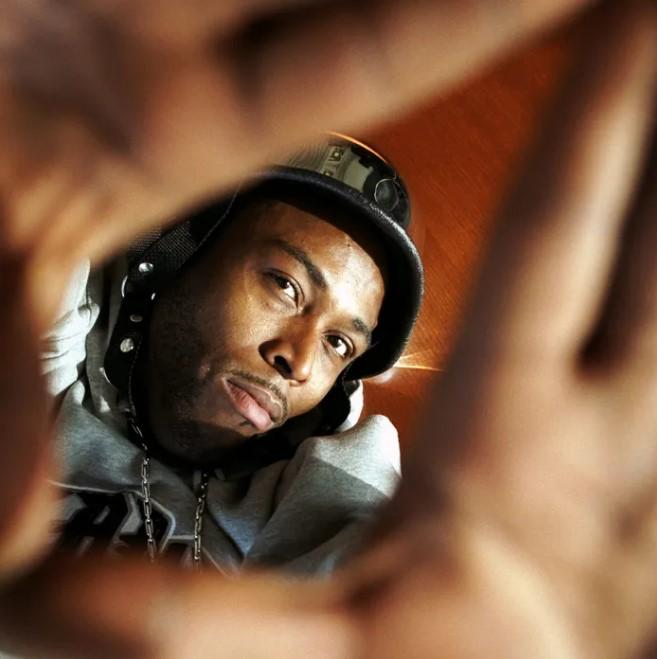
Pharoahe Monch’s Spotify BioWhile a member of the New York City duo Organized Konfusion, Pharoahe Monch developed a reputation as one of underground hip-hop's preeminent lyricists, crafting intricate and intelligent raps with partner Prince Poetry. After recording three albums together from 1991-1997, the two amicably split up, and Monch pursued a more aggressive solo style with the terrific independent label Rawkus. He made guest appearances on other artists' records and contributed tracks to the Rawkus compilation Soundbombing, Vol. 2, which raised expectations for his solo debut. The single/video "Simon Says" was released in the summer of 1999 and became a massive hit among rap and club audiences, setting the stage for a surprising debut -- just short of the Top 40 -- for the full-length Internal Affairs upon its release several months later. While he didn't release a second album -- Desire -- until 2007, he was active throughout the intervening years, with fiery singles like "The Life" (with Styles) and… "Agent Orange," along with featured spots on tracks by Ras Kass, J Dilla, Pete Rock, and Sa-Ra. The wait would be halved for the rapper’s third album, with the conceptual W.A.R. (We Are Renegades) arriving in 2011, four years after 2007's Desire. His 2014 release, P.T.S.D.: Post Traumatic Stress Disorder, was another conceptual effort, this time with guests like Talib Kweli and the psychedelic soul group the Stepkids. ~ Steve Huey, Rovi
Viberate is a music analytics platform built for A&Rs, artist managers, labels, booking agents, marketers, and artists.
It helps music professionals track artist growth, analyze audience data, monitor playlist activity, compare artists, follow song performance, and identify opportunities across the music market.
Public artist pages provide a free preview of selected artist data. Paid plans provide access to deeper analytics, historical data, charts, comparisons, playlist tools, exports, alerts, reports, and additional professional features.
Yes. Public Viberate artist pages provide selected artist analytics and music data for free.
Viberate also offers a 7-day free trial of the full platform. A credit card is required to start the trial. The trial includes access to the complete product so users can test deeper artist analytics, historical views, playlist insights, comparisons, charts, exports, alerts, and reporting features before choosing a paid plan.
Viberate provides artist analytics across streaming, playlists, social media, video, radio airplay, songs, and audience markets.
Users can analyze Spotify performance, Spotify and Apple Music playlists, YouTube activity, TikTok and Instagram growth, radio spins, song performance, audience locations, demographics, rankings, and overall artist momentum.
Artist profiles also connect to music charts, similar artists, and comparison tools, helping users benchmark performance and evaluate artists in context.
Viberate updates key artist and track data daily.
For followed artists and tracks, selected data is refreshed multiple times per day. This helps teams monitor playlist changes, streaming movement, audience growth, releases, and campaign performance with more current data.
Update frequency can vary depending on the metric and data source.
Yes. Viberate lets users compare up to five artists side by side across streaming, social media, audience, and engagement metrics.
Users can compare fanbase growth, audience demographics, locations, Spotify performance, social metrics, and other artist data over selected time periods.
Artist comparison can be used for A&R scouting, benchmarking, booking decisions, campaign planning, and evaluating artists with similar audiences or market positions.