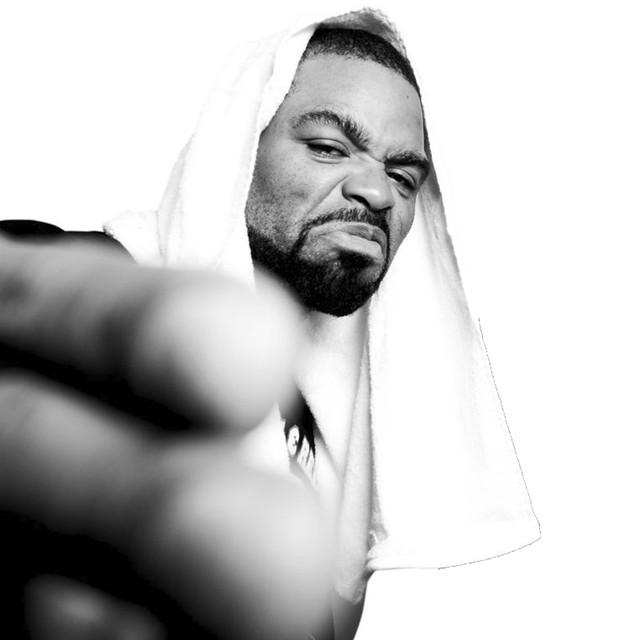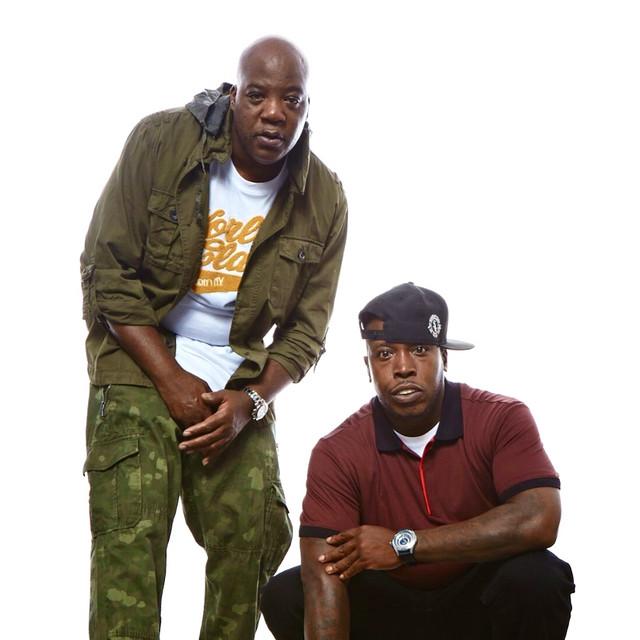
M.O.P.

Hip Hop
Contemporary Hip Hop
 Viberate Rank: 22437
 Viberate Rank: 22437
 Monthly ListenersFollowers
 Subscribers
 Followers
 Followers
 FansTop Spotify Songs
| Track | 7-Day Streams | |
|---|---|---|
1 | 252.74K | |
2 | 82.85K | |
3 | 72.86K | |
4 | 28.01K | |
5 | 28.01K |
Top YouTube VideosMonthly ListenersFeatured in Playlists| Playlist | Followers | |
|---|---|---|
1 |  I Love My '90s Hip-Hop Spotify | 9.39M |
2 |  Old School Hip Hop Filtr Sweden | 779.30K |
3 |  Hip-Hop Classics Party Spotify | 312.04K |
4 | 90’s & 2000’s Hip Hop Bangers Johnny Thunder | 272.59K |
5 |  Américain Rap 🇺🇸 90-2000 Nathan B | 220.16K |
Audience| City | Monthly Listeners | |
|---|---|---|
1 |  | 18.57K |
2 | | 14.17K |
3 |  | 12.69K |
4 |  | 12.37K |
5 |  | 12.30K |
See full performance history, audience data, playlist activity, rankings, comparisons, and more in Viberate music analytics. Start with a free trial, then continue with a paid plan.
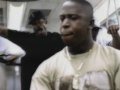
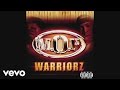
M.O.P.’s Spotify BioLil' Fame and Billy Danzenie formed hardcore rap act M.O.P. The duo's debut single, "How About Some Hardcore," became popular and led to the release of their first album, To the Death, in the spring of 1994. Two years later, they delivered Firing Squad. Third record First Family 4 Life was released in March of 1998; Warriorz followed two years later. The success of Warriorz helped raise M.O.P's profile and garnered some mainstream radio attention. Label issues left the band adrift around 2002 until they were picked up by Roc-A-Fella Records and appeared on Jay-Z's The Blueprint²: The Gift & the Curse. Although the band stayed active recording and making appearances on soundtracks, Rock-a-Fella did not release a full-length album from M.O.P and the band parted-ways with Rock-a-Fella in 2005. They then signed with G-Unit Records and released the compilation M.O.P. Salutes the St. Marxmen. M.O.P. next released Ghetto Warfare -- recorded and shelved by Rock-a-Fella -- in 2006. In 2008, the… band released The Legends Underground, Vol. 5 and announced they had ended their deal with G-Unit Records. In 2009, M.O.P. released The Foundation on E1 Music. ~ Stephen Thomas Erlewine, Rovi
Viberate is a music analytics platform built for A&Rs, artist managers, labels, booking agents, marketers, and artists.
It helps music professionals track artist growth, analyze audience data, monitor playlist activity, compare artists, follow song performance, and identify opportunities across the music market.
Public artist pages provide a free preview of selected artist data. Paid plans provide access to deeper analytics, historical data, charts, comparisons, playlist tools, exports, alerts, reports, and additional professional features.
Yes. Public Viberate artist pages provide selected artist analytics and music data for free.
Viberate also offers a 7-day free trial of the full platform. A credit card is required to start the trial. The trial includes access to the complete product so users can test deeper artist analytics, historical views, playlist insights, comparisons, charts, exports, alerts, and reporting features before choosing a paid plan.
Viberate provides artist analytics across streaming, playlists, social media, video, radio airplay, songs, and audience markets.
Users can analyze Spotify performance, Spotify and Apple Music playlists, YouTube activity, TikTok and Instagram growth, radio spins, song performance, audience locations, demographics, rankings, and overall artist momentum.
Artist profiles also connect to music charts, similar artists, and comparison tools, helping users benchmark performance and evaluate artists in context.
Viberate updates key artist and track data daily.
For followed artists and tracks, selected data is refreshed multiple times per day. This helps teams monitor playlist changes, streaming movement, audience growth, releases, and campaign performance with more current data.
Update frequency can vary depending on the metric and data source.
Yes. Viberate lets users compare up to five artists side by side across streaming, social media, audience, and engagement metrics.
Users can compare fanbase growth, audience demographics, locations, Spotify performance, social metrics, and other artist data over selected time periods.
Artist comparison can be used for A&R scouting, benchmarking, booking decisions, campaign planning, and evaluating artists with similar audiences or market positions.