Tha Dogg Pound

Hip Hop
Contemporary Hip Hop
 Viberate Rank: 19712
 Viberate Rank: 19712
 Monthly ListenersFollowers
 Subscribers
 Followers
 Followers
 FansTop Spotify Songs
| Track | 7-Day Streams | |
|---|---|---|
1 | 117.78K | |
2 | 91.62K | |
3 | 78.49K | |
4 | 50.70K | |
5 | 37.53K |
Top YouTube Videos| Video | 7-Day Views | |
|---|---|---|
1 | 6.03K | |
2 | 6.03K | |
3 | 2.74K | |
4 | 2.54K | |
5 | 2.12K |
Monthly ListenersFeatured in Playlists| Playlist | Followers | |
|---|---|---|
1 |  90s Hip Hop Classics Nick Minto | 222.74K |
2 |  West Coast Classics (GTAV) Rockstar Games | 174.49K |
3 |  real good shit Tom Misch | 165.62K |
4 |  West Side Classics StrawHatNeil | 149.03K |
5 |  West Coast Classics/Rap Classics | 132.79K |
Audience| City | Monthly Listeners | |
|---|---|---|
1 | | 35.57K |
2 | | 13.00K |
3 | | 11.23K |
4 | | 10.00K |
5 | | 9.94K |
See full performance history, audience data, playlist activity, rankings, comparisons, and more in Viberate music analytics. Start with a free trial, then continue with a paid plan.
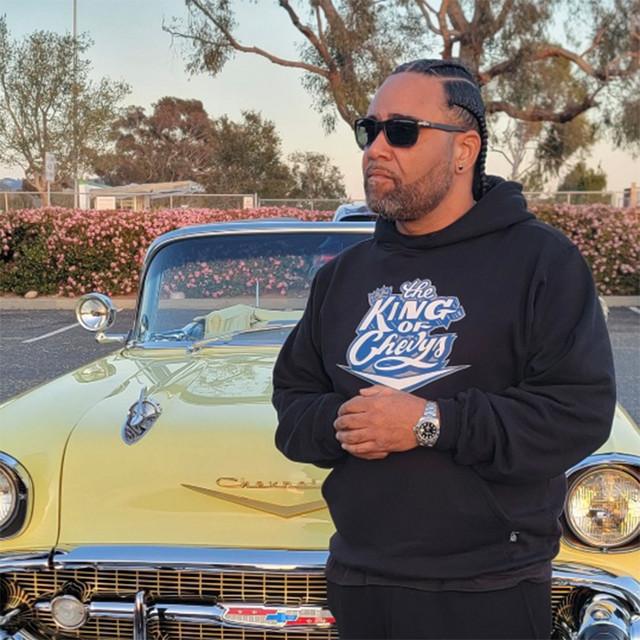
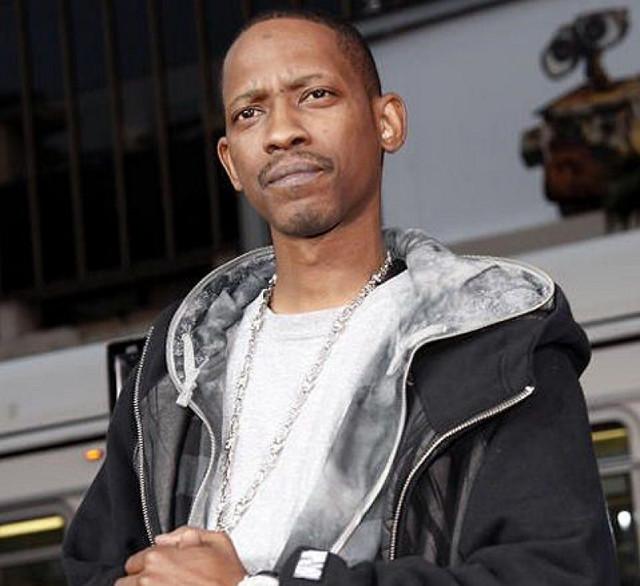
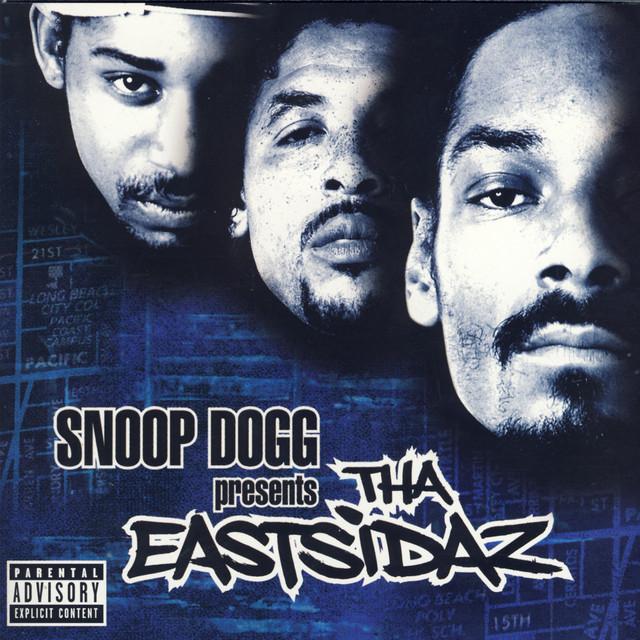
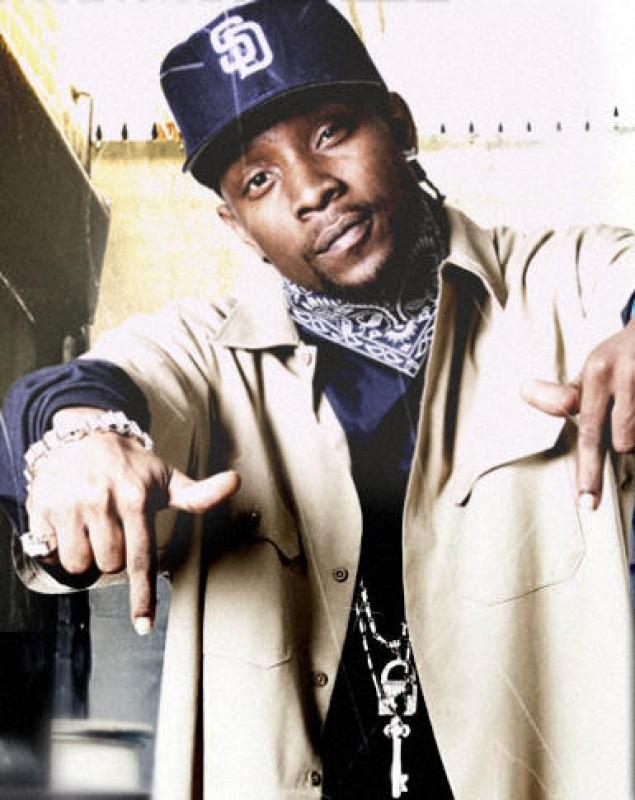
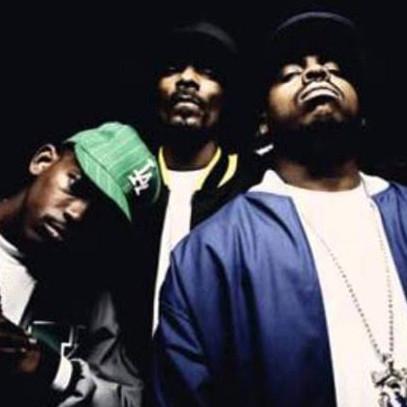
Tha Dogg Pound’s Spotify BioTha Dogg Pound was an integral part of the Death Row Records empire, which cast a tall shadow over rap music in the early to mid-'90s, and though the label only released one Dogg Pound album, Dogg Food (1995), the duo's impression remained fairly constant in the years that followed, as the two group members pursued solo careers and occasionally reunited. Kurupt (born Ricardo Brown; November 23, 1972) and Dat Nigga Daz (born Delmar Arnaud; May 25, 1973) comprise Tha Dogg Pound (not to be confused with Dogg Pound Posse, a different and much shorter-lived hardcore rap group).
The two Californians began their recording careers individually, both of them featured sporadically on the foundational Death Row release, Dr. Dre's landmark The Chronic (1992). Kurupt and Daz were first billed together as Tha Dogg Pound on "Niggas Don't Give a Fuck," their contribution to the Poetic Justice soundtrack (1993). Later that year they reappeared as Tha Dogg Pound on Doggystyle, the solo debut of Snoop… Doggy Dogg, where they were featured on a few songs, most prominently the hit single "Doggy Dogg World." In 1994 they were featured on a pair of Death Row soundtracks, Above the Rim ("Big Pimpin'") and Murder Was the Case ("What Would U Do?," "Who Got Some Gangsta Shit?," "Come Up to My Room"). Around this same time, Daz established himself as a capable producer, with the Lady of Rage's "Afro Puffs" to his credit, among other tracks.
Death Row released Tha Dogg Pound's debut album, Dogg Food, on Halloween 1995. It was quite a success, topping the Billboard 200 album chart. "Let's Play House" was the biggest hit, breaking into the Top 50 of the Hot 100, while "New York, New York" was an MTV favorite; in the video for the latter, Kurupt, Daz, and Snoop stomped Godzilla-like around the Big Apple, taunting their East Coast rivals. Tha Dogg Pound remained active thereafter, rapping on both 2Pac's All Eyez on Me (1996) and Snoop's Tha Doggfather (1996); Daz produced on a number of tracks on both albums as well, including the singles "2 of Amerikaz Most Wanted," "I Ain't Mad at Cha," and "Doggfather," not to mention numerous album tracks.
With Dr. Dre's sudden departure from Death Row in 1996, Daz assumed the vacated role of chief in-house producer. And then with the murder of 2Pac and the incarceration of label head Suge Knight later that same year, Daz assumed leadership. Consequently, pretty much everything released by Death Row in the late '90s featured Daz prominently -- from the holiday compilation Christmas on Death Row (1996) and the two-CD Gridlock'd soundtrack (1997), to the never-released Danny Boy album and the long-delayed Lady of Rage debut, Necessary Roughness (1997), Daz was involved both as producer and rapper.
Death Row began to unravel quickly in the wake of 2Pac's murder, however, and Interscope Records sold its interest in the label in August 1997. As Suge sat in prison and Snoop left for greener pastures, Daz (who now billed himself as Daz Dillinger) tried to keep the sinking ship afloat. Released in March 1998, his solo debut, Retaliation, Revenge and Get Back, was the final Death Row album of its era. (A vault's worth of unreleased Death Row material would be mined in subsequent years, beginning with G-Funk Classics, Vols. 1 & 2, a double-disc Nate Dogg album released by Breakaway Records in July.) In the meantime, Kurupt had already made arrangements for a solo career of his own. He'd left Death Row shortly after 2Pac's murder and signed to Antra Records. His Antra debut, Kuruption!, was a double album, and he followed it with Tha Streetz Iz a Mutha (1999) and Space Boogie: Smoke Oddessey (2001).
While Kurupt was struggling with his solo career, which ground to a halt with Space Boogie, Daz was busy at the helm of D.P.G. Recordz (aka Gangsta Advisory Recordingz). He made his label debut with R.A.W. (2000) and released numerous others in the years that followed, notably a couple collaborations with Kurupt: Dillinger & Young Gotti (2001) and Dillinger & Young Gotti, Vol. 2: Tha Saga Continues (2005). Daz also mined his vault of unreleased recordings, issuing The Last of tha Pound (2004) and DPGC: The Remix LP (2005). For a moment, at least (after Suge)'s return from prison, Death Row mined its own vault for old Dogg Pound recordings, issuing 2002 (2001).
To the surprise of many, Kurupt returned to the Death Row fold in 2002, after his Antra contract expired and his one-off collaboration with Daz had run its course. He assumed the role of vice-president, a title once held by Dr. Dre; however, little material resulted from the arrangement, as his solo album, Against tha Grain, was delayed repeatedly, all the way until 2005, by which time Kurupt's relationship with Suge had soured. Distributed and marketed by Koch, Against tha Grain sold poorly, and Kurupt left the confines of Death Row once again. In turn, he mended his relationship with Daz, who had developed an adversarial, and often antagonistic, relationship with Suge and Death Row, and by association, Kurupt.
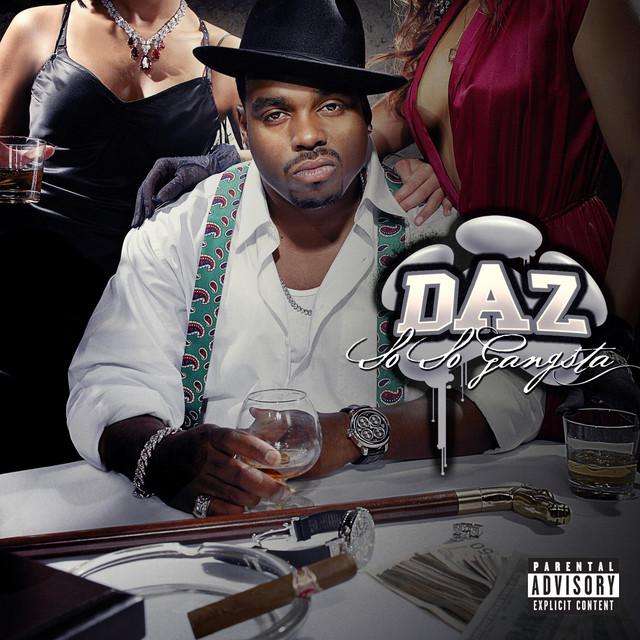
Snoop's so-called Western Conference in December 2005 went a long way toward initiating a new partnership between Kurupt and Daz, and a promising year awaited. In 2006, Daz released Kurupt's Same Day, Different Shit on D.P.G.; Koch released a full-fledged Dogg Pound reunion album, Cali Iz Active, and Jermaine Dupri released Daz's So So Gangsta on his So So Def Recordings label. As if this flurry of 2006 releases weren't enough, Tha Dogg Pound returned in 2007 with Dogg Chit, whose cover quotes that of Dogg Food. Despite hitting snags with the Cash Money and Koch labels, Kurupt and Daz kept tha Dogg Pound active with additional independent releases such as That Was Then This Is Now (2009), the compilation Keep on Ridin' (2010), and 100 Wayz (also 2010). Doggy Bag (2012) rounded up stray cuts. All the while, through the mid-2010s, the duo continued to collaborate with other artists and release solo projects. ~ Jason Birchmeier, Rovi
Viberate is a music analytics platform built for A&Rs, artist managers, labels, booking agents, marketers, and artists.
It helps music professionals track artist growth, analyze audience data, monitor playlist activity, compare artists, follow song performance, and identify opportunities across the music market.
Public artist pages provide a free preview of selected artist data. Paid plans provide access to deeper analytics, historical data, charts, comparisons, playlist tools, exports, alerts, reports, and additional professional features.
Yes. Public Viberate artist pages provide selected artist analytics and music data for free.
Viberate also offers a 7-day free trial of the full platform. A credit card is required to start the trial. The trial includes access to the complete product so users can test deeper artist analytics, historical views, playlist insights, comparisons, charts, exports, alerts, and reporting features before choosing a paid plan.
Viberate provides artist analytics across streaming, playlists, social media, video, radio airplay, songs, and audience markets.
Users can analyze Spotify performance, Spotify and Apple Music playlists, YouTube activity, TikTok and Instagram growth, radio spins, song performance, audience locations, demographics, rankings, and overall artist momentum.
Artist profiles also connect to music charts, similar artists, and comparison tools, helping users benchmark performance and evaluate artists in context.
Viberate updates key artist and track data daily.
For followed artists and tracks, selected data is refreshed multiple times per day. This helps teams monitor playlist changes, streaming movement, audience growth, releases, and campaign performance with more current data.
Update frequency can vary depending on the metric and data source.
Yes. Viberate lets users compare up to five artists side by side across streaming, social media, audience, and engagement metrics.
Users can compare fanbase growth, audience demographics, locations, Spotify performance, social metrics, and other artist data over selected time periods.
Artist comparison can be used for A&R scouting, benchmarking, booking decisions, campaign planning, and evaluating artists with similar audiences or market positions.