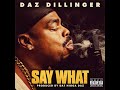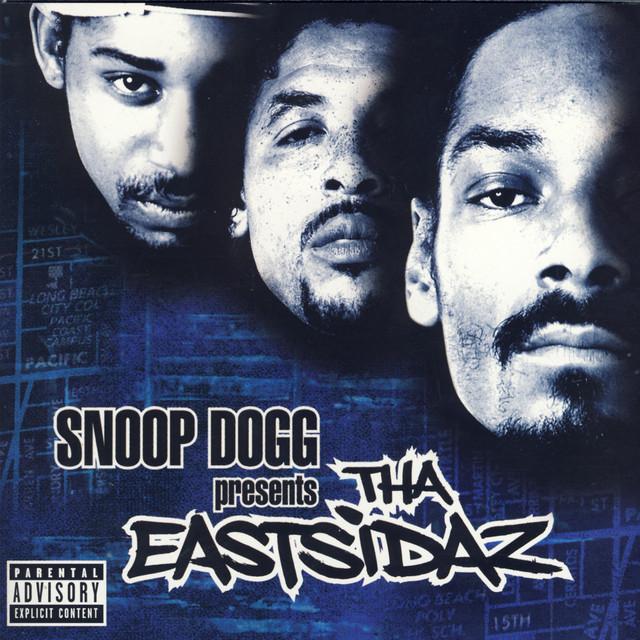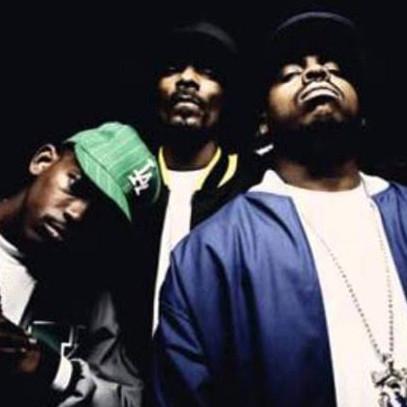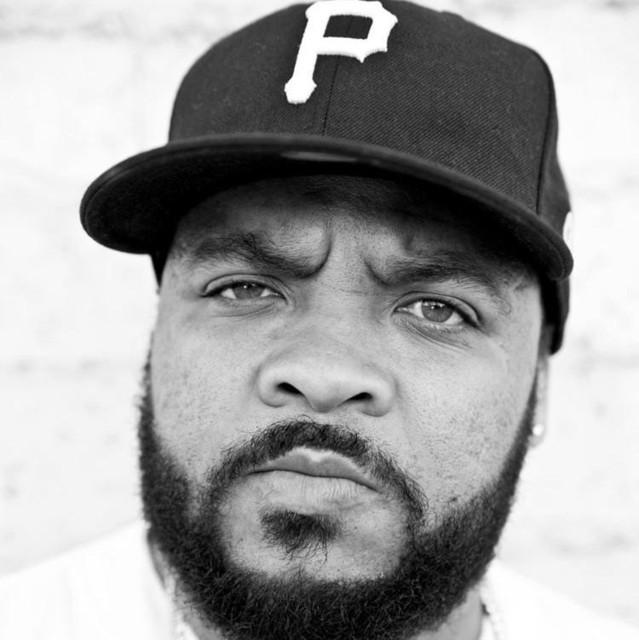
Daz Dillinger

Hip Hop
Contemporary Hip Hop
 Viberate Rank: 12864
 Viberate Rank: 12864
 Monthly ListenersFollowers
 Subscribers
 Followers
 Followers
 FansTop Spotify Songs
| Track | 7-Day Streams | |
|---|---|---|
1 | 1.40M | |
2 | 96.21K | |
3 | 39.22K | |
4 | 17.82K | |
5 | 15.57K |
Top YouTube Videos| Video | 7-Day Views | |
|---|---|---|
1 | 28.89K | |
2 | 6.16K | |
3 | 5.68K | |
4 | 5.58K | |
5 | 4.45K |
Monthly ListenersFeatured in Playlists| Playlist | Followers | |
|---|---|---|
1 |  West Coast Classics Spotify | 1.04M |
2 |  Old School Hip Hop Filtr Sweden | 779.30K |
3 |  This Is Snoop Dogg Spotify | 521.96K |
4 |  Best Rap Songs of All Time IndieMassive Hits | 510.81K |
5 |  90's Hip Hop Don't Stop Topsify US | 484.05K |
Audience| City | Monthly Listeners | |
|---|---|---|
1 |  | 12.23K |
2 | | 7.44K |
3 |  | 4.75K |
4 | | 4.50K |
5 | | 3.16K |
See full performance history, audience data, playlist activity, rankings, comparisons, and more in Viberate music analytics. Start with a free trial, then continue with a paid plan.
Daz Dillinger’s Spotify BioOne of the key members of the mid-'90s Death Row Records empire, producer/rapper Daz Dillinger worked alongside some of the West Coast's best rappers. Along with Kurupt, Nate Dogg, and Snoop Dogg, Dillinger (at time known as Dat Nigga Daz) was one of the Long Beach, CA, clique that had been introduced to Dr. Dre through Warren G during the preliminary stages of the legendary Chronic album. Though Dillinger played only a minor role in the success of that album, his subsequent contributions to Snoop Dogg's Doggystyle album as a rapper quickly established him as an up-and-coming West Coast talent. And when his production helped make 2Pac's All Eyez on Me such a success, he was chosen to be Dr. Dre's successor for the production of Snoop's Tha Doggfather album.
Around the same time, he was part of a duo also including Kurupt known as tha Dogg Pound that released a somewhat overlooked album, Dogg Food. Then, following the departure of Dr. Dre, the death of 2Pac, and the imprisonment of Suge… Knight, Death Row suddenly lost its momentum -- and Dillinger's career with it. During the late '90s, he continued his efforts as a prolific producer but saw his long-finished solo album for Death Row, Retaliation, Revenge & Get Back, get continually pushed back until it was finally released in 1998 to an indifferent audience; the album did feature "In California," though, which proved to be a minor hit.
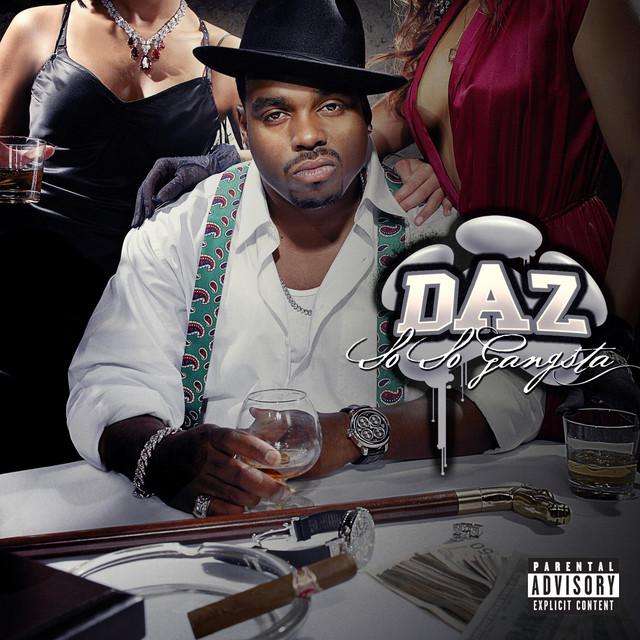
In 2000, Dillinger released his second album, R.A.W., on his Dogg Pound Records label. The record found Dillinger dissing Suge Knight, Death Row, and even his cousin Snoop Dogg. Yet without major-label push, the album was greeted quietly. When Kurupt announced his new position as vice president of Death Row Records in 2002, Daz cut all ties with his former partner. This lasted until 2005 when the duo joined forces once again for the Dogg Pound album Cali Iz Active. A year later, Daz signed with Jermaine Dupri's So So Def label and released So So Gangsta. ~ Jason Birchmeier, Rovi
Viberate is a music analytics platform built for A&Rs, artist managers, labels, booking agents, marketers, and artists.
It helps music professionals track artist growth, analyze audience data, monitor playlist activity, compare artists, follow song performance, and identify opportunities across the music market.
Public artist pages provide a free preview of selected artist data. Paid plans provide access to deeper analytics, historical data, charts, comparisons, playlist tools, exports, alerts, reports, and additional professional features.
Yes. Public Viberate artist pages provide selected artist analytics and music data for free.
Viberate also offers a 7-day free trial of the full platform. A credit card is required to start the trial. The trial includes access to the complete product so users can test deeper artist analytics, historical views, playlist insights, comparisons, charts, exports, alerts, and reporting features before choosing a paid plan.
Viberate provides artist analytics across streaming, playlists, social media, video, radio airplay, songs, and audience markets.
Users can analyze Spotify performance, Spotify and Apple Music playlists, YouTube activity, TikTok and Instagram growth, radio spins, song performance, audience locations, demographics, rankings, and overall artist momentum.
Artist profiles also connect to music charts, similar artists, and comparison tools, helping users benchmark performance and evaluate artists in context.
Viberate updates key artist and track data daily.
For followed artists and tracks, selected data is refreshed multiple times per day. This helps teams monitor playlist changes, streaming movement, audience growth, releases, and campaign performance with more current data.
Update frequency can vary depending on the metric and data source.
Yes. Viberate lets users compare up to five artists side by side across streaming, social media, audience, and engagement metrics.
Users can compare fanbase growth, audience demographics, locations, Spotify performance, social metrics, and other artist data over selected time periods.
Artist comparison can be used for A&R scouting, benchmarking, booking decisions, campaign planning, and evaluating artists with similar audiences or market positions.