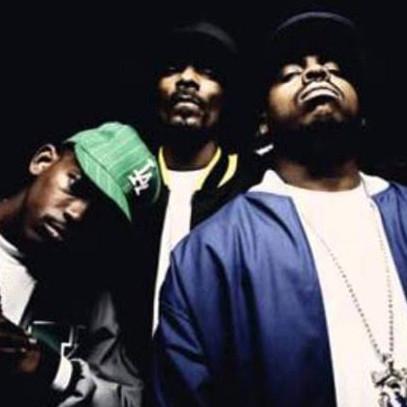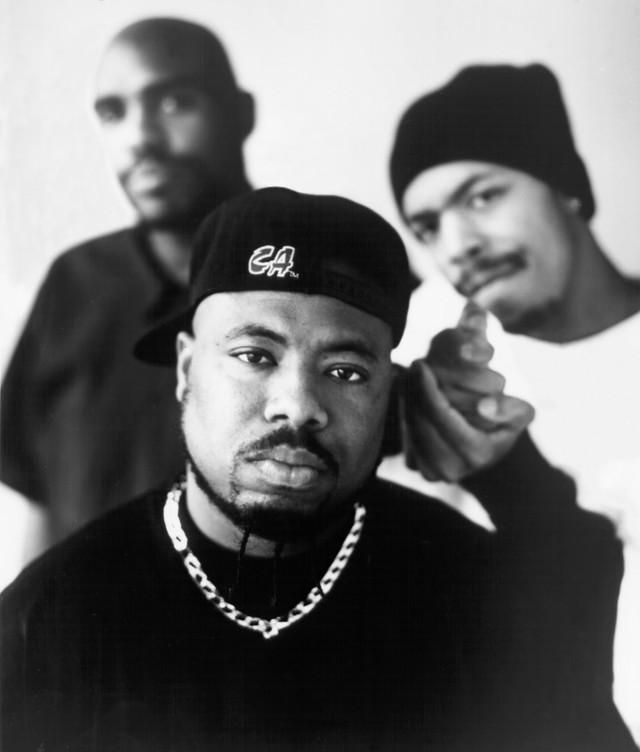
Kurupt

Hip Hop
Contemporary Hip Hop
 Viberate Rank: 5919
 Viberate Rank: 5919
 Monthly ListenersFollowers
 Subscribers
 Followers
 Followers
 FansTop Spotify Songs
| Track | 7-Day Streams | |
|---|---|---|
1 | 670.02K | |
2 | 458.10K | |
3 | 220.62K | |
4 | 143.46K | |
5 | 96.21K |
Top YouTube Videos| Video | 7-Day Views | |
|---|---|---|
1 | 1.46M | |
2 | 36.94K | |
3 | 35.85K | |
4 | 15.58K | |
5 | 11.16K |
Monthly ListenersFeatured in Playlists| Playlist | Followers | |
|---|---|---|
1 |  West Coast Classics Spotify | 1.04M |
2 |  Throwback Thursday Spotify | 841.65K |
3 |  Grand Theft Auto Radio Spotify | 761.28K |
4 |  Westside Spotify | 751.01K |
5 |  This Is Snoop Dogg Spotify | 521.96K |
Audience| City | Monthly Listeners | |
|---|---|---|
1 | | 40.85K |
2 | | 16.32K |
3 |  | 13.38K |
4 | | 13.30K |
5 |  | 12.54K |
See full performance history, audience data, playlist activity, rankings, comparisons, and more in Viberate music analytics. Start with a free trial, then continue with a paid plan.
Kurupt’s Spotify BioKurupt began his winding career with Death Row Records and rose to momentary fame alongside Dr. Dre and Snoop Dogg, but struggled to establish himself as a successful solo artist. Born Ricardo Brown in Philadelphia on November 23, 1972, he moved to Hawthorne, CA, where he befriended Snoop and joined the roster of Death Row. He debuted on Dr. Dre's The Chronic (1992) and continued to contribute guest appearances to successive Death Row releases, most notably Snoop's Doggystyle (1993). He ultimately debuted as one-half of Tha Dogg Pound, a partnership with rapper/producer Daz Dillinger spun off from Snoop's enormous success at that time. Together with Daz and Snoop, Kurupt enjoyed sizable success with Dogg Food (1995) and its hit singles: "Let's Play House" and "New York, New York." Three years later the then-A&M-affiliated Antra Records released Kuruption! (1998), the rapper's ambitious double-disc solo debut. The album met modest success but didn't make much of a commercial impact, nor… did its tighter, more traditional follow-up, Tha Streetz Is a Mutha (1999). Kurupt's next release, Space Boogie: Smoke Oddessey (2001), aimed for crossover success, incorporating pop-rap elements as well as unlikely big-name guests like Fred Durst and Everlast, but again made little impact beyond the rapper's following. Meanwhile, Kurupt teamed with Daz for another Dogg Pound album, Dillinger & Young Gotti (2001), which presented a much more underground sound, released independently by D.P.G. Recordz. Meanwhile, Death Row released 2002 (2001), a collection of leftovers from Tha Dogg Pound's mid-'90s era. In the wake of these many releases and little accompanying commercial success, Kurupt returned to the long-quiet Death Row label in 2002 and helped Suge Knight revive the infamous label. Against tha Grain, released in 2004, was the first fruits of the relationship. ~ Jason Birchmeier, Rovi
Viberate is a music analytics platform built for A&Rs, artist managers, labels, booking agents, marketers, and artists.
It helps music professionals track artist growth, analyze audience data, monitor playlist activity, compare artists, follow song performance, and identify opportunities across the music market.
Public artist pages provide a free preview of selected artist data. Paid plans provide access to deeper analytics, historical data, charts, comparisons, playlist tools, exports, alerts, reports, and additional professional features.
Yes. Public Viberate artist pages provide selected artist analytics and music data for free.
Viberate also offers a 7-day free trial of the full platform. A credit card is required to start the trial. The trial includes access to the complete product so users can test deeper artist analytics, historical views, playlist insights, comparisons, charts, exports, alerts, and reporting features before choosing a paid plan.
Viberate provides artist analytics across streaming, playlists, social media, video, radio airplay, songs, and audience markets.
Users can analyze Spotify performance, Spotify and Apple Music playlists, YouTube activity, TikTok and Instagram growth, radio spins, song performance, audience locations, demographics, rankings, and overall artist momentum.
Artist profiles also connect to music charts, similar artists, and comparison tools, helping users benchmark performance and evaluate artists in context.
Viberate updates key artist and track data daily.
For followed artists and tracks, selected data is refreshed multiple times per day. This helps teams monitor playlist changes, streaming movement, audience growth, releases, and campaign performance with more current data.
Update frequency can vary depending on the metric and data source.
Yes. Viberate lets users compare up to five artists side by side across streaming, social media, audience, and engagement metrics.
Users can compare fanbase growth, audience demographics, locations, Spotify performance, social metrics, and other artist data over selected time periods.
Artist comparison can be used for A&R scouting, benchmarking, booking decisions, campaign planning, and evaluating artists with similar audiences or market positions.