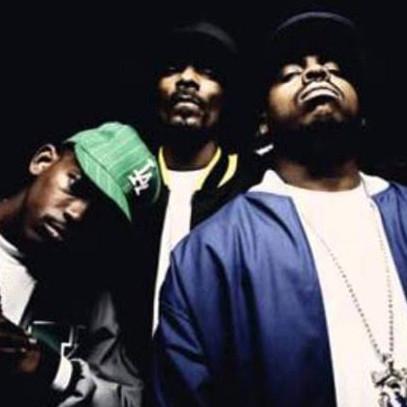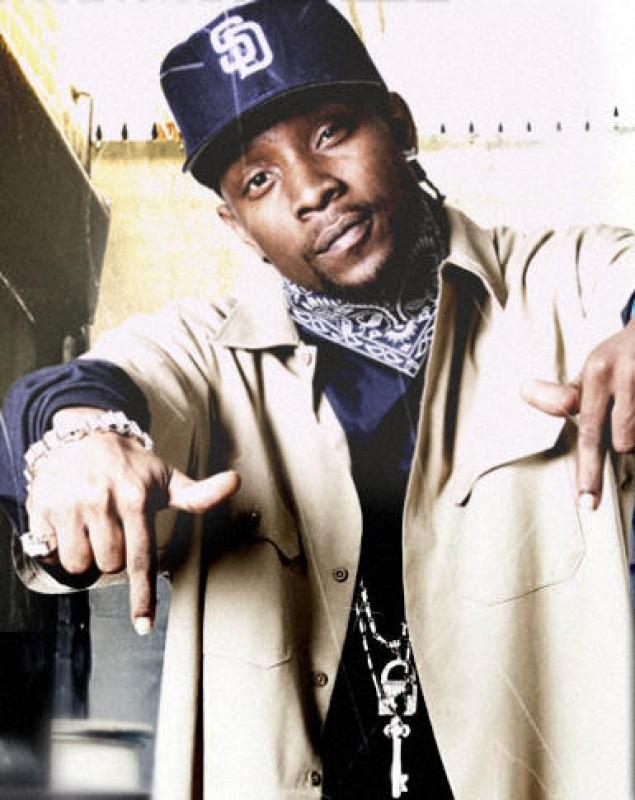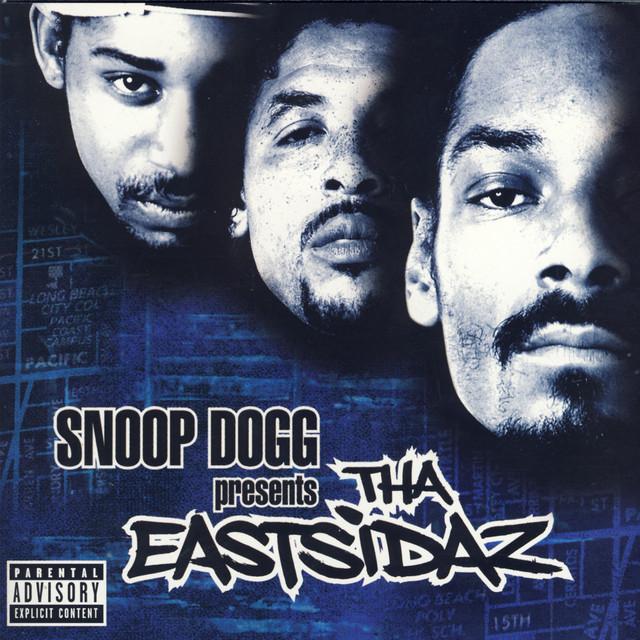
DJ Quik

Hip Hop
Contemporary Hip Hop
 Viberate Rank: 11248
 Viberate Rank: 11248
 Monthly ListenersFollowers
 Subscribers
 Followers
 Followers
 FansTop Spotify Songs
| Track | 7-Day Streams | |
|---|---|---|
1 | 123.18K | |
2 | 107.33K | |
3 | 73.09K | |
4 | 46.95K | |
5 | 33.23K |
Top YouTube VideosMonthly ListenersFeatured in Playlists| Playlist | Followers | |
|---|---|---|
1 |  West Coast Classics Spotify | 1.04M |
2 |  Old School Hip Hop Filtr Sweden | 779.30K |
3 |  90s R&B Hits (Top 100) Nostalgic Vibes | 234.83K |
4 |  90s Hip Hop Classics Nick Minto | 222.71K |
5 | 90’s - 2000’s throwbacks 🦋 shelllsss | 183.99K |
Audience| City | Monthly Listeners | |
|---|---|---|
1 | | 46.70K |
2 | | 16.76K |
3 | | 15.14K |
4 | | 13.40K |
5 | | 13.33K |
See full performance history, audience data, playlist activity, rankings, comparisons, and more in Viberate music analytics. Start with a free trial, then continue with a paid plan.
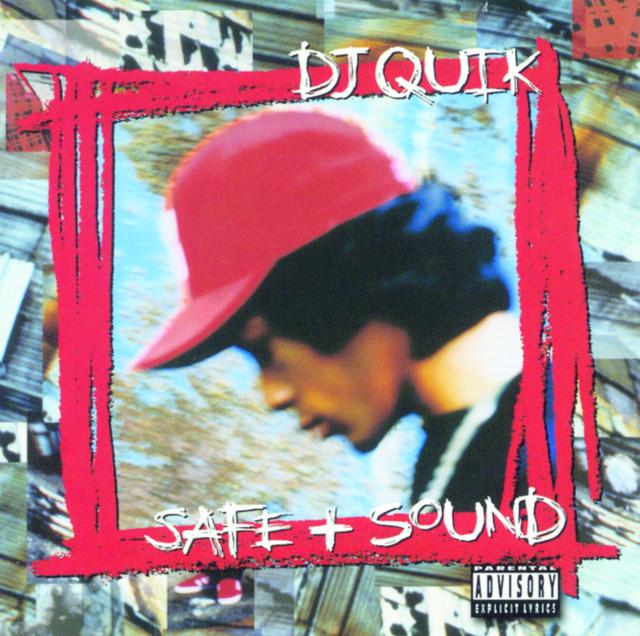
DJ Quik’s Spotify BioOne of the most revered figures in rap since his early-'90s debut, DJ Quik emerged as a formidable rapper/producer and extended his career working primarily as a funk-inspired beatmaker for stars and protégés alike. Quik, born David Marvin Blake, made a name for himself in his native Compton, California by compiling mixtapes that also featured AMG, 2nd II None, and Hi-C. On the basis of these tapes, he was signed to Profile and debuted with Quik Is the Name (1991), on which he produced all the tracks and rarely shared the mike -- a rare solo rap artist to do so. The album spawned the Top 20 Billboard R&B/hip-hop chart hits "Tonite" and "Born and Raised in Compton" on its way to RIAA platinum certification. Through the '90s, DJ Quik added to his solo discography with Way 2 Fonky (1992), Safe & Sound (1995), and Rhythm-al-ism (1998), all three of which were certified gold. During this decade, Quik racked up outside production credits as part of Penthouse Players Clique and granted beats… to several fellow rappers, mostly West Coast associates, but his most successful collaborative effort was Tony! Toni! Toné!'s "Let's Get Down," a Top 30 pop hit for the R&B group.
After Balance & Options (2000), Quik was dropped by Profile parent label Arista and had his solo output distributed by Universal for Under tha Influence (2002), released the same year he produced Truth Hurts' Top Ten pop hit "Addictive." Again without a major-label deal, DJ Quik established his own label, Mad Science, with Trauma (2005) and Greatest Hits Live at the House of Blues (2006). A duo album with Kurupt, BlaQKout (2009), closed out Quik's second decade in strong form. By that point, his production prowess had also been sought by the likes Snoop Dogg, Janet Jackson, Jay-Z, and the Game, though he subsequently became extremely selective with his clientele. Into the 2010s, Quik's output included The Book of David (2011) and The Midnight Life (2014), as well as another duo album, Rosecrans (2017), with Problem. ~ Jason Birchmeier & Andy Kellman, Rovi
Viberate is a music analytics platform built for A&Rs, artist managers, labels, booking agents, marketers, and artists.
It helps music professionals track artist growth, analyze audience data, monitor playlist activity, compare artists, follow song performance, and identify opportunities across the music market.
Public artist pages provide a free preview of selected artist data. Paid plans provide access to deeper analytics, historical data, charts, comparisons, playlist tools, exports, alerts, reports, and additional professional features.
Yes. Public Viberate artist pages provide selected artist analytics and music data for free.
Viberate also offers a 7-day free trial of the full platform. A credit card is required to start the trial. The trial includes access to the complete product so users can test deeper artist analytics, historical views, playlist insights, comparisons, charts, exports, alerts, and reporting features before choosing a paid plan.
Viberate provides artist analytics across streaming, playlists, social media, video, radio airplay, songs, and audience markets.
Users can analyze Spotify performance, Spotify and Apple Music playlists, YouTube activity, TikTok and Instagram growth, radio spins, song performance, audience locations, demographics, rankings, and overall artist momentum.
Artist profiles also connect to music charts, similar artists, and comparison tools, helping users benchmark performance and evaluate artists in context.
Viberate updates key artist and track data daily.
For followed artists and tracks, selected data is refreshed multiple times per day. This helps teams monitor playlist changes, streaming movement, audience growth, releases, and campaign performance with more current data.
Update frequency can vary depending on the metric and data source.
Yes. Viberate lets users compare up to five artists side by side across streaming, social media, audience, and engagement metrics.
Users can compare fanbase growth, audience demographics, locations, Spotify performance, social metrics, and other artist data over selected time periods.
Artist comparison can be used for A&R scouting, benchmarking, booking decisions, campaign planning, and evaluating artists with similar audiences or market positions.