Texas Is The Reason

Rock
Alternative Rock
Indie Rock
 Viberate Rank: 61144
 Viberate Rank: 61144
 Monthly ListenersFollowers
 Subscribers
 Followers
 Followers
 FansTop Spotify Songs
| Track | 7-Day Streams | |
|---|---|---|
1 | 164.89K | |
2 | 17.79K | |
3 | 10.06K | |
4 | 7.77K | |
5 | 7.50K |
Top YouTube VideosMonthly ListenersFeatured in Playlists| Playlist | Followers | |
|---|---|---|
1 |  real / tiktok slideshows + corecore rasmus bjødstrup | 151.11K |
2 |  Music to study 🙇🏿♀️🙇🏿♀️ | 77.63K |
3 |  2000s Fall 🍂🍁☕️ IconicStar | 66.60K |
4 |  Club Kid Official Playlist Spotify | 60.36K |
5 |  2000's older brother core Joe Fatts | 57.86K |
Audience| City | Monthly Listeners | |
|---|---|---|
1 | | 6.37K |
2 | | 5.10K |
3 | | 4.64K |
4 |  | 3.61K |
5 | | 3.58K |
See full performance history, audience data, playlist activity, rankings, comparisons, and more in Viberate music analytics. Start with a free trial, then continue with a paid plan.
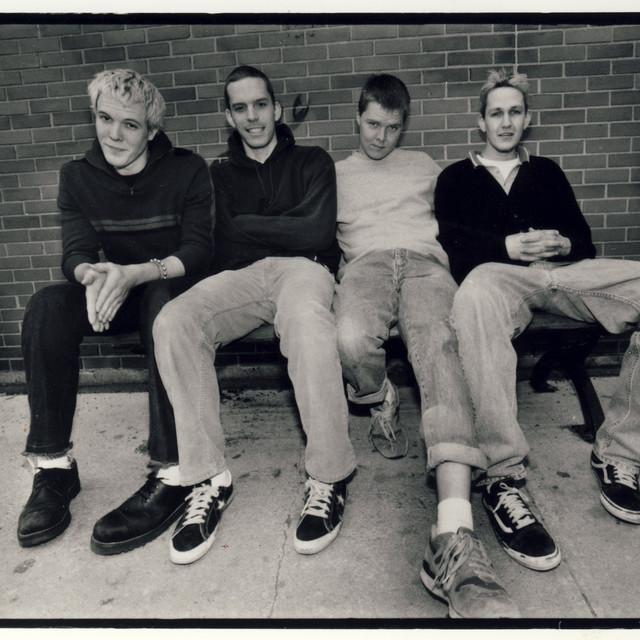
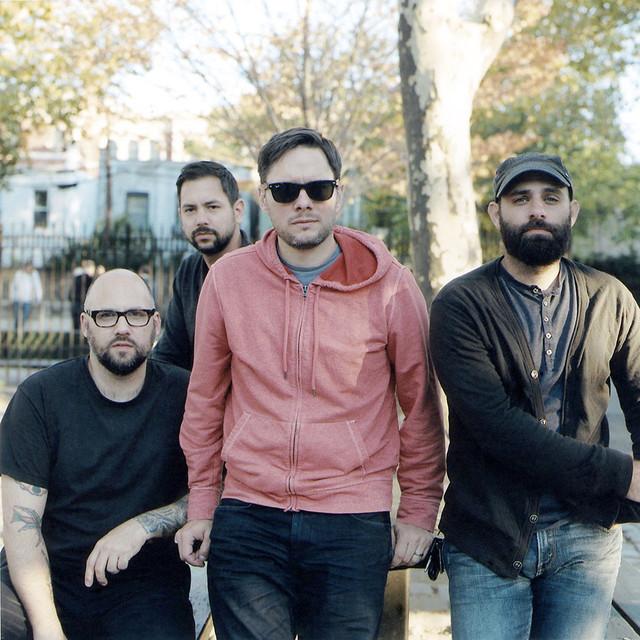
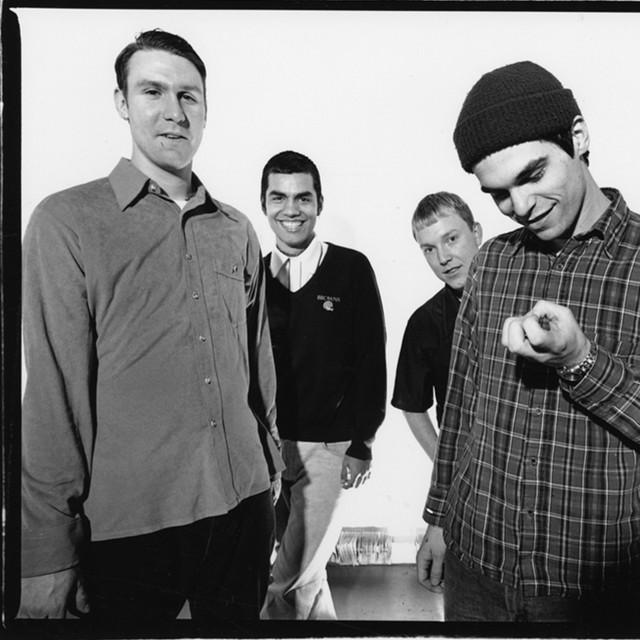
Texas Is The Reason’s Spotify BioTexas Is the Reason imploded at a time when they were being touted as the "next big thing" in the wake of the punk explosion on MTV. They were one of the roots of the then healthy post-Sunny Day Real Estate-core tree, crafting melodious yet forceful indie rock, or emocore, with finesse, sensitivity, and a bit of attitude. Shortly after releasing one of Revelation Records' highest-selling albums, the New York City-based quartet disbanded on the eve of signing with one of several major labels courting them in 1997.
Fanzine editor, freelance writer, and former Shelter guitarist Norm Arenas formed Texas Is the Reason with former 108 drummer and then fellow Hare Krishna devotee Chris Daly. Both desired to get away from the more macho elements of the hardcore sound and aesthetic and the religious preaching of their former, if beloved, bands. Together with Fountainhead bassist Scott Winegard, the guys recruited singer/guitarist Garrett Klahn, one-time bassist for Buffalo's Copper. Taking their… name from a line in the Misfits' song "Bullet," the foursome quickly wrote the four tracks that would comprise their debut eponymous debut EP.
The EP was a smash in the underground, helping inaugurate an entire genre of similarly themed emo bands. Texas Is the Reason was different from the pack mainly thanks to Klahn, with his nasally, Liam Gallagher-inspired whine and hot-shot, cavalier rock star attitude and on-stage persona. The band released a split single with Milwaukee's Promise Ring through Jade Tree. In 1995, they contributed one song to a split single with Samuel that was released by Britain's Simba. The split released was followed up by the band's debut full-length album, which was produced by Jawbox's J. Robbins. Klahn titled the record after the last statement John Lennon was alleged to have heard: Do You Know Who You Are? Major-label wining, dining, and serious courting ensued, though the band insisted for a time that they would stay with Revelation as they toured the U.S. with then labelmates Sense Field. Tension between bandmembers eventually came to a head, with Texas Is the Reason breaking up in 1997.
Following the group's dissolution, Klahn formed the band New Rising Sons with a member of Into Another, taking his Britpop fascination a more obvious step further and quickly being snatched up by Virgin Records. Daly lent his talents to a new band called Jets to Brazil. Winegard stayed active, putting out other bands' records through the grapeOS imprint he co-owns, and jamming with members of Helmet and Chamberlain in a band called the Americans. Arenas retreated from both writing and rocking for almost three years, packing up for Chicago and becoming skilled in the art of DJing.
Now living in California, Arenas and Winegard are part of a band called New End Original with the former vocalist of Far and the drummer from Chamberlain. New Rising Sons released two EPs through grapeOS, were dropped by Virgin, and disbanded. Klahn later went on to play in Solea. Texas Is the Reason re-formed for a single performance at New York's Irving Plaza over Thanksgiving weekend in 2006. ~ Ryan J. Downey, Rovi
Viberate is a music analytics platform built for A&Rs, artist managers, labels, booking agents, marketers, and artists.
It helps music professionals track artist growth, analyze audience data, monitor playlist activity, compare artists, follow song performance, and identify opportunities across the music market.
Public artist pages provide a free preview of selected artist data. Paid plans provide access to deeper analytics, historical data, charts, comparisons, playlist tools, exports, alerts, reports, and additional professional features.
Yes. Public Viberate artist pages provide selected artist analytics and music data for free.
Viberate also offers a 7-day free trial of the full platform. A credit card is required to start the trial. The trial includes access to the complete product so users can test deeper artist analytics, historical views, playlist insights, comparisons, charts, exports, alerts, and reporting features before choosing a paid plan.
Viberate provides artist analytics across streaming, playlists, social media, video, radio airplay, songs, and audience markets.
Users can analyze Spotify performance, Spotify and Apple Music playlists, YouTube activity, TikTok and Instagram growth, radio spins, song performance, audience locations, demographics, rankings, and overall artist momentum.
Artist profiles also connect to music charts, similar artists, and comparison tools, helping users benchmark performance and evaluate artists in context.
Viberate updates key artist and track data daily.
For followed artists and tracks, selected data is refreshed multiple times per day. This helps teams monitor playlist changes, streaming movement, audience growth, releases, and campaign performance with more current data.
Update frequency can vary depending on the metric and data source.
Yes. Viberate lets users compare up to five artists side by side across streaming, social media, audience, and engagement metrics.
Users can compare fanbase growth, audience demographics, locations, Spotify performance, social metrics, and other artist data over selected time periods.
Artist comparison can be used for A&R scouting, benchmarking, booking decisions, campaign planning, and evaluating artists with similar audiences or market positions.