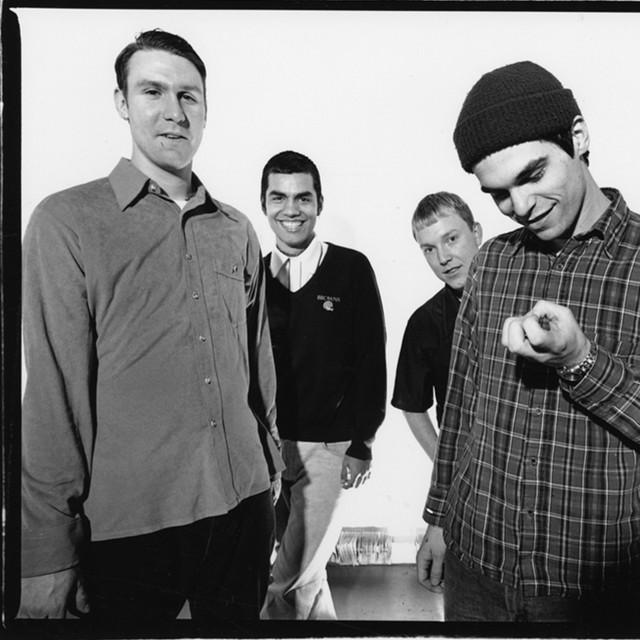
Everyone Asked About You

Rock
Alternative Rock
 Viberate Rank: 53040
 Viberate Rank: 53040
 Monthly ListenersFollowers
 Subscribers
 Followers
 Followers
 FansTop Spotify Songs
| Track | 7-Day Streams | |
|---|---|---|
1 | 285.57K | |
2 | 47.95K | |
3 | 47.51K | |
4 | 22.85K | |
5 | 19.48K |
Top YouTube Videos| Video | 7-Day Views | |
|---|---|---|
1 | 12.85K | |
2 | 720 | |
3 | 679 | |
4 | 466 | |
5 | 459 |
Monthly ListenersFeatured in Playlists| Playlist | Followers | |
|---|---|---|
1 |  yearning aliyah | 174.13K |
2 | Songs Like Creep And Where Is My Mind Ayla | 61.86K |
3 |  2026 tiktok animation trends/edits🥹✌️ lostfaith | 26.84K |
4 |  KAIZERS PLAYLIST nxnkaizer | 26.53K |
5 |  gnochi5000bea gnochi5000 | 22.95K |
Audience| City | Monthly Listeners | |
|---|---|---|
1 | | 15.43K |
2 | | 9.21K |
3 | | 9.02K |
4 | | 7.91K |
5 | | 7.76K |
See full performance history, audience data, playlist activity, rankings, comparisons, and more in Viberate music analytics. Start with a free trial, then continue with a paid plan.
Everyone Asked About You’s Spotify BioPenned between heated sessions of MarioKart64 and Goldeneye, Little Rock high school quartet Everyone Asked About You developed their own take of the emo sound that was sweeping the midwest in the late-‘90s. Built around the twin guitar attack of Chris Sheppard and Collins Kilgore, the band was held together by drummer Lee Buford’s pulverizing drums and dusted with Hannah Vogan’s twee-adjacent vocals. Channeling Rainer Maria's earnestness, The Promise Ring's knack for melody, and The Rentals' penchant for synth, the band tracked their four-song debut in 1997 and self-released on their own Landmark label. This home-made single is an important missing link in emo’s DIY beginnings, and if there’s any justice in this world Everyone Asked About You will find their place in the annals of the genre’s midwestern cousin.
25 years later, Never Leave follows up on six midwest emo seeds set into the wind of adulthood. What do we become when the guitar is pawned, when we sing only in the shower,… when our hair begins to thin, when our parents die, when the dog is on prozac. Can we crash synths and guitars and ADHD polyrhythms into our abandoned teenage call and response dreams. Catching up a quarter of a century of life in just 13 minutes, Never Leave's four songs are urgently paced. Rehearsed and tracked in their native Little Rock by Jason Weinheimer during April 2024 Total Eclipse, the EP confronts America's own darkening and wryly replies, "Where we goin' next?"
Viberate is a music analytics platform built for A&Rs, artist managers, labels, booking agents, marketers, and artists.
It helps music professionals track artist growth, analyze audience data, monitor playlist activity, compare artists, follow song performance, and identify opportunities across the music market.
Public artist pages provide a free preview of selected artist data. Paid plans provide access to deeper analytics, historical data, charts, comparisons, playlist tools, exports, alerts, reports, and additional professional features.
Yes. Public Viberate artist pages provide selected artist analytics and music data for free.
Viberate also offers a 7-day free trial of the full platform. A credit card is required to start the trial. The trial includes access to the complete product so users can test deeper artist analytics, historical views, playlist insights, comparisons, charts, exports, alerts, and reporting features before choosing a paid plan.
Viberate provides artist analytics across streaming, playlists, social media, video, radio airplay, songs, and audience markets.
Users can analyze Spotify performance, Spotify and Apple Music playlists, YouTube activity, TikTok and Instagram growth, radio spins, song performance, audience locations, demographics, rankings, and overall artist momentum.
Artist profiles also connect to music charts, similar artists, and comparison tools, helping users benchmark performance and evaluate artists in context.
Viberate updates key artist and track data daily.
For followed artists and tracks, selected data is refreshed multiple times per day. This helps teams monitor playlist changes, streaming movement, audience growth, releases, and campaign performance with more current data.
Update frequency can vary depending on the metric and data source.
Yes. Viberate lets users compare up to five artists side by side across streaming, social media, audience, and engagement metrics.
Users can compare fanbase growth, audience demographics, locations, Spotify performance, social metrics, and other artist data over selected time periods.
Artist comparison can be used for A&R scouting, benchmarking, booking decisions, campaign planning, and evaluating artists with similar audiences or market positions.