Television Personalities

Rock
Alternative Rock
Indie Rock
 Viberate Rank: 136917
 Viberate Rank: 136917
 Monthly ListenersFollowers
 Subscribers
 Followers
 Followers
 FansTop Spotify Songs
| Track | 7-Day Streams | |
|---|---|---|
1 | 4.76K | |
2 | 4.65K | |
3 | 3.04K | |
4 | 1.46K | |
5 | 1.27K |
Top YouTube VideosMonthly ListenersFeatured in Playlists| Playlist | Followers | |
|---|---|---|
1 | wicks Brennan McDowell | 43.73K |
2 |  Late Night Tales: The Collection Late Night Tales | 32.82K |
3 | 80's New Wave Pascal Amiaud | 31.90K |
4 | Unofficial Reverb Radio Jeff Ferruzzo | 21.82K |
5 |  1990s Punk & Indie Numero Group | 16.20K |
Audience| City | Monthly Listeners | |
|---|---|---|
1 | | 1.32K |
2 |  | 1.17K |
3 | | 932 |
4 | | 931 |
5 |  | 707 |
See full performance history, audience data, playlist activity, rankings, comparisons, and more in Viberate music analytics. Start with a free trial, then continue with a paid plan.
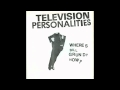
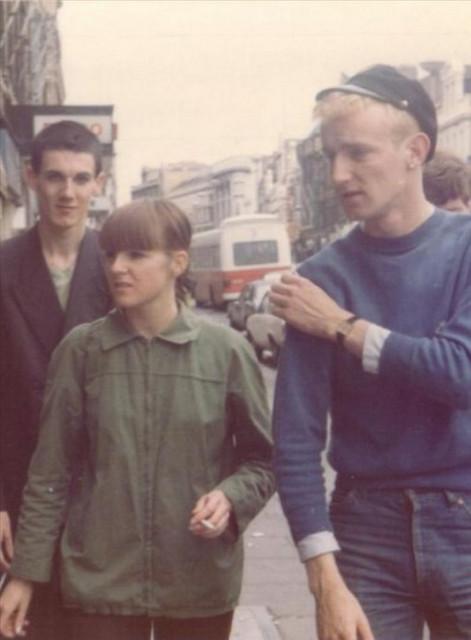
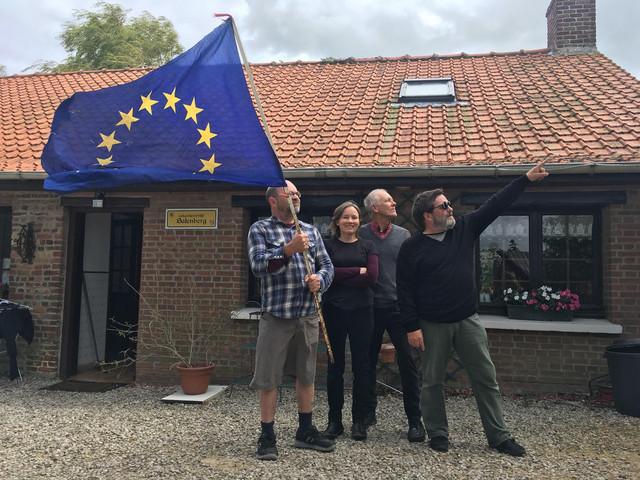
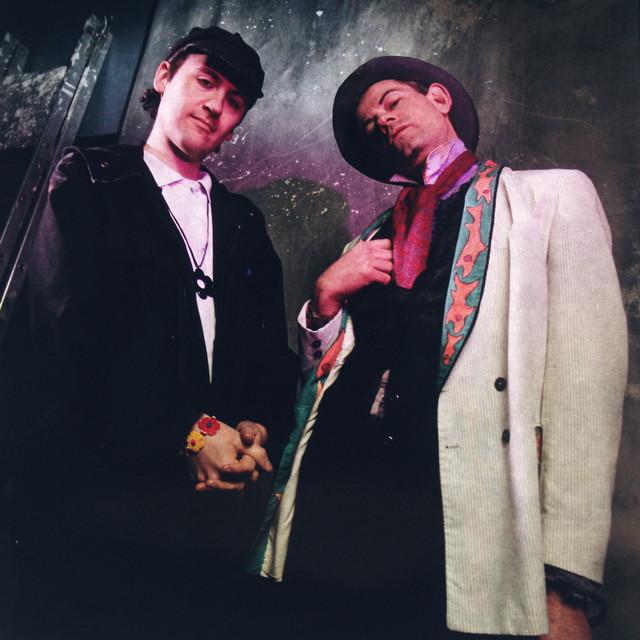
Television Personalities’ Spotify BioOver the course of a long career that led them from wide-eyed shambling pop to the outer reaches of psychedelia and back, Britain's Television Personalities influenced artists as diverse as feedback virtuosos the Jesus and Mary Chain, twee pop titans the Pastels, lo-fi kingpins Pavement, and neo-psych oddballs MGMT. Led by the alternately whimsical and devastating songwriting of Dan Treacy, the band began recording in the late '70s with an off-kilter take on punk. They've since followed a winding path, resulting in a long string of songs (from 1978's "Part Time Punk" to 2010's "A New Tattoo") and albums (classics like 1981's ...And Don't the Kids Just Love It and 2006's wrenching My Dark Places) that were always hooky, emotionally powerful and beloved by those who understood Treacy's outsider vision and unique voice.
The band started when Treacy grew so inspired by the nascent punk movement that he recorded a 1977 single, "14th Floor," with his friends in the group O Level. The BBC's… John Peel became a vocal supporter of the group, which was soon dubbed Television Personalities. A year later they issued the Where's Bill Grundy Now? EP, featuring their lone hit, "Part-Time Punks."
Always a loose-knit group, the first relatively stable TVP lineup consisted of Treacy, organist/vocalist Ed Ball, and guitarist Joe Foster, who recorded the band's 1980 debut, And Don't the Kids Just Love It, a step into psychedelic pop typified by songs like "I Know Where Syd Barrett Lives." Treacy and Ball soon founded their own label, Whaam! (later renamed Dreamworld after threats from George Michael's attorneys), to issue 1981's Mummy Your Not Watching Me, which made the Personalities one of the figureheads of a London psychedelia revival.
Ball exited around the time of the release of 1982's They Could Have Been Bigger Than the Beatles, a collection of re-recordings along with renditions of the Creation's "Making Time" and "Painter Man." Released in 1984, the dark and moody The Painted Word was followed the next year by the live set Chocolat-Art, by which point TVPs were in dire straits -- broke and without a label, they could do little but infrequently perform live for several years, and were forced to watch the C-86/anorak pop groundswell (a movement they directly presaged) from the sidelines.
Comprised of Treacy, ex-Swell Map Jowe Head, and drummer Jeffrey Bloom, the band finally won a contract with Fire Records in 1989, and resurfaced later that year with the EP Salvador Dali's Garden Party, followed in 1990 by the mod-flavored Privilege. After a handful of singles and EPs, Television Personalities issued the 1992 double-LP Closer to God; despite critical approval, the album failed to find an audience, and Treacy reportedly fell prey to depression and drug problems. After several more years of occasional singles, they issued the harrowing I Was a Mod Before You Was a Mod, followed in 1996 by Top Gear.
By the time that Don't Cry Baby...It's Only a Movie was released in November of 1998, Treacy had gone missing. Rumors of mental illness, drug abuse, homelessness, and even death were tossed about until finally in 2004 Treacy wrote a letter to Iain Baker, an old friend and DJ at London's XFM. In it he disclosed that he was incarcerated on a prison boat in Dorset. Following his release in June of 2004, Treacy set about resurrecting TVPs, playing some gigs and posting a hilarious web journal. Finally, in March of 2006 a new album, My Dark Places, was released on the influential Domino label. Are We Nearly There Yet? followed one year later, although some of its material had been recorded just after Treacy's release from prison.
Numerous live gigs and tours followed during the rest of the 2000s, including a spot on December 2009's All Tomorrow's Parties event (curated by My Bloody Valentine). In June of the following year, A Memory Is Better Than Nothing appeared on the Rocketgirl label, and the band earned high praise as well as publicity when MGMT debuted "Song for Dan Treacy" on their album Congratulations. Late in 2011, however, Treacy suffered a blood clot in his brain and was forced to undergo emergency surgery. The procedure was severe enough that it left Treacy unable to make music as he recovered. The band's profile among fans of classic indie pop stayed high during Treacy's convalescence and their first four albums were reissued in 2017, followed the next year by Beautiful Despair, a collection of 1990 demos recorded by Treacy and Jowe Head. ~ Jason Ankeny, Rovi
Viberate is a music analytics platform built for A&Rs, artist managers, labels, booking agents, marketers, and artists.
It helps music professionals track artist growth, analyze audience data, monitor playlist activity, compare artists, follow song performance, and identify opportunities across the music market.
Public artist pages provide a free preview of selected artist data. Paid plans provide access to deeper analytics, historical data, charts, comparisons, playlist tools, exports, alerts, reports, and additional professional features.
Yes. Public Viberate artist pages provide selected artist analytics and music data for free.
Viberate also offers a 7-day free trial of the full platform. A credit card is required to start the trial. The trial includes access to the complete product so users can test deeper artist analytics, historical views, playlist insights, comparisons, charts, exports, alerts, and reporting features before choosing a paid plan.
Viberate provides artist analytics across streaming, playlists, social media, video, radio airplay, songs, and audience markets.
Users can analyze Spotify performance, Spotify and Apple Music playlists, YouTube activity, TikTok and Instagram growth, radio spins, song performance, audience locations, demographics, rankings, and overall artist momentum.
Artist profiles also connect to music charts, similar artists, and comparison tools, helping users benchmark performance and evaluate artists in context.
Viberate updates key artist and track data daily.
For followed artists and tracks, selected data is refreshed multiple times per day. This helps teams monitor playlist changes, streaming movement, audience growth, releases, and campaign performance with more current data.
Update frequency can vary depending on the metric and data source.
Yes. Viberate lets users compare up to five artists side by side across streaming, social media, audience, and engagement metrics.
Users can compare fanbase growth, audience demographics, locations, Spotify performance, social metrics, and other artist data over selected time periods.
Artist comparison can be used for A&R scouting, benchmarking, booking decisions, campaign planning, and evaluating artists with similar audiences or market positions.