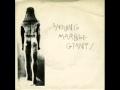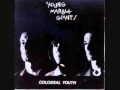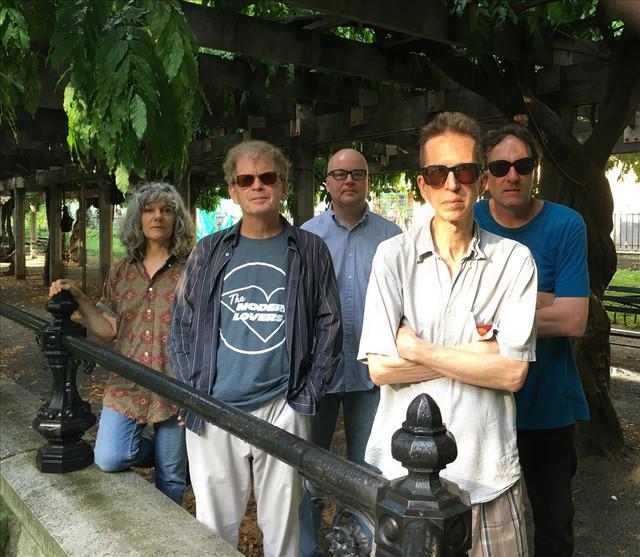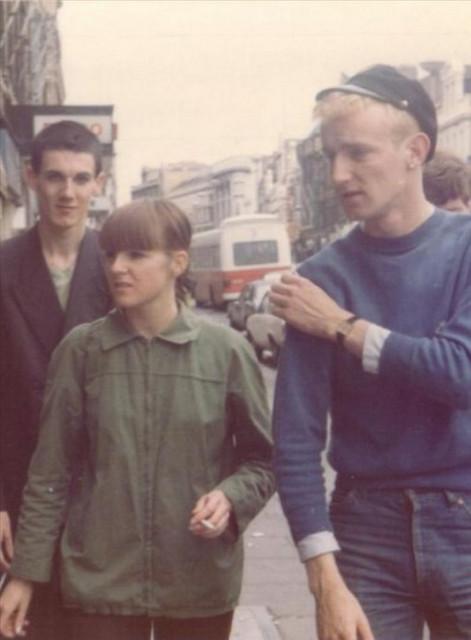
Young Marble Giants

Rock
Indie Rock
Post Punk
 Viberate Rank: 117101
 Viberate Rank: 117101
 Monthly ListenersFollowers
 Subscribers
 Followers
 Followers
 FansTop Spotify Songs
| Track | 7-Day Streams | |
|---|---|---|
1 | 5.70K | |
2 | 3.33K | |
3 | 2.23K | |
4 | 2.15K | |
5 | 1.31K |
Top YouTube VideosMonthly ListenersFeatured in Playlists| Playlist | Followers | |
|---|---|---|
1 | 80's New Wave Pascal Amiaud | 31.89K |
2 |  Ben Watt's SpinCycle Ben Watt | 23.18K |
3 | Unofficial Reverb Radio Jeff Ferruzzo | 21.82K |
4 |  The Best of Female Punk Aidan Tom Geraghty | 19.65K |
5 |  ❤️ claire | 14.92K |
Audience| City | Monthly Listeners | |
|---|---|---|
1 | | 1.02K |
2 |  | 652 |
3 | | 638 |
4 |  | 603 |
5 | | 544 |
See full performance history, audience data, playlist activity, rankings, comparisons, and more in Viberate music analytics. Start with a free trial, then continue with a paid plan.
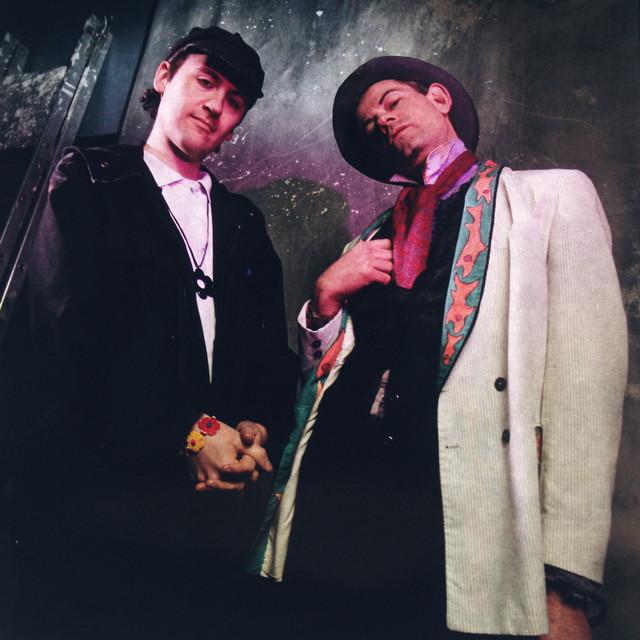
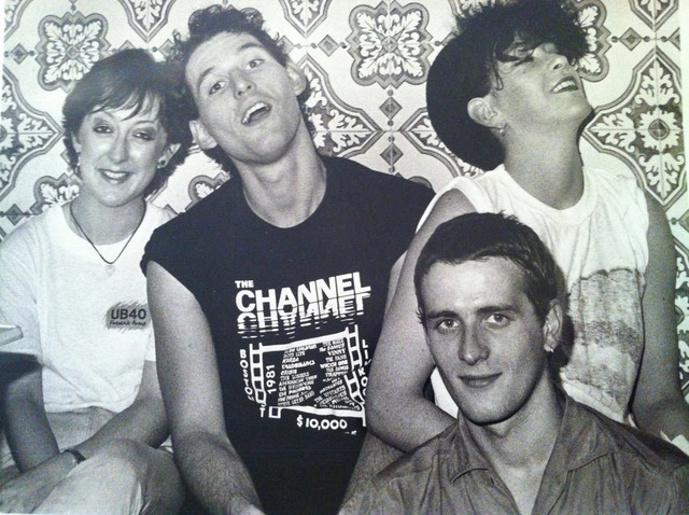
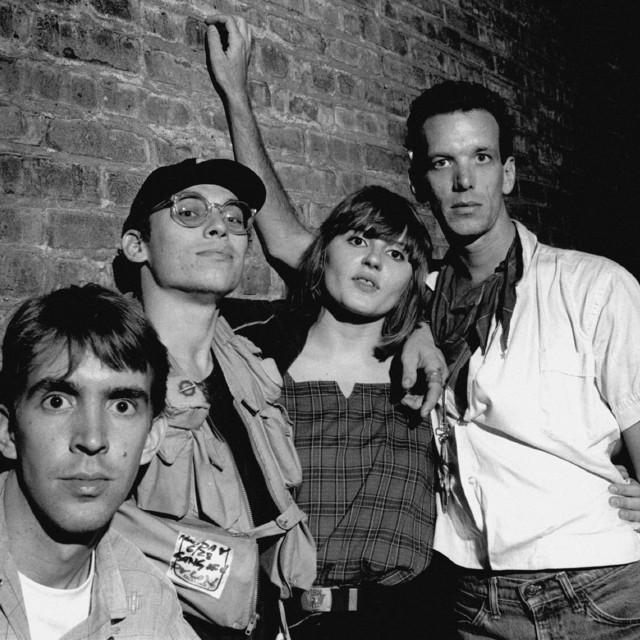
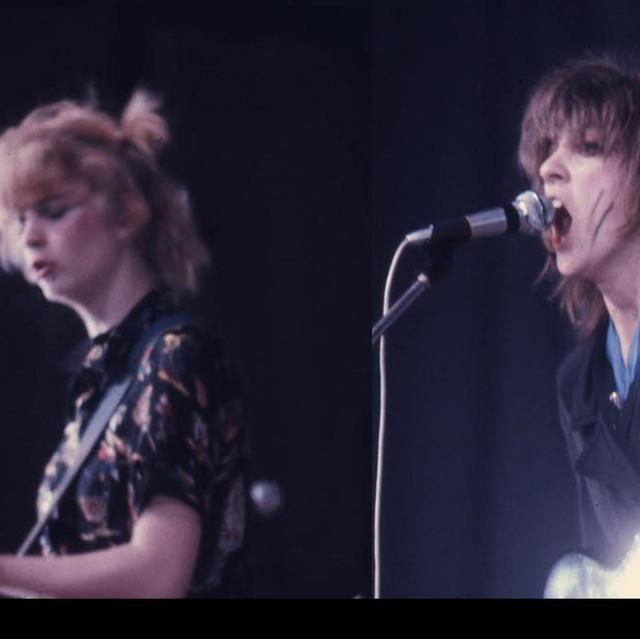
Young Marble Giants’ Spotify BioThe first formation of Welsh trio Young Marble Giants was short-lived, but in just a few years, the band created a sound that presented post-punk's experimental tendencies in their most minimal rendering without sacrificing any excitement. Stripping most songs down to funky bass lines, steadfast drum machine rhythms, disaffected vocals, and the occasional floating pad of organ or guitar, Young Marble Giants managed to in fact squeeze more excitement and chance out of their economical approach. Though the group would reunite as new generations were influenced by their unique perspectives on pop minimalism, they produced just two EPs and their sole 1980 full-length album, Colossal Youth, before moving on to other projects.
Young Marble Giants was formed in Cardiff in 1978 by vocalist Alison Statton and brothers Philip and Stuart Moxham. All three had played together in a band called True Wheel, and when that group broke up, they reconfigured with a drummer-less sound that leaned more into… atmosphere and subtlety than the abrasive approach many of their peers were exploring at the time. The result of their spacious arrangements were both haunting and captivating, and after producing a few homemade demos and compilation tracks, they signed on with Rough Trade Records when the label heard only a few songs. The band's only studio album, Colossal Youth, was released in February 1980, and they toured internationally in support of it, doing some shows with Cabaret Voltaire. In June of the same year, they released Final Day, a four-song 7" EP. Their second EP, Testcard, was released in March 1981, and the band broke up shortly thereafter.
All three YMG members continued various musical pursuits, but the meager discography they left behind only grew in influence and appeal as the years went on. Their songs would be covered by bands as wide-ranging as Hole, Galaxie 500, and Belle & Sebastian, and echoes of their ghostly yet powerful sound could be heard in entire movements of experimental indie rock throughout the '90s, 2000s, and beyond. In 2000, a compilation of demo tracks was released under the title Salad Days, and Colossal Youth would receive multiple repackagings as the decades went on. They also reunited several times between 2003 and 2015 to play the occasional festival or reunion gig, but after a few years of one-off shows here and there, they formally announced their final disbandment after a show in London in 2015. In 2020, a 40th anniversary edition of Colossal Youth was issued by Domino Records, once again releasing Young Marble Giants' untouchable studio album and including a DVD with rare footage of one of the band's shows from a stop in New York on their 1980 tour. ~ Fred Thomas, Rovi
Viberate is a music analytics platform built for A&Rs, artist managers, labels, booking agents, marketers, and artists.
It helps music professionals track artist growth, analyze audience data, monitor playlist activity, compare artists, follow song performance, and identify opportunities across the music market.
Public artist pages provide a free preview of selected artist data. Paid plans provide access to deeper analytics, historical data, charts, comparisons, playlist tools, exports, alerts, reports, and additional professional features.
Yes. Public Viberate artist pages provide selected artist analytics and music data for free.
Viberate also offers a 7-day free trial of the full platform. A credit card is required to start the trial. The trial includes access to the complete product so users can test deeper artist analytics, historical views, playlist insights, comparisons, charts, exports, alerts, and reporting features before choosing a paid plan.
Viberate provides artist analytics across streaming, playlists, social media, video, radio airplay, songs, and audience markets.
Users can analyze Spotify performance, Spotify and Apple Music playlists, YouTube activity, TikTok and Instagram growth, radio spins, song performance, audience locations, demographics, rankings, and overall artist momentum.
Artist profiles also connect to music charts, similar artists, and comparison tools, helping users benchmark performance and evaluate artists in context.
Viberate updates key artist and track data daily.
For followed artists and tracks, selected data is refreshed multiple times per day. This helps teams monitor playlist changes, streaming movement, audience growth, releases, and campaign performance with more current data.
Update frequency can vary depending on the metric and data source.
Yes. Viberate lets users compare up to five artists side by side across streaming, social media, audience, and engagement metrics.
Users can compare fanbase growth, audience demographics, locations, Spotify performance, social metrics, and other artist data over selected time periods.
Artist comparison can be used for A&R scouting, benchmarking, booking decisions, campaign planning, and evaluating artists with similar audiences or market positions.