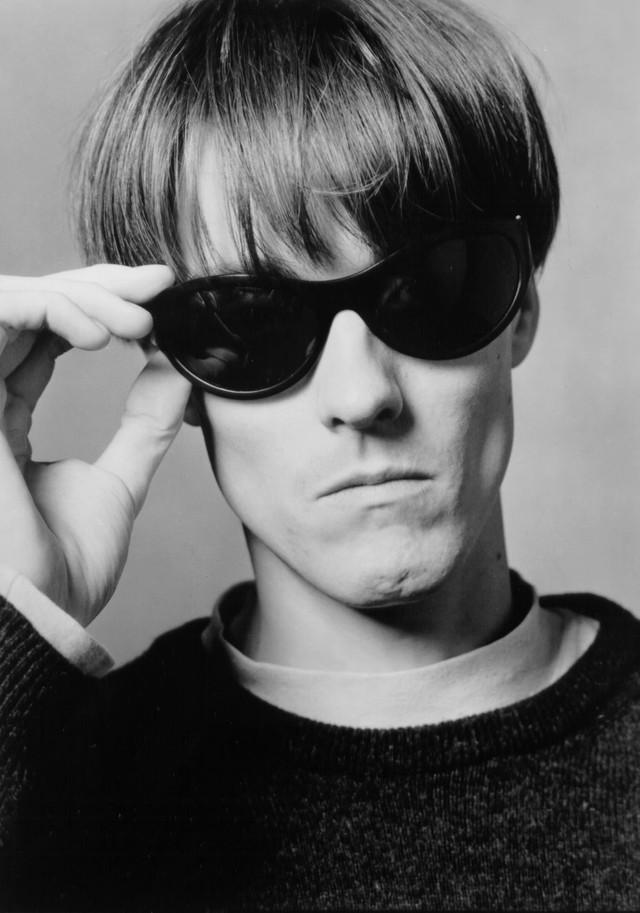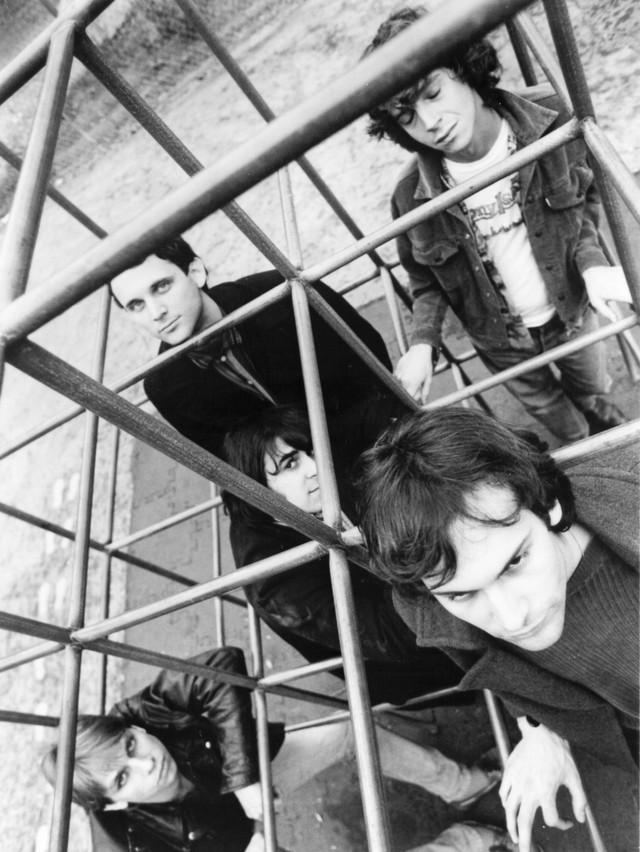
Spacemen 3

Rock
Psychedelic Rock
Space Rock
Garage Rock
 Viberate Rank: 80893
 Viberate Rank: 80893
 Monthly ListenersFollowers
 Subscribers
 Followers
 Followers
 FansTop Spotify Songs
| Track | 7-Day Streams | |
|---|---|---|
1 | 24.54K | |
2 | 7.32K | |
3 | 4.62K | |
4 | 3.58K | |
5 | 3.58K |
Top YouTube VideosMonthly ListenersFeatured in Playlists| Playlist | Followers | |
|---|---|---|
1 |  shoegaze essentials Heloísa | 33.14K |
2 |  Late Night Tales: The Collection Late Night Tales | 32.82K |
3 |  Zara Store Playlist Nir | 31.63K |
4 |  ASSTRONOMY 202 caneronwinter | 30.87K |
5 |  INDUSTRY: Seasons 1-4 Khai Yasin | 24.40K |
Audience| City | Monthly Listeners | |
|---|---|---|
1 | | 3.85K |
2 |  | 2.93K |
3 | | 2.69K |
4 | | 2.64K |
5 |  | 2.50K |
See full performance history, audience data, playlist activity, rankings, comparisons, and more in Viberate music analytics. Start with a free trial, then continue with a paid plan.
Spacemen 3’s Spotify BioSpacemen 3 were psychedelic in the loosest sense of the word; their guitar explorations were colorfully mind-altering, but not in the sense of the acid rock of the '60s. Instead, the band developed its own minimalistic psychedelia, relying on heavily distorted guitars to clash and produce their own harmonic overtones; frequently, they would lead up to walls of distortion with overamplified acoustic guitars and synths. Often the band would jam on one chord or play a series of songs, all in the same tempo and key. Though this approach was challenging, often bordering on the avant-garde, Spacemen 3 nevertheless gained a dedicated cult following. After releasing several albums in the late '80s, the band fell apart after in 1991.
In 1982, Sonic Boom (guitar, organ, vocals; born Pete Kember on November 19, 1965) and Jason Pierce (guitar, organ, vocals; also born November 19, 1965) formed Spacemen 3 in Rugby, Warwickshire, England. Sonic Boom and Pierce added a rhythm section comprised of Pete… Baines and Rosco, and spent the next four years rehearsing and jamming. In 1986, the group released its debut album, Sound of Confusion, on Glass Records. At first the band sounded a bit like a punked-up garage rock band, but their music quickly evolved into their signature trance-like neo-psychedelia. Spacemen 3's second album, 1987's The Perfect Prescription, was the first to capture the group's distinctive style.
Following 1989's Playing With Fire, Baines and Rosco left the group to form their own band, the Darkside. They were replaced by Will Carruthers and Jon Mattock. Despite the addition of new blood to its lineup, the band was beginning to fray because of in-fighting between Sonic Boom and Pierce, as well as the former's increasing drug dependency. The new lineup struggled through a final album, 1991's Recurring, which featured Boom's songs on side one and Pierce's on side two. By the time of the release of Recurring, Pierce was performing with Carruthers and Mattock in a new band called Spiritualized. Shortly after the release of Recurring, Spacemen 3 split, and Spiritualized became Pierce's full-time band, eventually earning a cult following of its own. ~ Stephen Thomas Erlewine, Rovi
Viberate is a music analytics platform built for A&Rs, artist managers, labels, booking agents, marketers, and artists.
It helps music professionals track artist growth, analyze audience data, monitor playlist activity, compare artists, follow song performance, and identify opportunities across the music market.
Public artist pages provide a free preview of selected artist data. Paid plans provide access to deeper analytics, historical data, charts, comparisons, playlist tools, exports, alerts, reports, and additional professional features.
Yes. Public Viberate artist pages provide selected artist analytics and music data for free.
Viberate also offers a 7-day free trial of the full platform. A credit card is required to start the trial. The trial includes access to the complete product so users can test deeper artist analytics, historical views, playlist insights, comparisons, charts, exports, alerts, and reporting features before choosing a paid plan.
Viberate provides artist analytics across streaming, playlists, social media, video, radio airplay, songs, and audience markets.
Users can analyze Spotify performance, Spotify and Apple Music playlists, YouTube activity, TikTok and Instagram growth, radio spins, song performance, audience locations, demographics, rankings, and overall artist momentum.
Artist profiles also connect to music charts, similar artists, and comparison tools, helping users benchmark performance and evaluate artists in context.
Viberate updates key artist and track data daily.
For followed artists and tracks, selected data is refreshed multiple times per day. This helps teams monitor playlist changes, streaming movement, audience growth, releases, and campaign performance with more current data.
Update frequency can vary depending on the metric and data source.
Yes. Viberate lets users compare up to five artists side by side across streaming, social media, audience, and engagement metrics.
Users can compare fanbase growth, audience demographics, locations, Spotify performance, social metrics, and other artist data over selected time periods.
Artist comparison can be used for A&R scouting, benchmarking, booking decisions, campaign planning, and evaluating artists with similar audiences or market positions.