Teddy Wilson

Jazz
Swing
Smooth Jazz
 Viberate Rank: 42622
 Viberate Rank: 42622
 Monthly ListenersFollowers
 Subscribers
 Followers
 Followers
 FansTop Spotify Songs
| Track | 7-Day Streams | |
|---|---|---|
1 | 114.85K | |
2 | 107.05K | |
3 | 67.17K | |
4 | 33.77K | |
5 | 21.68K |
Top YouTube VideosMonthly ListenersFeatured in Playlists| Playlist | Followers | |
|---|---|---|
1 |  Coffee Table Jazz Spotify | 2.67M |
2 |  Feel Good Jazz Spotify | 549.36K |
3 |  Cozy Coffee Shop ☕ Jazz in the Background Cozy Coffee Shop | 343.78K |
4 |  Focus Jazz Spotify | 330.08K |
5 |  Dark Academia Jazz Spotify | 282.77K |
Audience| City | Monthly Listeners | |
|---|---|---|
1 |  | 7.10K |
2 | | 6.36K |
3 | | 5.44K |
4 |  | 4.88K |
5 |  | 4.39K |
See full performance history, audience data, playlist activity, rankings, comparisons, and more in Viberate music analytics. Start with a free trial, then continue with a paid plan.
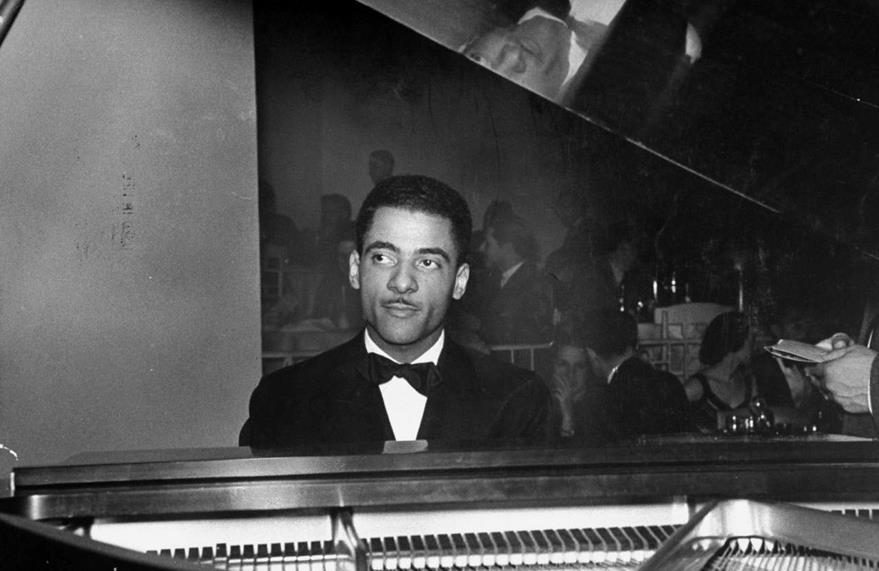
Teddy Wilson’s Spotify BioTeddy Wilson was the definitive swing pianist, a solid and impeccable soloist whose smooth and steady style was more accessible to the general public than players like Earl Hines or Art Tatum. He picked up early experience playing with Speed Webb in 1929 and appearing on some Louis Armstrong recordings in 1933. Discovered by John Hammond, Willie joined Benny Carter's band and recorded with the Chocolate Dandies later that year. In 1935, he began leading a series of classic small-group recordings with swing all-stars that on many occasions featured Billie Holiday. That was also the year that an informal jam session with Benny Goodman and Gene Krupa resulted in the formation of the Benny Goodman Trio (Lionel Hampton made the group a quartet the following year). Although he was a special added attraction rather than a regular member of the orchestra, Wilson's public appearances with Goodman broke important ground in the long struggle against segregation.
Between his own dates, many… recordings with Benny Goodman's small groups and a series of piano solos, Teddy Wilson recorded a large number of gems during the second half of the 1930s. He left B.G. in 1939 to form his own big band but, despite some fine records, it folded in 1940. Wilson led a sextet at Cafe Society from 1940 to 1944, taught music at Juilliard during the summers of 1945 to 1952, appeared on radio shows, and recorded regularly with a trio, as a soloist, and with pick-up groups in addition to having occasional reunions with Goodman. During the '60s, he worked as music director for the Dick Cavett Show, and he was awarded an Honorary Doctorate of Music from Berklee College of Music in 1979. Teddy Wilson died of stomach cancer on July 31, 1986 at the age of 73. ~ Scott Yanow, Rovi
Viberate is a music analytics platform built for A&Rs, artist managers, labels, booking agents, marketers, and artists.
It helps music professionals track artist growth, analyze audience data, monitor playlist activity, compare artists, follow song performance, and identify opportunities across the music market.
Public artist pages provide a free preview of selected artist data. Paid plans provide access to deeper analytics, historical data, charts, comparisons, playlist tools, exports, alerts, reports, and additional professional features.
Yes. Public Viberate artist pages provide selected artist analytics and music data for free.
Viberate also offers a 7-day free trial of the full platform. A credit card is required to start the trial. The trial includes access to the complete product so users can test deeper artist analytics, historical views, playlist insights, comparisons, charts, exports, alerts, and reporting features before choosing a paid plan.
Viberate provides artist analytics across streaming, playlists, social media, video, radio airplay, songs, and audience markets.
Users can analyze Spotify performance, Spotify and Apple Music playlists, YouTube activity, TikTok and Instagram growth, radio spins, song performance, audience locations, demographics, rankings, and overall artist momentum.
Artist profiles also connect to music charts, similar artists, and comparison tools, helping users benchmark performance and evaluate artists in context.
Viberate updates key artist and track data daily.
For followed artists and tracks, selected data is refreshed multiple times per day. This helps teams monitor playlist changes, streaming movement, audience growth, releases, and campaign performance with more current data.
Update frequency can vary depending on the metric and data source.
Yes. Viberate lets users compare up to five artists side by side across streaming, social media, audience, and engagement metrics.
Users can compare fanbase growth, audience demographics, locations, Spotify performance, social metrics, and other artist data over selected time periods.
Artist comparison can be used for A&R scouting, benchmarking, booking decisions, campaign planning, and evaluating artists with similar audiences or market positions.