Teddy Edwards

Jazz
Smooth Jazz
Bebop
 Viberate Rank: 283687
 Viberate Rank: 283687
 Monthly ListenersFollowers
 Subscribers
 Followers
 Followers
 FansTop Spotify Songs
| Track | 7-Day Streams | |
|---|---|---|
1 | 1.20K | |
2 | 1.20K | |
3 | 1.02K | |
4 | 586 | |
5 | 481 |
Top YouTube VideosMonthly ListenersFeatured in Playlists| Playlist | Followers | |
|---|---|---|
1 | Blues, Jazz and Funk Martin Bosley | 70.22K |
2 | Cool Smooth Jazz With Soul Gerden | 21.39K |
3 | The Best JAZZ Playlist EVER Mark Irvine | 19.14K |
4 | Ju Escobairo | 12.43K |
5 |  Midnight Jazz Bar 🍸 by Don's Tunes Don's Tunes | 11.61K |
Audience| City | Monthly Listeners | |
|---|---|---|
1 |  | 52 |
2 |  | 51 |
3 |  | 42 |
4 | | 40 |
5 | | 38 |
See full performance history, audience data, playlist activity, rankings, comparisons, and more in Viberate music analytics. Start with a free trial, then continue with a paid plan.
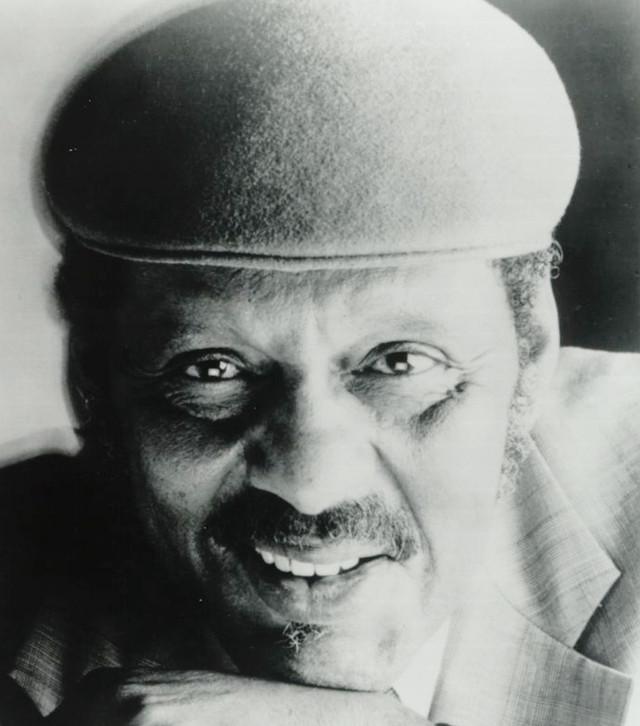
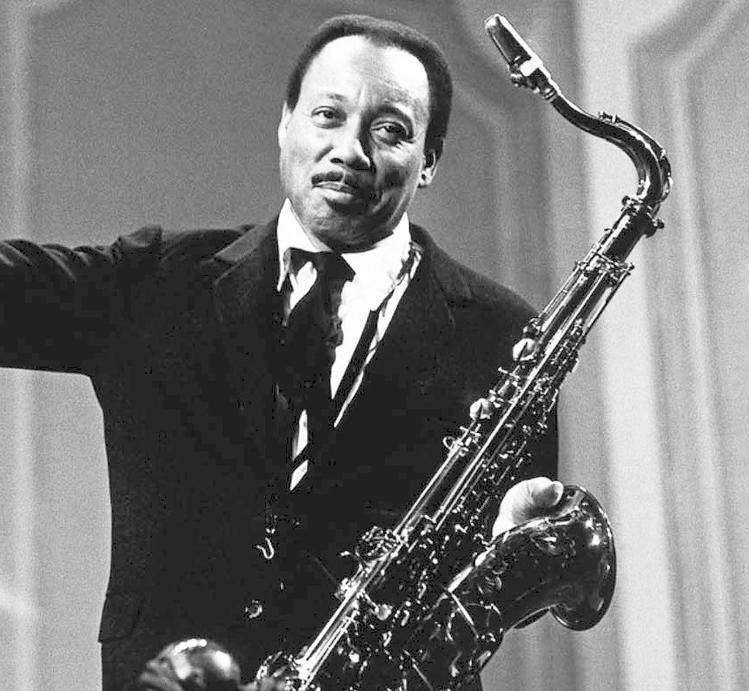
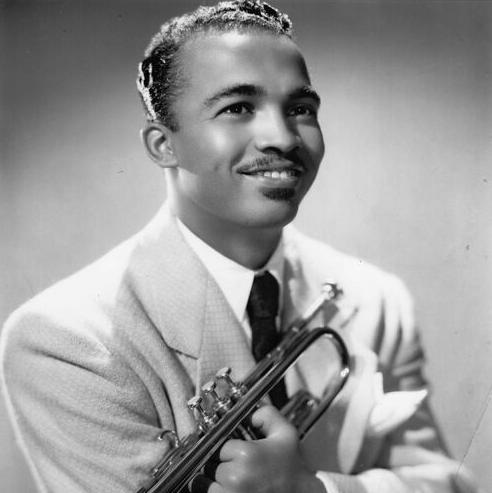
Teddy Edwards’ Spotify BioTeddy Edwards was, with Dexter Gordon and Wardell Gray, the top young tenor of the late '40s. Unlike the other two, he chose to remain in Los Angeles and has been underrated through the years but remained in prime form well into his 70s. Early on, he toured with Ernie Fields' Orchestra, moving to L.A. in 1945 to work with Roy Milton as an altoist. Edwards switched to tenor when he joined Howard McGhee's band and was featured in many jam sessions during the era, recording "The Duel" with Dexter Gordon in 1947. A natural-born leader, Edwards did work briefly with Max Roach & Clifford Brown (1954), Benny Carter (1955), and Benny Goodman (1964), and he recorded in the 1960s with Milt Jackson and Jimmy Smith. But it was his own records -- for Onyx (1947-1948), Pacific Jazz, Contemporary (1960-1962), Prestige, Xanadu, Muse, SteepleChase, Timeless, and Antilles -- that best displayed his playing and writing; "Sunset Eyes" is Edwards' best-known original. ~ Scott Yanow, Rovi
Viberate is a music analytics platform built for A&Rs, artist managers, labels, booking agents, marketers, and artists.
It helps music professionals track artist growth, analyze audience data, monitor playlist activity, compare artists, follow song performance, and identify opportunities across the music market.
Public artist pages provide a free preview of selected artist data. Paid plans provide access to deeper analytics, historical data, charts, comparisons, playlist tools, exports, alerts, reports, and additional professional features.
Yes. Public Viberate artist pages provide selected artist analytics and music data for free.
Viberate also offers a 7-day free trial of the full platform. A credit card is required to start the trial. The trial includes access to the complete product so users can test deeper artist analytics, historical views, playlist insights, comparisons, charts, exports, alerts, and reporting features before choosing a paid plan.
Viberate provides artist analytics across streaming, playlists, social media, video, radio airplay, songs, and audience markets.
Users can analyze Spotify performance, Spotify and Apple Music playlists, YouTube activity, TikTok and Instagram growth, radio spins, song performance, audience locations, demographics, rankings, and overall artist momentum.
Artist profiles also connect to music charts, similar artists, and comparison tools, helping users benchmark performance and evaluate artists in context.
Viberate updates key artist and track data daily.
For followed artists and tracks, selected data is refreshed multiple times per day. This helps teams monitor playlist changes, streaming movement, audience growth, releases, and campaign performance with more current data.
Update frequency can vary depending on the metric and data source.
Yes. Viberate lets users compare up to five artists side by side across streaming, social media, audience, and engagement metrics.
Users can compare fanbase growth, audience demographics, locations, Spotify performance, social metrics, and other artist data over selected time periods.
Artist comparison can be used for A&R scouting, benchmarking, booking decisions, campaign planning, and evaluating artists with similar audiences or market positions.