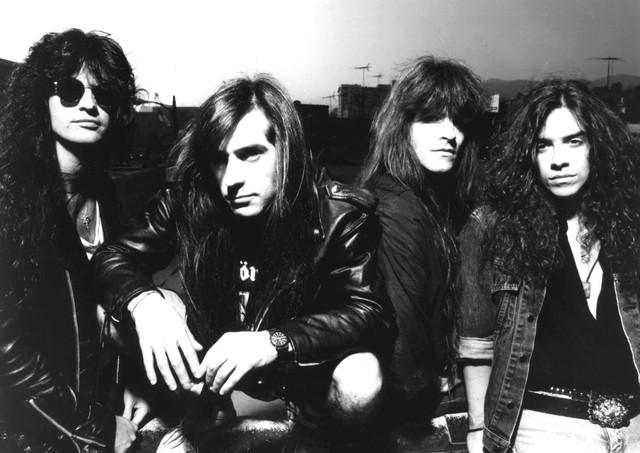
Killer Dwarfs

Rock
Hard Rock
Glam Metal
 Viberate Rank: 131706
 Viberate Rank: 131706
 Monthly ListenersFollowers
 Subscribers
 Followers
 Followers
 FansTop Spotify Songs
| Track | 7-Day Streams | |
|---|---|---|
1 | 7.25K | |
2 | 3.27K | |
3 | 2.94K | |
4 | 2.84K | |
5 | 2.78K |
Top YouTube VideosMonthly ListenersFeatured in Playlists| Playlist | Followers | |
|---|---|---|
1 |  80's Hair Bands Greatest Hits Bob Sheridan | 64.07K |
2 |  80’s Hair Metal & Rock halun1 | 40.35K |
3 |  Glam Metal Ivan BG | 23.62K |
4 |  BEST OF GLAM METAL 👩🏻🎤👩🏼🎤 agustinmorenodelrio | 13.05K |
5 |  Motorcycle Music Kevin | 6.87K |
Audience| City | Monthly Listeners | |
|---|---|---|
1 | | 626 |
2 |  | 449 |
3 | | 359 |
4 | | 310 |
5 | | 306 |
See full performance history, audience data, playlist activity, rankings, comparisons, and more in Viberate music analytics. Start with a free trial, then continue with a paid plan.
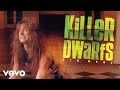
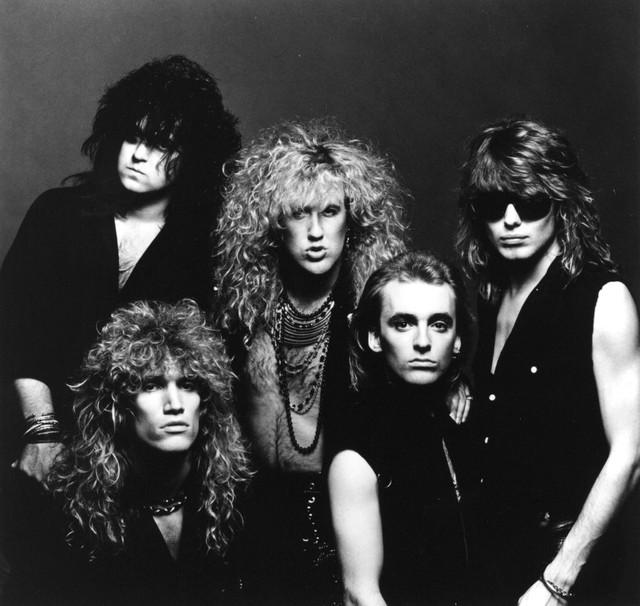
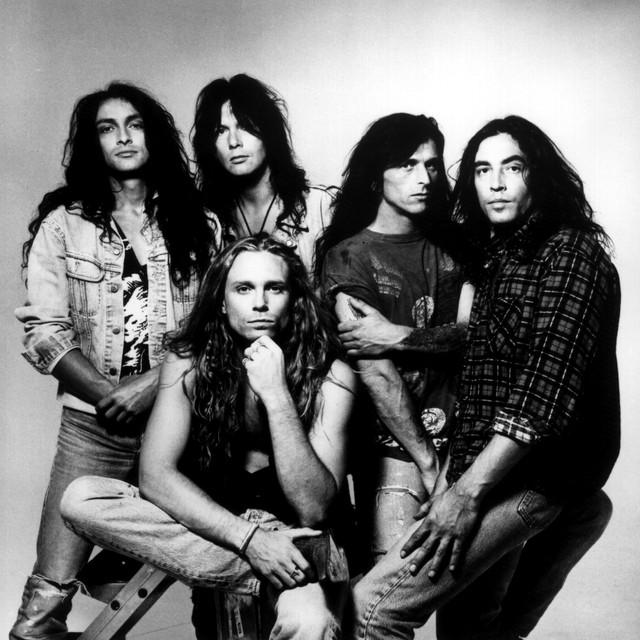
Killer Dwarfs’ Spotify BioThe Killer Dwarfs performed a style of music that can be labeled something like pop-meets-metal-meets-arena-rock. The Juno-winning group formed in 1982 in Ontario, Canada. Members included lead singer Russell Graham, drummer and singer Darrell Millar, guitarists Bryce Trewin, Gerry Finn, and Mike Hall, and bassists Angelo "Ange" Fodero and "Bad" Ronald Mayer. During the '80s and '90s, the Killer Dwarfs recorded a number of singles and albums, working under labels like Epic, Sony, Attic, and Maze. Around 1993, no longer under contract and financially running on empty, the bandmembers moved on to other music ventures.
Only a year after its formation, the Killer Dwarfs saw their self-titled debut album hit store shelves. It took three years for a sophomore offering, Stand Tall, to follow. During those years, the band lost two members, Fodero and Trewin, who were replaced by Hall and Mayer. There were other big changes, too, like the giving up of a record contract and a move to the Maze… Records label. The group spent time touring through its Canadian homeland, and crossed over into the United States to a new crop of fans. When the band's music videos landed on MTV, Epic Records soon took notice.
In between a heavy touring schedule, the Killer Dwarfs completed three more albums over the next four years; Big Deal, Dirty Weapons, and Method to the Madness. One of the singles from the latter album, "It Doesn't Matter," won the group a coveted Juno Award. It was too little too late, though, and things soon fell apart.
In 1998, the group's debut album was reissued, and plans were put underway to gather up a number of old live recordings and place them on one album for fans to enjoy. A lineup consisting of Graham, Millar, Hall, and Mayer reunited in 2001 for a North American tour, resulting in the release of the concert LP Reunion of Scribes: Live 2001, and in 2003 they issued the album Star @, which was recorded in 1993 but never saw the light of day. In 2018 the band announced that they had inked a deal with Megadeth bassist David Ellefson's EMP Label Group, who released the live album Live No Guff in April, with plans to release a new studio LP in 2019. ~ Charlotte Dillon, Rovi
Viberate is a music analytics platform built for A&Rs, artist managers, labels, booking agents, marketers, and artists.
It helps music professionals track artist growth, analyze audience data, monitor playlist activity, compare artists, follow song performance, and identify opportunities across the music market.
Public artist pages provide a free preview of selected artist data. Paid plans provide access to deeper analytics, historical data, charts, comparisons, playlist tools, exports, alerts, reports, and additional professional features.
Yes. Public Viberate artist pages provide selected artist analytics and music data for free.
Viberate also offers a 7-day free trial of the full platform. A credit card is required to start the trial. The trial includes access to the complete product so users can test deeper artist analytics, historical views, playlist insights, comparisons, charts, exports, alerts, and reporting features before choosing a paid plan.
Viberate provides artist analytics across streaming, playlists, social media, video, radio airplay, songs, and audience markets.
Users can analyze Spotify performance, Spotify and Apple Music playlists, YouTube activity, TikTok and Instagram growth, radio spins, song performance, audience locations, demographics, rankings, and overall artist momentum.
Artist profiles also connect to music charts, similar artists, and comparison tools, helping users benchmark performance and evaluate artists in context.
Viberate updates key artist and track data daily.
For followed artists and tracks, selected data is refreshed multiple times per day. This helps teams monitor playlist changes, streaming movement, audience growth, releases, and campaign performance with more current data.
Update frequency can vary depending on the metric and data source.
Yes. Viberate lets users compare up to five artists side by side across streaming, social media, audience, and engagement metrics.
Users can compare fanbase growth, audience demographics, locations, Spotify performance, social metrics, and other artist data over selected time periods.
Artist comparison can be used for A&R scouting, benchmarking, booking decisions, campaign planning, and evaluating artists with similar audiences or market positions.