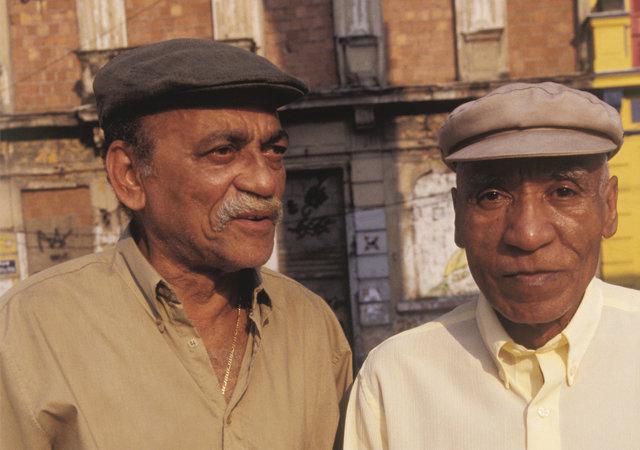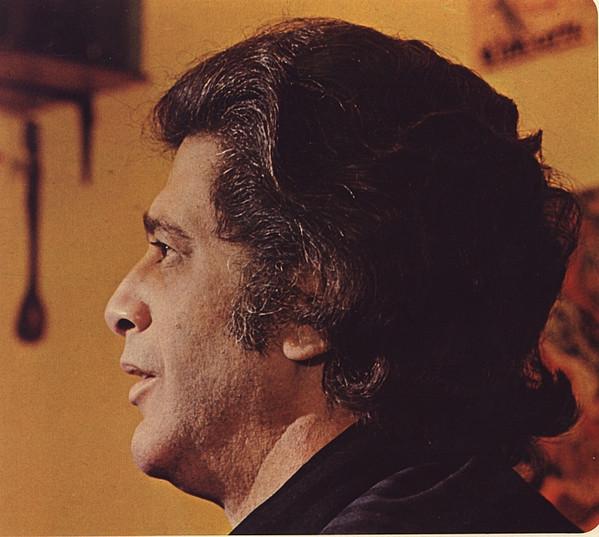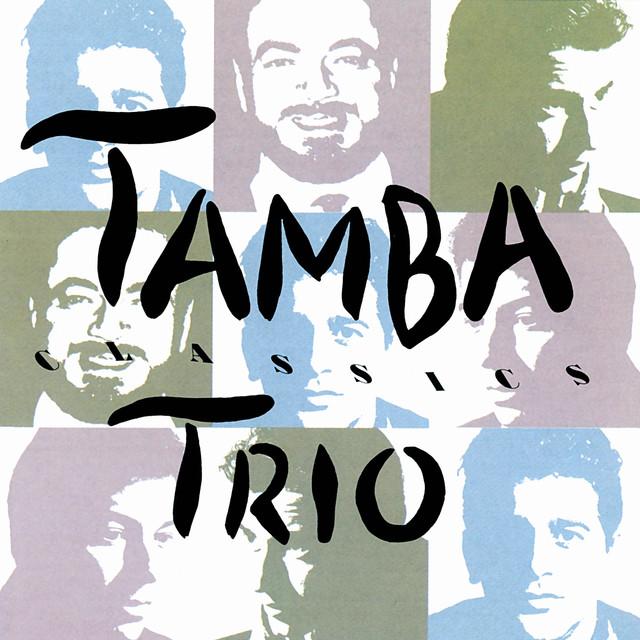
Tamba Trio

Latin
Samba
Bossa Nova
 Viberate Rank: 122890
 Viberate Rank: 122890
 Monthly ListenersFollowers
 Subscribers
 Followers
 Followers
 FansTop Spotify Songs
| Track | 7-Day Streams | |
|---|---|---|
1 | 16.58K | |
2 | 13.70K | |
3 | 8.81K | |
4 | 4.79K | |
5 | 4.32K |
Top YouTube VideosMonthly ListenersFeatured in Playlists| Playlist | Followers | |
|---|---|---|
1 |  real good shit Tom Misch | 165.62K |
2 |  Elevator Music Smash Meatchunk | 136.25K |
3 |  Bosa Nova majestic212 | 31.64K |
4 | BOSSA NOVA INSTRUMENTAL Laura Torres | 31.14K |
5 | Bossa Nova Moises Alfonso | 27.13K |
Audience| City | Monthly Listeners | |
|---|---|---|
1 | | 3.06K |
2 | | 1.48K |
3 |  | 1.13K |
4 |  | 892 |
5 |  | 759 |
See full performance history, audience data, playlist activity, rankings, comparisons, and more in Viberate music analytics. Start with a free trial, then continue with a paid plan.
Tamba Trio’s Spotify BioEasily the most talented bossa nova group of the '60s, Tamba Trio perfected a breezy, swinging version of bossa vocal-pop that proved incredibly influential in Brazil and throughout the world. Comprising pianist Luizinho Eça, bassist Bebeto (born Adalberto Castilho), and drummer Helcio Milito, Tamba Trio not only played a wide range of instruments but also contributed incredibly close harmony vocals. (Most bossa nova groups specialized in either vocals or musicianship, but not both.) Taking their name from a type of drum used by Milito, the trio formed in the early '60s and rode a wave of bossa nova popularity through the rest of the decade. From their self-titled 1962 debut, "O Barquinho" became a big hit in Brazil. One year later, their irresistibly swinging version of Jorge Ben's "Mas Que Nada" (recorded for 1963's Avanço LP) became their best-known hit -- it was used most famously by Nike in a 1998 World Cup television commercial. Tamba Trio continued recording into the late '60s,… and provided the backing for Edu Lobo's 1967 debut. In 1968, Eça and Bebeto re-formed the band (with Dorio Ferreira on bass and Ohana on drums) as Tamba 4. Though the group's two albums for Creed Taylor through CTI/A&M, We and the Sea and Samba Blim, were among the best work of their career, they failed commercially. Eça has also recorded several albums on his own. ~ John Bush, Rovi
Viberate is a music analytics platform built for A&Rs, artist managers, labels, booking agents, marketers, and artists.
It helps music professionals track artist growth, analyze audience data, monitor playlist activity, compare artists, follow song performance, and identify opportunities across the music market.
Public artist pages provide a free preview of selected artist data. Paid plans provide access to deeper analytics, historical data, charts, comparisons, playlist tools, exports, alerts, reports, and additional professional features.
Yes. Public Viberate artist pages provide selected artist analytics and music data for free.
Viberate also offers a 7-day free trial of the full platform. A credit card is required to start the trial. The trial includes access to the complete product so users can test deeper artist analytics, historical views, playlist insights, comparisons, charts, exports, alerts, and reporting features before choosing a paid plan.
Viberate provides artist analytics across streaming, playlists, social media, video, radio airplay, songs, and audience markets.
Users can analyze Spotify performance, Spotify and Apple Music playlists, YouTube activity, TikTok and Instagram growth, radio spins, song performance, audience locations, demographics, rankings, and overall artist momentum.
Artist profiles also connect to music charts, similar artists, and comparison tools, helping users benchmark performance and evaluate artists in context.
Viberate updates key artist and track data daily.
For followed artists and tracks, selected data is refreshed multiple times per day. This helps teams monitor playlist changes, streaming movement, audience growth, releases, and campaign performance with more current data.
Update frequency can vary depending on the metric and data source.
Yes. Viberate lets users compare up to five artists side by side across streaming, social media, audience, and engagement metrics.
Users can compare fanbase growth, audience demographics, locations, Spotify performance, social metrics, and other artist data over selected time periods.
Artist comparison can be used for A&R scouting, benchmarking, booking decisions, campaign planning, and evaluating artists with similar audiences or market positions.