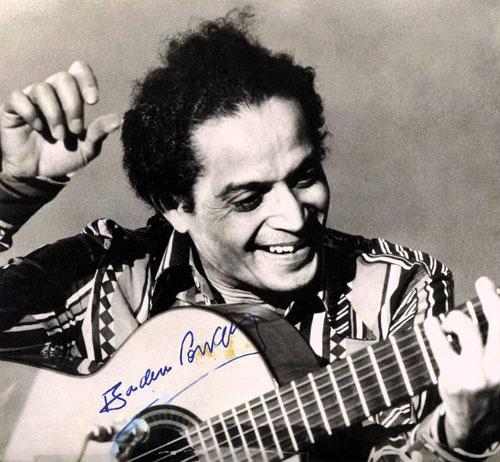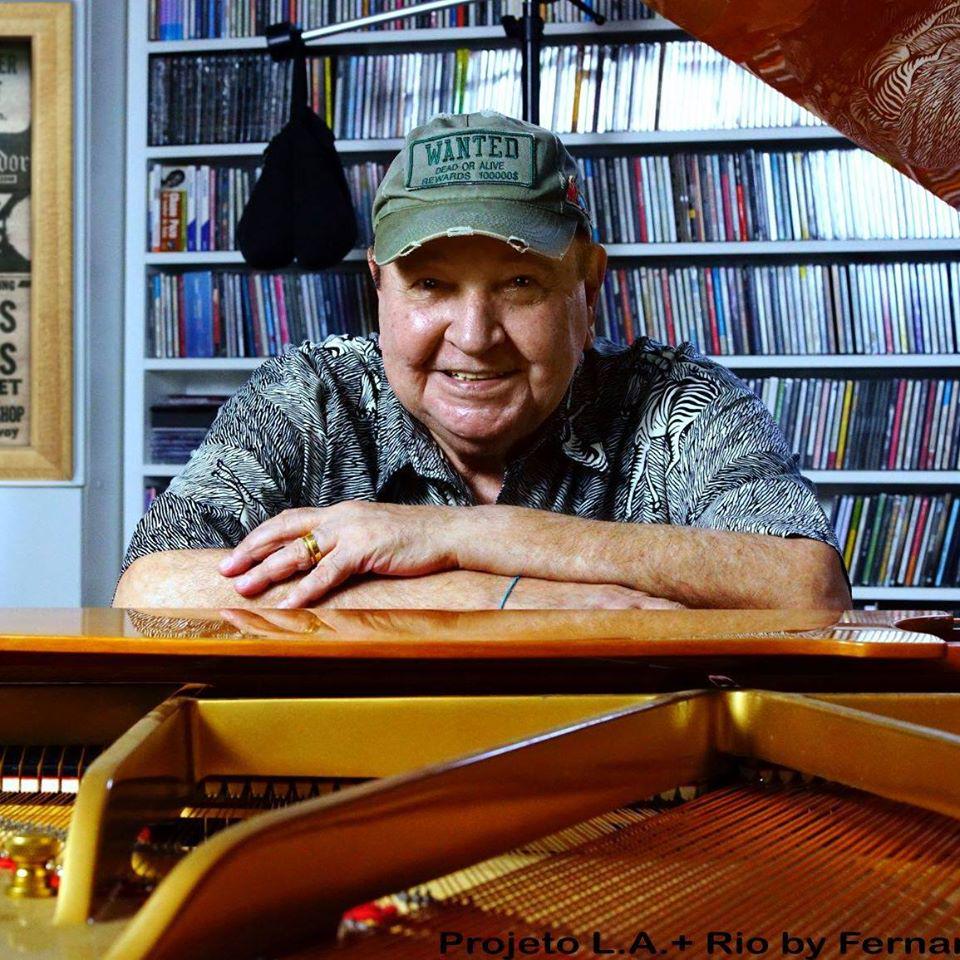
João Donato

Jazz
Latin Jazz
Bossa Nova
Samba
 Viberate Rank: 31420
 Viberate Rank: 31420
 Monthly ListenersFollowers
 Subscribers
 Followers
 Followers
 FansTop Spotify Songs
| Track | 7-Day Streams | |
|---|---|---|
1 | 153.86K | |
2 | 42.80K | |
3 | 42.73K | |
4 | 33.68K | |
5 | 32.90K |
Top YouTube Videos| Video | 7-Day Views | |
|---|---|---|
1 | 21.86K | |
2 | 2.46K | |
3 | 1.40K | |
4 | 1.18K | |
5 | 1.08K |
Monthly ListenersFeatured in Playlists| Playlist | Followers | |
|---|---|---|
1 |  Bossa Nova Spotify | 1.13M |
2 |  Aquarela Brasileira Spotify | 823.42K |
3 |  French Jazz Café Spotify | 723.88K |
4 |  Bossa Nova Classics Spotify | 667.27K |
5 |  Coleção MPB Spotify | 613.20K |
Audience| City | Monthly Listeners | |
|---|---|---|
1 | | 66.27K |
2 | | 30.71K |
3 | | 17.48K |
4 | | 13.14K |
5 |  | 12.88K |
See full performance history, audience data, playlist activity, rankings, comparisons, and more in Viberate music analytics. Start with a free trial, then continue with a paid plan.
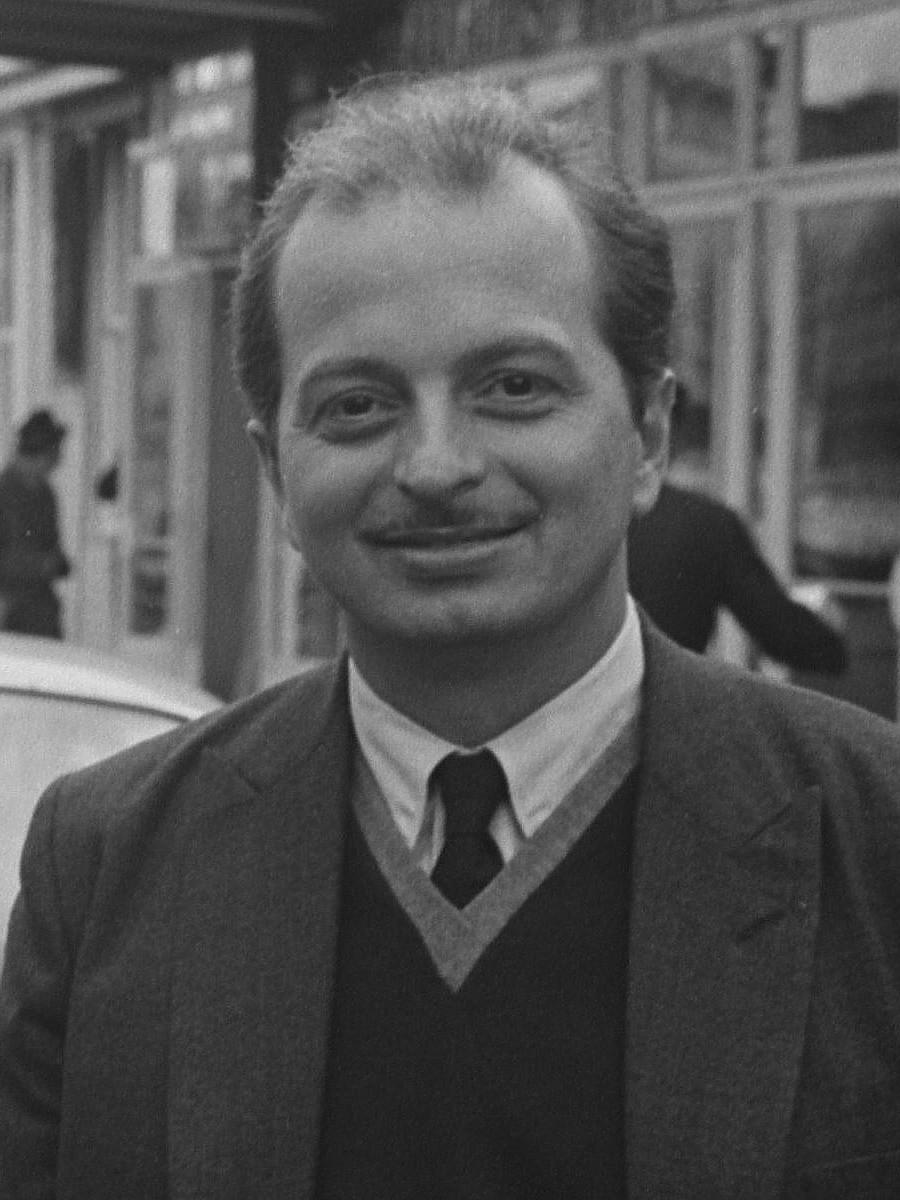
João Donato’s Spotify BioJoão Donato was a massively influential figure in the history and development of bossa nova and Brazilian jazz. The pianist, composer, and arranger recorded more than three dozen albums under his own name, and had thousands of credits. He worked with virtually every Brazilian master, both male and female, for generations. Further, he worked with Latin music masters including Mongo Santamaria and Tito Puente, and played trombone with Eddie Palmieri's La Perfecta. Unable to perform or record his adventurous brand of bossa at home, he emigrated to America. He released The New Sound of Brazil and Sambou Sambou in the U.S. In 1970, he put out the pioneering jazz-funk classic A Bad Donato, which featured (and influenced) Deodato. Donato served as musical director for Gal Costa's global Cantar show in 1974, and it introduced him to a younger generation of Brazilians who became collaborators: 1974's Quem É Quem was produced by Marcos Valle and 1975's Lugar Comum was recorded in collaboration… with Gilberto Gil. After spending a decade arranging, composing, and producing, he issued the live Leiliadas in 1986, followed by another decade-long break. The globally acclaimed Coisas Tao Simples appeared in 1995 and marked his return. Donato resumed regular recording in 2000. He collaborated with Joyce Moreno on Tudo Bonito, and reprised his role on 2009's Aquarius. A futurist meld of jazz, bossa, funk, and electro appeared on 2016's Donato Elétrico, and in 2021 he collaborated with Americans Ali Shaheed Muhammad and Adrian Younge on JID007.
Donato's first keyboard instrument was a miniature accordion, which he taught himself to play at age six. In school he learned to play the trombone (an instrument he later played on recordings), and for his 11th birthday, he was given a standard accordion by his father. That same year, 1945, Donato's father was transferred from his home city of Rio Branco in the state of Acre to Rio de Janeiro, and Donato was enrolled in formal piano lessons.
At 15, he was already a professional accordionist playing at suburban balls. His first recording dates from that period in the form of a 78 for the Star label with Altamiro Carrilho e Seu Regional, although Donato isn't credited. At 16 he began playing live in violinist Fafá Lemos' group and performed at the jam sessions of the seminal amateur jazz circle Sinatra-Farney Fan Club in Rio, frequented by jazz musicians, producers, and journalists.
In April 1953 he issued his debut 78 rpm EP. Billed to João Donato e Seu Conjunto and issued by Sinter, it contained instrumental trio versions of American and Brazilian vocal tunes. In July he formed the group Os Namorados from the ashes of Os Modernistas and Namorados da Lua and recorded the single "Eu Quero Um Samba," which introduced the bossa nova beat.
In 1955, Donato played accordion on guitarist Luiz Bonfa's self-titled debut -- the group's pianist was Tom Jobim -- and, with longtime friend João Gilberto, composed the bossa classic "Minha Saudade." In 1956, Donato released his debut full-length Chá Dançante on Odeon, produced by Jobim. He also moved from Rio to São Paulo, joining the group Os Copacabanas and the Luís César Orchestra while running his own trio.
At that time, Donato was playing at the Copacabana Palace with Copinha's orchestra, where he often chatted with the attending Gilberto. In 1958, he recorded Dance Conosco, which included two co-writes with Gilberto: the mambo "Mambinho" and, of course, the sambas "Minha Saudade" and "The Frog."
In 1959, at the ripe young age of 25, Donato and his bands were rejected by virtually all Sao Paulo nightclubs. His modernist swinging piano proved to be difficult for dancers and too sophisticated for other musicians to follow. He was ultimately banned because customers complained about not being able to dance to his music. He would approach club owners and ask to play for free to hone his chops, but was only allowed to play after 4:00 a.m., when most customers were gone. His situation became so difficult he decided to emigrate to the U.S.
A friend who toured Mexico with singer Elizete Cardoso settled in the Western U.S. and invited Donato to play a two-week engagement there. Donato ended up spending 13 years in the U.S. After seeing him play piano, word spread quickly among Latin musicians drawn to his modernist harmonics and advanced rhythmic palette. They began requesting him for gigs and recordings. He recorded Arriba! with Mongo Santamaria (Fantasy, 1961), Vaya Puente for Tito Puente (Philips, 1962), At the Black Hawk for Santamaria (Fantasy, 1962), The Astrud Gilberto Album for Astrud Gilberto and Shadow of Your Smile (Verve, 1964 and 1965), and Brazil! Brazil! Brazil! for Bud Shank (World Pacific, 1965); he issued a pair of solo outings in the U.S., The New Sound of Brazil for RCA (that included the compositions "Amazonas, covered by Chris Montez, "A Rã," co-written with a young Caetano Veloso, and "Caranguejo," recorded by Sérgio Mendes. All three tunes became big hits for the artists who covered them. Sambou Sambou appeared on Pacific Jazz in the U.S., and Donato was well on his way. In 1968, he recorded The Prophet and Solar Heat with Cal Tjader, and played on Sergio Mendes' Favorite Things with other Brazilians including Moacir Santos and Dom Um Romao (who was soon to join Weather Report).
In 1969, he recorded Donato/Deodato for Muse (though it wouldn't be released until 1973), a classic album where Latin jazz meets bossa nova. In 1970 he cut and released A Bad Donato for Blue Thumb. Produced by percussionist Emil Richards, it featured a large cast of both American and Brazilian players including bassist Ron Carter, Conte Candoli, Bud Shank, Ernie Watts, Oscar Castro-Neves, and Don Um Romao. The set became a jazz-funk classic as well as a template followed by many.
Donato returned to Brazil in 1972, and a year later recorded Quem É Quem for Odeon. In 1973, he played and sang on Dom Um Romao's self-titled Muse debut. The following year he directed Gal Costa's touring show and recorded the live album Cantar. Costa cut three of Donato's songs, including "A Ra" in duet with Veloso. The gig introduced many younger Brazilian artists to Donato's disciplined yet unconventional working methods, and they felt a kinship with him. In 1975, Donato recorded Lugar Comum with Gilberto Gil on harmony vocals throughout. Despite its popular reception in Brazil and in Europe, Donato stopped recording as a leader for a full decade.
He spent the remainder of the '70s and the first half of the '80s working with Brazilian and American artists either as a pianist, composer, arranger, or singer, and even as a producer. In 1976, he arranged half of Costa's Gal Canta Caymmi and served as a session piano player and musical director. The following year he alternated piano duties with Joe Sample on Michael Franks' Sleeping Gypsy and helmed the keyboard chair for Stanley Clarke's Bass Player. The following year he produced a slew of recordings by Brazilian singers and played piano on Milton Nascimento's classic Clube Da Esquina 2, as well as electric piano on Joao Bosco's samba-funk gem Linha de Passe. In 1979, he played percussion all over Moacir Santos' Opus 3 No. 1.
During the early '80s, Donato continued to work with many Brazilians. He composed tunes and played piano on Yana Purim's (the vocalist daughter of Flora Purim and Airto Moreira) self-titled debut for RCA in 1982. The following year he worked on guitarist/composer Vinicius Cantuária's first two EMI albums, Gávea de Manhã and Siga-Me. Also in 1983, Fontana issued the compilation O Prestígio de João Donato, showcasing his '50s and '60s sides.
In 1986, one of Donato's live shows was released by Elektra Musician as Leilíadas. Unfortunately for fans, it did not mark the return of Donato to recording under his own name. It would be another decade before that transpired. In 1987, he played grand piano on Purim's Harvest Time. He was the only acoustic pianist on the date. Herbie Hancock, Dave Matthews, and Deodato helmed the synths and clavinets. The set featured a read of Donato's and sister Lysias Ênio's "Amazonas." In 1989 Donato contributed arrangements and piano to Robertinho Silva's Bodas de Prata, and continued to perform with his own bands Brazil, Europe, and Asia.
In 1995, Japanese-Brazilian singer and guitarist Lisa Ono released the album Minha Saudade, devoted entirely to interpretations of his compositions. Donato arranged the set, played percussion, trombone, and piano, and sang on it as well. The following year, Donato finally returned to regular recording with the lauded Coisas Tao Simples for Odeon, and followed in 1997 with Café com Pão, a collaboration with Brazilian drummer Eloir de Morais on Almir Chediak's Lumiar Discos. Donato finished the century with his own Jobim tribute, Só Danço Samba. He curated, arranged, and conducted the set, as well as playing piano with a septet.
Donato kicked off the new century with Tudo Bonito, a co-billed collaboration with Joyce Moreno. They wrote four songs together. Donato sang harmony and played electric piano in an all-star band that included reed and wind masters Paulo Moura and Teco Cardoso, drummer Tutty Moreno, and bassist Rodolfo Stroeter. In 2001 he recorded the Arnaldo DeSouteiro-produced Here's That Rainy Bossa Day as a co-billed performer with Palmyra & Levita for Jazz Station Records (JSR), as well as his overview of Brazilian jazz-bossa fusion on Remando Na Raia for Luminar Discos and Ê Lalá Lay-Ê for Deckdisc, an 11-track collection of songs co-written with sister Lysias Ênio. Donato arranged, sang, and played keyboards with a large band and backing vocalists.
In 2002 Donato issued Managarroba, another collection of originals primarily written with Ênio, and the globally celebrated Wanda Sá with João Donato in 2003. The 14-track set consisted entirely of the pianist's compositions and was performed by a quintet that included Sá on vocals and acoustic guitar, Silva on drums and percussion, Jamil Joanes on bass, and J.T. Meirelles on reeds. Donato played piano and did the arrangements. A similar session also appeared that year on Luminar Discos, Encontra João Donato by Emílio Santiago, its large cast also included Silva and Joanes. The following year, JSR, in association with Japan's Rambling Records, issued a collaboration with Palmyra & Levita titled Lucy in the Sky with Bossa Diamonds; it offered radically rearranged tunes from the Brazilian and British pop canons, as well as the Great American Songbook. A year later, Germany's Whatmusic released A Blue Donato, a previously unissued live jazz set from 1973.
In 2005, he recorded and released his first concert DVD on Biscoito Fino. Donatural featured a star-studded group of singers accompanying him and his road band on the project, including Leila Pinheiro, Joyce, Emílio Santiago, Angela Rô Rô, and Gilberto Gil. In April 2006, Donato was honored by the government of the state of Acre by having their new modern arts campus names after him: "Usina de Artes e Comunicação João Donato." He and Gil performed for the ceremony.
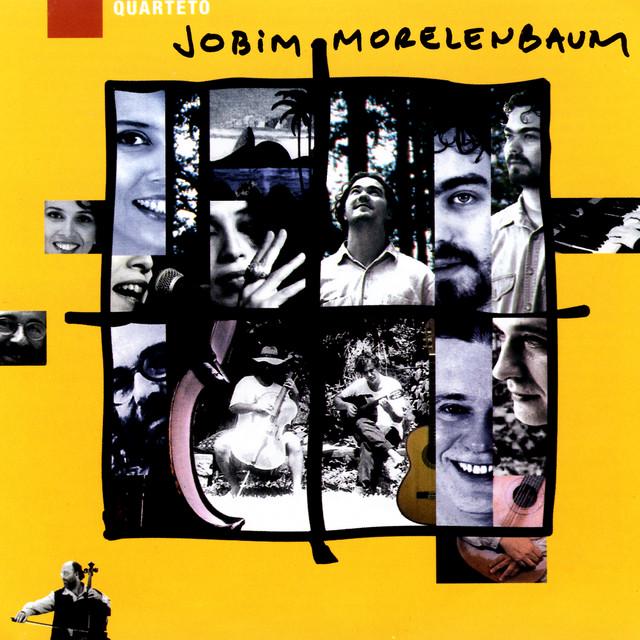
The pianist re-teamed with Moura for Dois Panos Para Manga, followed in 2007 by Deckdisc's solo O Piano de João Donato. In 2008, Donato re-teamed with Joyce for Aquarius. The leaders co-arranged the set, played by an all-star cast of Brazilian session players. and in 2009, an audio-only disc of Donatural was issued by Biscoito Fino.The label followed it with Água in 2010, a collaboration with vocalist Paula Morelenbaum. Universal Music released a redone version of Sambolero, offering the original album cuts re-recorded by two different trios between 1995 and 2001.
Donato spent the next several years playing live, writing, arranging, and producing. His 2013 performance at the 30th anniversary of Rio's Festival Jazzmania was released by Discobertas as Live Jazz in Rio, Vol 1 - O Couro Ta Comendo! the following year. In 2016, he shocked his fans and won over many new ones with Donato Elétrico. The slippery, completely electric meld of jazz-funk, lithe samba, and bossa won accolades across the globe and was nominated for a Latin Grammy in the Best Instrumental Album category. It was also chosen by the Brazilian edition of Rolling Stone magazine as one of the best Brazilian albums of 2016. He followed with Sintetizamor on Polysom, a wildly funky, electronic jazz-disco boogie outing in collaboration with Donatinho. It was named by Rolling Stone Brasil as one of 2017's best records. Amid a slew of live performances and arranging for other artists, Donato was unable to record for a couple of years. He re-emerged in the U.S. in June 2021, in collaboration with Adrian Younge and Ali Shaheed Muhammad on a new series of recordings titled João Donato JID007. João Donato died on July 17, 2023, of pneumonia. He was 88. ~ Thom Jurek, Rovi
Viberate is a music analytics platform built for A&Rs, artist managers, labels, booking agents, marketers, and artists.
It helps music professionals track artist growth, analyze audience data, monitor playlist activity, compare artists, follow song performance, and identify opportunities across the music market.
Public artist pages provide a free preview of selected artist data. Paid plans provide access to deeper analytics, historical data, charts, comparisons, playlist tools, exports, alerts, reports, and additional professional features.
Yes. Public Viberate artist pages provide selected artist analytics and music data for free.
Viberate also offers a 7-day free trial of the full platform. A credit card is required to start the trial. The trial includes access to the complete product so users can test deeper artist analytics, historical views, playlist insights, comparisons, charts, exports, alerts, and reporting features before choosing a paid plan.
Viberate provides artist analytics across streaming, playlists, social media, video, radio airplay, songs, and audience markets.
Users can analyze Spotify performance, Spotify and Apple Music playlists, YouTube activity, TikTok and Instagram growth, radio spins, song performance, audience locations, demographics, rankings, and overall artist momentum.
Artist profiles also connect to music charts, similar artists, and comparison tools, helping users benchmark performance and evaluate artists in context.
Viberate updates key artist and track data daily.
For followed artists and tracks, selected data is refreshed multiple times per day. This helps teams monitor playlist changes, streaming movement, audience growth, releases, and campaign performance with more current data.
Update frequency can vary depending on the metric and data source.
Yes. Viberate lets users compare up to five artists side by side across streaming, social media, audience, and engagement metrics.
Users can compare fanbase growth, audience demographics, locations, Spotify performance, social metrics, and other artist data over selected time periods.
Artist comparison can be used for A&R scouting, benchmarking, booking decisions, campaign planning, and evaluating artists with similar audiences or market positions.