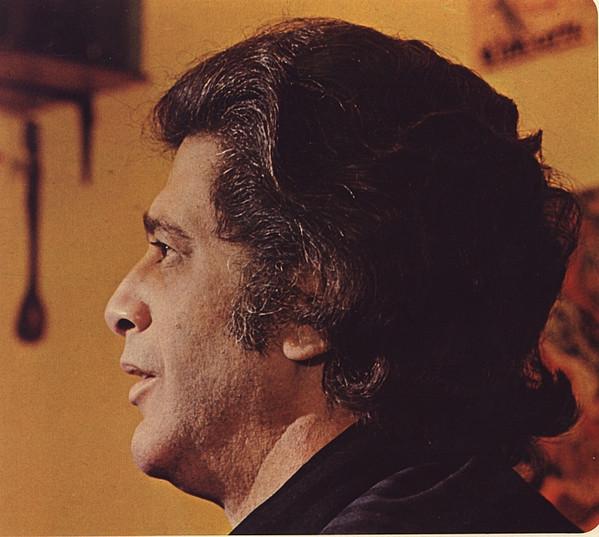
Luiz Eça

Latin
Samba
Latin Jazz
 Viberate Rank: 282965
 Viberate Rank: 282965
 Monthly ListenersFollowers
 Subscribers
 Followers
 Followers
 FansTop Spotify Songs
| Track | 7-Day Streams | |
|---|---|---|
1 | 3.86K | |
2 | 3.85K | |
3 | 3.32K | |
4 | 1.20K | |
5 | 186 |
Top YouTube VideosMonthly ListenersFeatured in Playlists| Playlist | Followers | |
|---|---|---|
1 | BOSSA NOVA INSTRUMENTAL Laura Torres | 31.14K |
2 | Bossa Nova Moises Alfonso | 27.13K |
3 |  Instrumental Bossa Nova (without vocals) nagelsbaum | 10.97K |
4 | Bossa Nova & Jazz INSTRUMENTAL Lucas Gico Montenegro | 8.85K |
5 |  music 4 u Nick Buxton | 4.91K |
Audience| City | Monthly Listeners | |
|---|---|---|
1 | | 580 |
2 | | 345 |
3 | | 151 |
4 | | 131 |
5 |  | 129 |
See full performance history, audience data, playlist activity, rankings, comparisons, and more in Viberate music analytics. Start with a free trial, then continue with a paid plan.
Luiz Eça’s Spotify BioLuíz Eça was a great asset to Brazilian music, especially for the bossa nova movement. A highly skilled, classically trained piano player, he could just as easily go from hard and swinging to quiet and introspective, having developed an original musical vocabulary mixing Brazilian rhythmic tradition and erudite advanced harmonies. He was also strongly influenced by jazz, and could perform in the style of any jazz pianist giant, which he used to do, but only for friends, because professionally, he always had a highly distinctive voice.
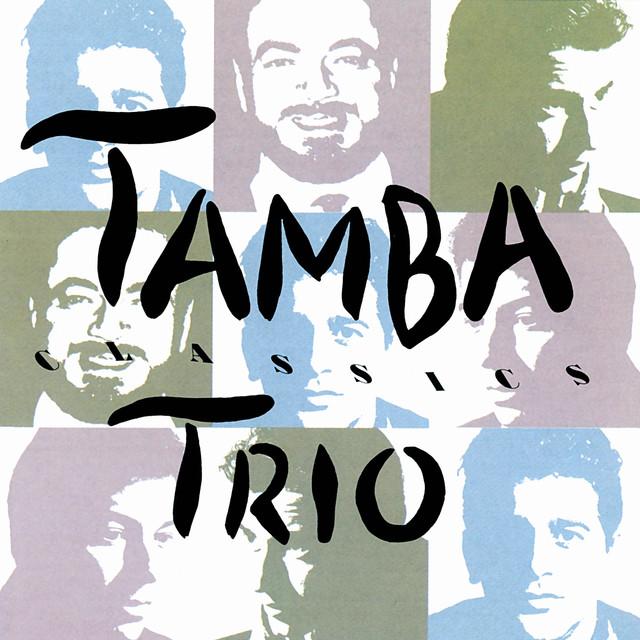
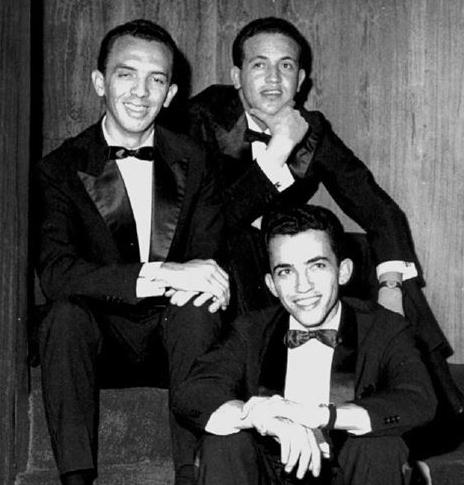
He began to learn classical piano at age five. In his teens, he was already taken by jazz and was a regular at Cantina do César, the bar owned by famous radio host César de Alencar, at which Johnny Alf was breaking new ground and influencing all of the bossa nova generation. Soon, in 1953, Eça was playing at the focal point of the nascent bossa nova, the Plaza nightclub. Winning a Brazilian government scholarship to study classical music, he moved to… Vienna, Austria, in 1958. Returning to Brazil, he joined the group that was backing singer Maysa and toured with them. This group also had pianist Luís Carlos Vinhas and violonista Roberto Menescal and they also backed singer Leny Andrade. In those times, he joined the group of musicians who were the modern proponents of Brazilian music that would become known as the bossa nova movement. Eça was an important inspiration and influence to the movement, due to his extraordinary piano playing and arranging skills. Searching for new venues of expression, the bossa nova people, in bossa's first period of popularization, looked for places such as university auditoriums for shows entitled Festival de Samba Moderno or Samba Sessions, and Eça was always there with his piano. In 1962, he formed the historic Tamba Trio, which is a fundamental piece in the Brazilian music panel. Rejecting the mere backing role of the rhythmic section at those times, the Tamba Trio would inspire countless new trios in search of musical expression and artistry. The Trio usually had three-part vocal harmonies backed with strongly empathic instrumental support. He invited drummer Hélcio Milito, also a singer and percussionist, and bassist Otávio Bailly, soon replaced by Bebeto Castilho, also a flutist/saxophonist/singer, and on March 19, 1962, the Tamba Trio opened with its definitive formation at Bottle's nightclub at the Beco das Garrafas (Rio's 52nd Street). In the same year, they toured through the U.S. and Argentina and followed their extensive international discography and touring schedule. In 1969, returning from a long season in the U.S., Eça joined the group Sagrada Família and went to Mexico. In Brazil, Eça had an extensive career, recording with backing singers, recording and performing with Tamba Trio, or in solo acts. He was active, playing every night at Rio and São Paulo's best nightclubs. Some of his remarkable recordings include O Prestigio de Luis Eça(Philips), Tamba Trio (BMG), Tamba Trio (Philips), We and the Sea (with the trio turned quartet Tamba 4) (A&M), and Nueva Onda do Brasil (with Cláudio Roditi, recorded by a private label in Mexico, 1978). A good compilation available in the U.S. is the double CD Tamba Trio Classics, Polygram. Eça's arranging skills may be best explored in ten-minute cult renditions of such classics as "O Morro não tem Vez" (Tom Jobim/Vinícius de Morais) or "Consolação" (Baden Powell/Vinícius de Morais). He also voyaged through more abstract classical treatment, investigating the group's possibilities on some records, between them Tamba Trio e Cordas and Tamba Trio e Quinteto Villa-Lobos. In this mood, it was performed in 1992 as a series of nationally presented string concerts with his orchestrations. ~ Alvaro Neder, Rovi
Viberate is a music analytics platform built for A&Rs, artist managers, labels, booking agents, marketers, and artists.
It helps music professionals track artist growth, analyze audience data, monitor playlist activity, compare artists, follow song performance, and identify opportunities across the music market.
Public artist pages provide a free preview of selected artist data. Paid plans provide access to deeper analytics, historical data, charts, comparisons, playlist tools, exports, alerts, reports, and additional professional features.
Yes. Public Viberate artist pages provide selected artist analytics and music data for free.
Viberate also offers a 7-day free trial of the full platform. A credit card is required to start the trial. The trial includes access to the complete product so users can test deeper artist analytics, historical views, playlist insights, comparisons, charts, exports, alerts, and reporting features before choosing a paid plan.
Viberate provides artist analytics across streaming, playlists, social media, video, radio airplay, songs, and audience markets.
Users can analyze Spotify performance, Spotify and Apple Music playlists, YouTube activity, TikTok and Instagram growth, radio spins, song performance, audience locations, demographics, rankings, and overall artist momentum.
Artist profiles also connect to music charts, similar artists, and comparison tools, helping users benchmark performance and evaluate artists in context.
Viberate updates key artist and track data daily.
For followed artists and tracks, selected data is refreshed multiple times per day. This helps teams monitor playlist changes, streaming movement, audience growth, releases, and campaign performance with more current data.
Update frequency can vary depending on the metric and data source.
Yes. Viberate lets users compare up to five artists side by side across streaming, social media, audience, and engagement metrics.
Users can compare fanbase growth, audience demographics, locations, Spotify performance, social metrics, and other artist data over selected time periods.
Artist comparison can be used for A&R scouting, benchmarking, booking decisions, campaign planning, and evaluating artists with similar audiences or market positions.