Sylvia

Country
Contemporary Country
 Viberate Rank: 67955
 Viberate Rank: 67955
 Monthly ListenersFollowers
 Subscribers
 Followers
 Followers
 FansTop Spotify Songs
| Track | 7-Day Streams | |
|---|---|---|
1 | 160.51K | |
2 | 42.84K | |
3 | 10.25K | |
4 | 1.28K | |
5 | 1.28K |
Top YouTube Videos| Video | 7-Day Views | |
|---|---|---|
1 | 1.33K | |
2 | 1.11K | |
3 | 690 | |
4 | 668 | |
5 | 507 |
Monthly ListenersFeatured in Playlists| Playlist | Followers | |
|---|---|---|
1 |  80s Country Spotify | 756.00K |
2 |  Legendary Women of Country Spotify | 309.56K |
3 |  70s R&B/Soul - The Golden Era Raul Gabriel - Music | 159.85K |
4 |  80's Country (Top 100) aly.matthews16 | 75.12K |
5 |  Mellow '70s Gold Variable One | 22.72K |
Audience| City | Monthly Listeners | |
|---|---|---|
1 | | 2.42K |
2 | | 2.02K |
3 | | 1.83K |
4 | | 1.55K |
5 | | 1.43K |
See full performance history, audience data, playlist activity, rankings, comparisons, and more in Viberate music analytics. Start with a free trial, then continue with a paid plan.
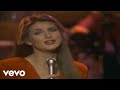
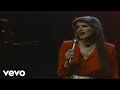
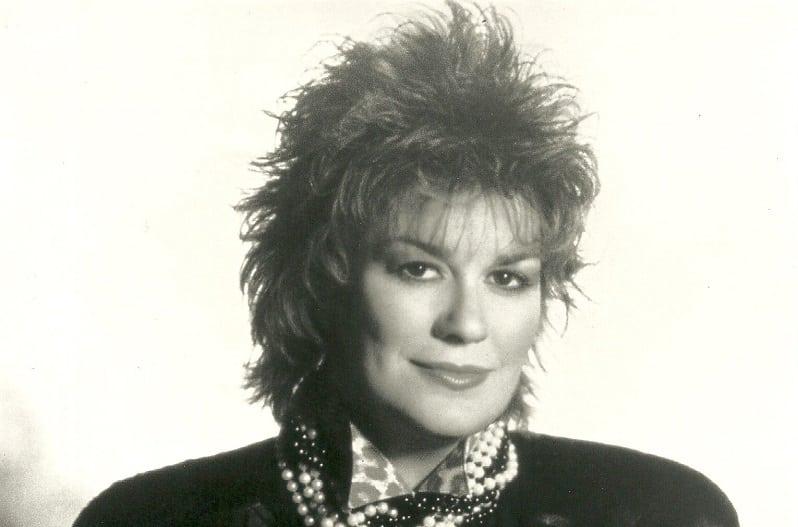
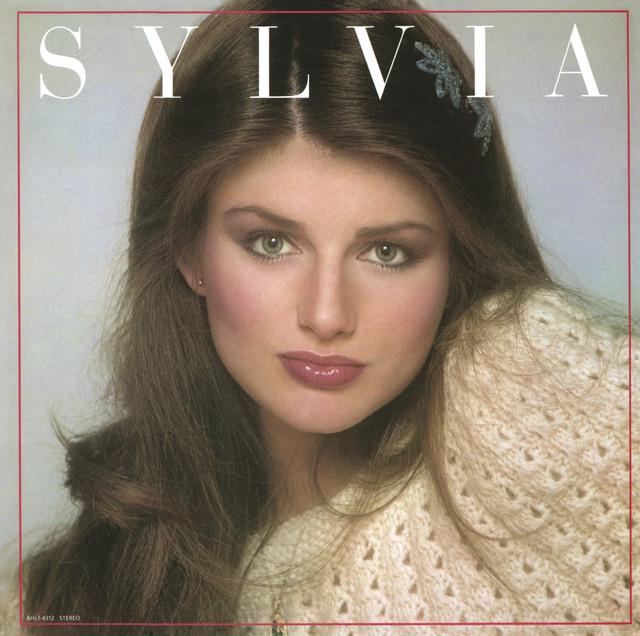
Sylvia’s Spotify BioGrowing up in Kokomo, IN, Sylvia moved to Nashville around Christmas of 1975 with a definite game plan: get a job as a secretary, get to know influential people in town, and build a career as a recording artist. The plan worked. She picked up a job as the receptionist for Pi-Gem Music, headed by record producer Tom Collins. She started singing on demo sessions, and Collins helped her secure a recording contract with RCA.
Since she'd never performed live before, Sylvia ended up learning to do concerts at the same time she was making hit records. With an engaging voice, a bubbly personality, and a beautiful appearance, Sylvia was practically a marketing dream, and Collins built her sound around catchy melodies and strong backbeats. Songs like "Drifter" (number one, 1981), "The Matador" (1981), "Nobody" (number one, 1982), and "Like Nothing Ever Happened" (1982) became big hits; "Nobody" even crossed over into the pop Top 40. The material was often lyrically shallow, however, and Sylvia… grew increasingly frustrated. She left Collins and recorded a pair of albums with record producer Brent Maher. The second was never released. Sylvia, instead, was dropped by RCA in 1987.
She used the opportunity for personal growth (she toured almost constantly during the height of her career and was emotionally drained) and to develop as a songwriter. In 1992, she re-emerged as a touring artist and pursued a recording deal with self-penned material that was inner-directed and uplifting. ~ Tom Roland, Rovi
Viberate is a music analytics platform built for A&Rs, artist managers, labels, booking agents, marketers, and artists.
It helps music professionals track artist growth, analyze audience data, monitor playlist activity, compare artists, follow song performance, and identify opportunities across the music market.
Public artist pages provide a free preview of selected artist data. Paid plans provide access to deeper analytics, historical data, charts, comparisons, playlist tools, exports, alerts, reports, and additional professional features.
Yes. Public Viberate artist pages provide selected artist analytics and music data for free.
Viberate also offers a 7-day free trial of the full platform. A credit card is required to start the trial. The trial includes access to the complete product so users can test deeper artist analytics, historical views, playlist insights, comparisons, charts, exports, alerts, and reporting features before choosing a paid plan.
Viberate provides artist analytics across streaming, playlists, social media, video, radio airplay, songs, and audience markets.
Users can analyze Spotify performance, Spotify and Apple Music playlists, YouTube activity, TikTok and Instagram growth, radio spins, song performance, audience locations, demographics, rankings, and overall artist momentum.
Artist profiles also connect to music charts, similar artists, and comparison tools, helping users benchmark performance and evaluate artists in context.
Viberate updates key artist and track data daily.
For followed artists and tracks, selected data is refreshed multiple times per day. This helps teams monitor playlist changes, streaming movement, audience growth, releases, and campaign performance with more current data.
Update frequency can vary depending on the metric and data source.
Yes. Viberate lets users compare up to five artists side by side across streaming, social media, audience, and engagement metrics.
Users can compare fanbase growth, audience demographics, locations, Spotify performance, social metrics, and other artist data over selected time periods.
Artist comparison can be used for A&R scouting, benchmarking, booking decisions, campaign planning, and evaluating artists with similar audiences or market positions.